Search this Site

Close

FGI 2026: Updates from the Healthcare Design Conference and What It Means for Your Projects

By Pat Steffen, RA

December 17, 2025

Last fall, we shared an overview of the proposed updates coming in the 2026 edition of the Facility Guidelines Institute (FGI) Guidelines.

Since then, the Health Guidelines Revision Committee has continued refining the documents and at the 2025 Healthcare Design Conference (HCD), we were able to see a much clearer picture of what’s ahead.

Now that the near-final language is taking shape, there’s a lot more certainty around what designers, facility leaders, and healthcare systems should expect. Many of the initial concepts are now confirmed, while several new shifts represent meaningful changes in how we plan and design care environments.

Here are the most important updates we heard at HCD and why they matter.

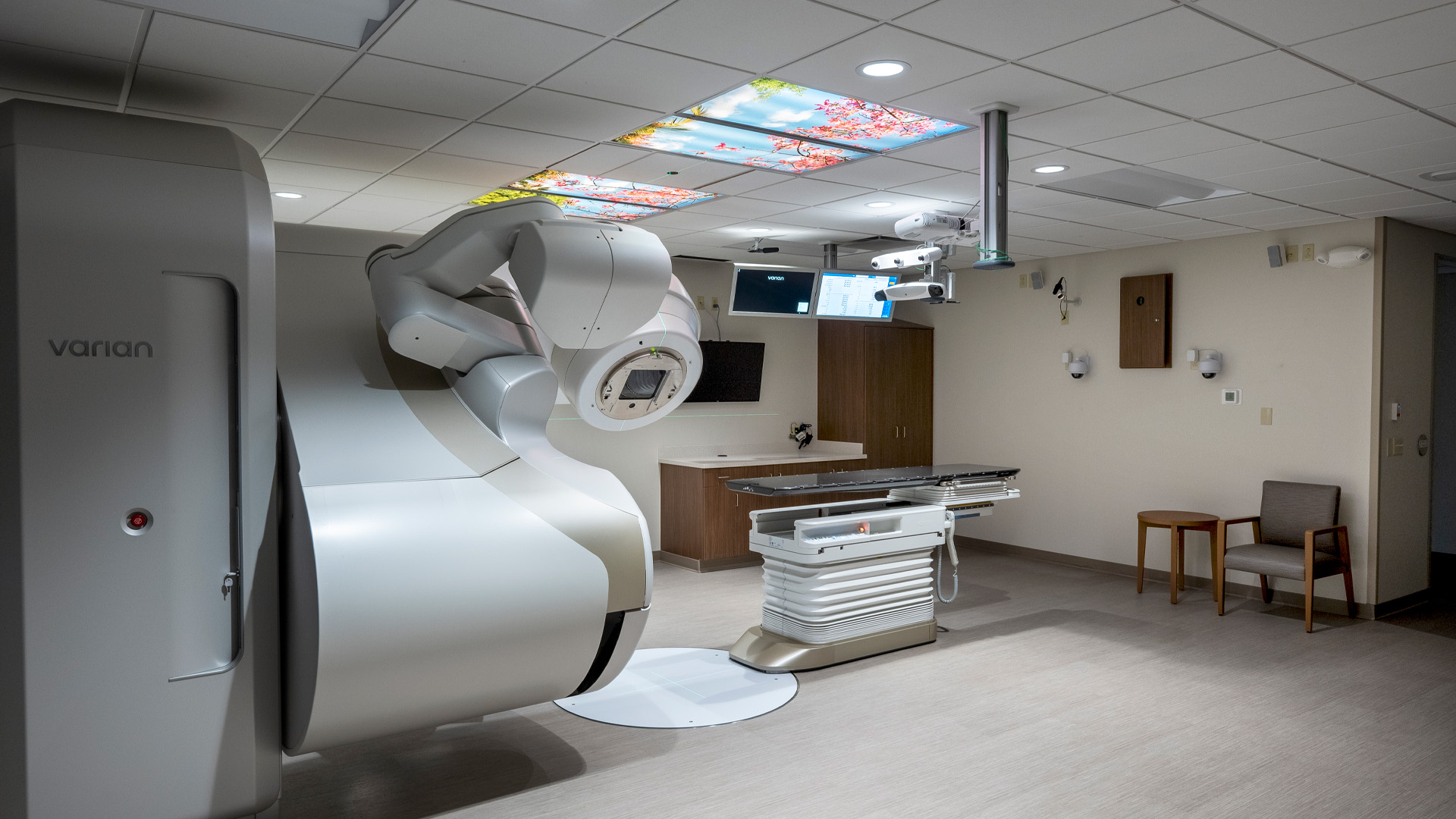
Radiation oncology clinic linear accelerator room.

A Major Structural Change: FGI Is Splitting Into Two Documents

Perhaps the biggest shift is philosophical. FGI is dividing its content into two distinct publications:

  • FGI Codes – Minimum, enforceable requirements
  • FGI Handbooks – Commentary, rationale, design guidance, and tools

This distinction is important.

For years, many Authorities Having Jurisdiction (AHJs) and project teams treated the appendix commentary as if it were enforceable code. The 2026 split finally resolves that tension, creating clarity around what must be done versus what is recommended.

For owners and clinical leaders, this means greater transparency. The code now gives you a clear picture of the minimum baseline, while the handbook offers the reasoning and optional pathways to elevate care, flexibility, or operational efficiency.

Clinical Risk Assessment Will Guide Room Classification

The 2026 code now explicitly states that the number and types of clinical rooms must be determined by the owner and clinical team, based on clinical need. A major part of the update is the introduction of a Clinical Risk Assessment (CRA) tool, essentially a parallel to the familiar Infection Control Risk Assessment (ICRA), but focused on determining whether a space should be classified as an exam room, procedure room, or operating room.

Instead of relying on procedural definitions or prescriptive lists, the CRA incorporates:

  • Procedure intensity
  • Equipment needs
  • Patient vulnerability
  • Time and staffing demands
  • Wound classification
  • Health and safety considerations

This approach gives clinical teams a stronger voice in defining room types based on the actual care being delivered, not just on traditional room labels.

The CRA will empower organizations to right-size their spaces, justify decisions to AHJs, and create clearer alignment between clinical operations and built environment planning.

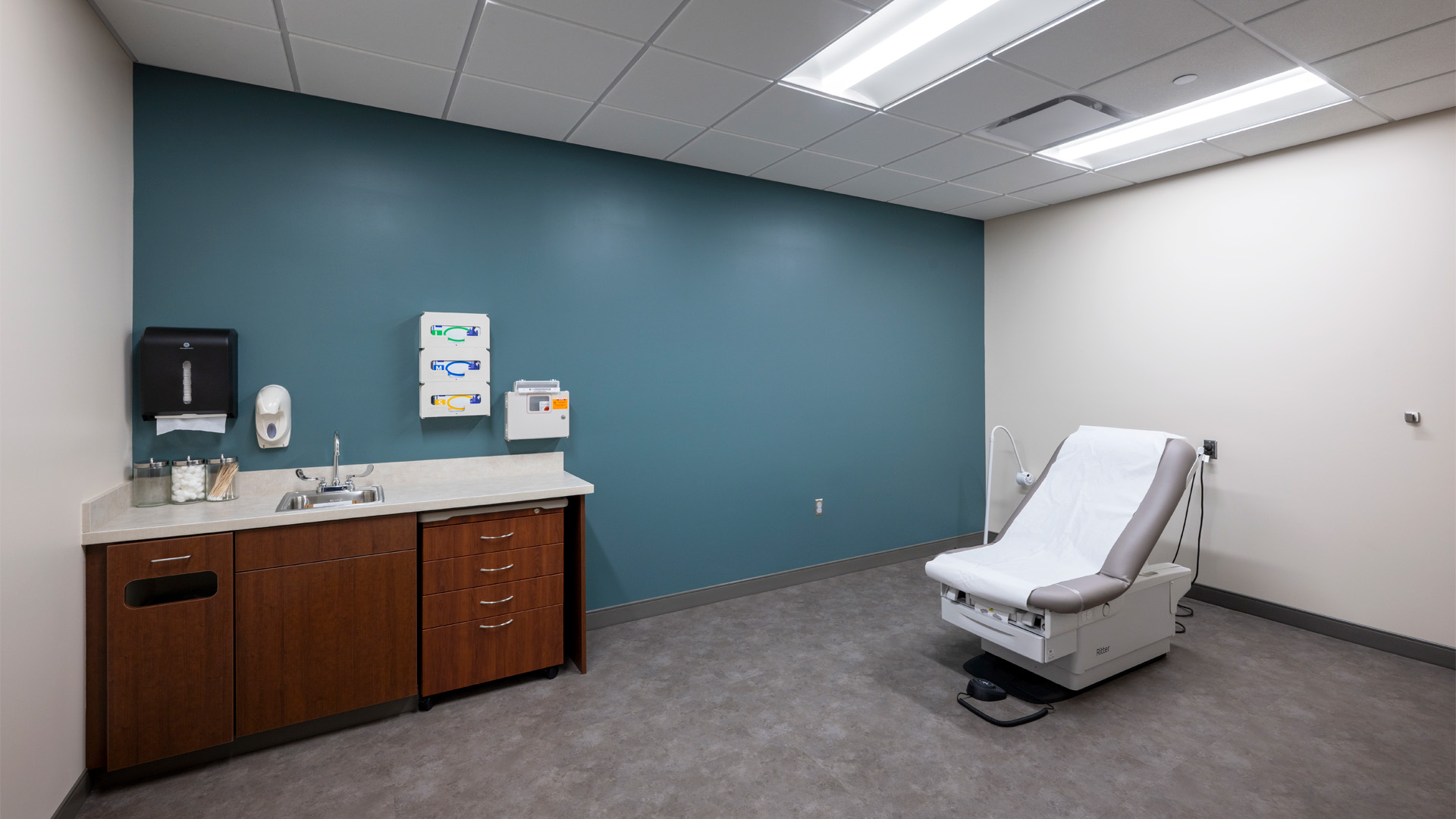
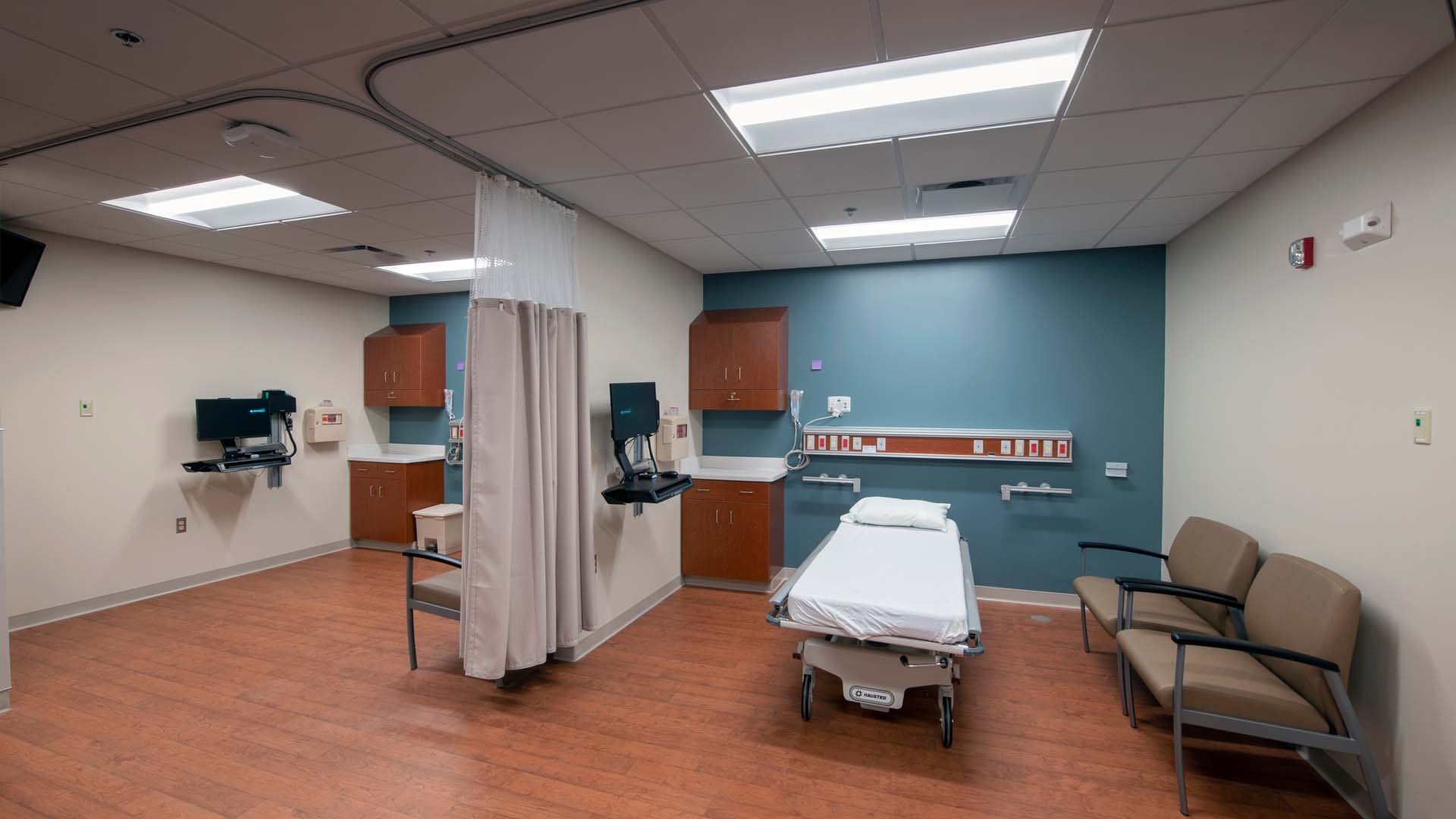
PPG Parkview Huntertown Clinic patient rooms with wood counters and blue walls. St. Rita's Medical Center Surgery Center - Patient Room 2

What Healthcare Leaders Should Start Doing Now

Even though most states take time to adopt new FGI editions, it’s smart for health systems, medical groups, and facility leaders to begin preparing now. Here’s what we recommend:

1. Engage clinical stakeholders early

Ensure your managers, nursing leads, service line directors, and medical directors understand how the CRA process will shape room requirements.

2. Strengthen your functional programming discussions

When planning a renovation or new facility, be ready to articulate:

  • Care models
  • Procedure types
  • Room turnover expectations
  • Patient/staff workflows

These factors now directly influence compliance.

3. Talk early with your AHJ

The new split between code and handbook may change interpretation patterns. Understanding what your jurisdiction will enforce can save time and avoid redesign.

Final Thought

As healthcare continues to evolve, the built environment must evolve with it. The upcoming FGI changes encourage more thoughtful collaboration, better alignment with clinical reality, and design solutions that truly support patients, caregivers, and facility operations.

We’ll continue sharing updates as the final publication approaches. In the meantime, if your organization is planning or designing a healthcare facility, the best time to start preparing for the 2026 changes is now.

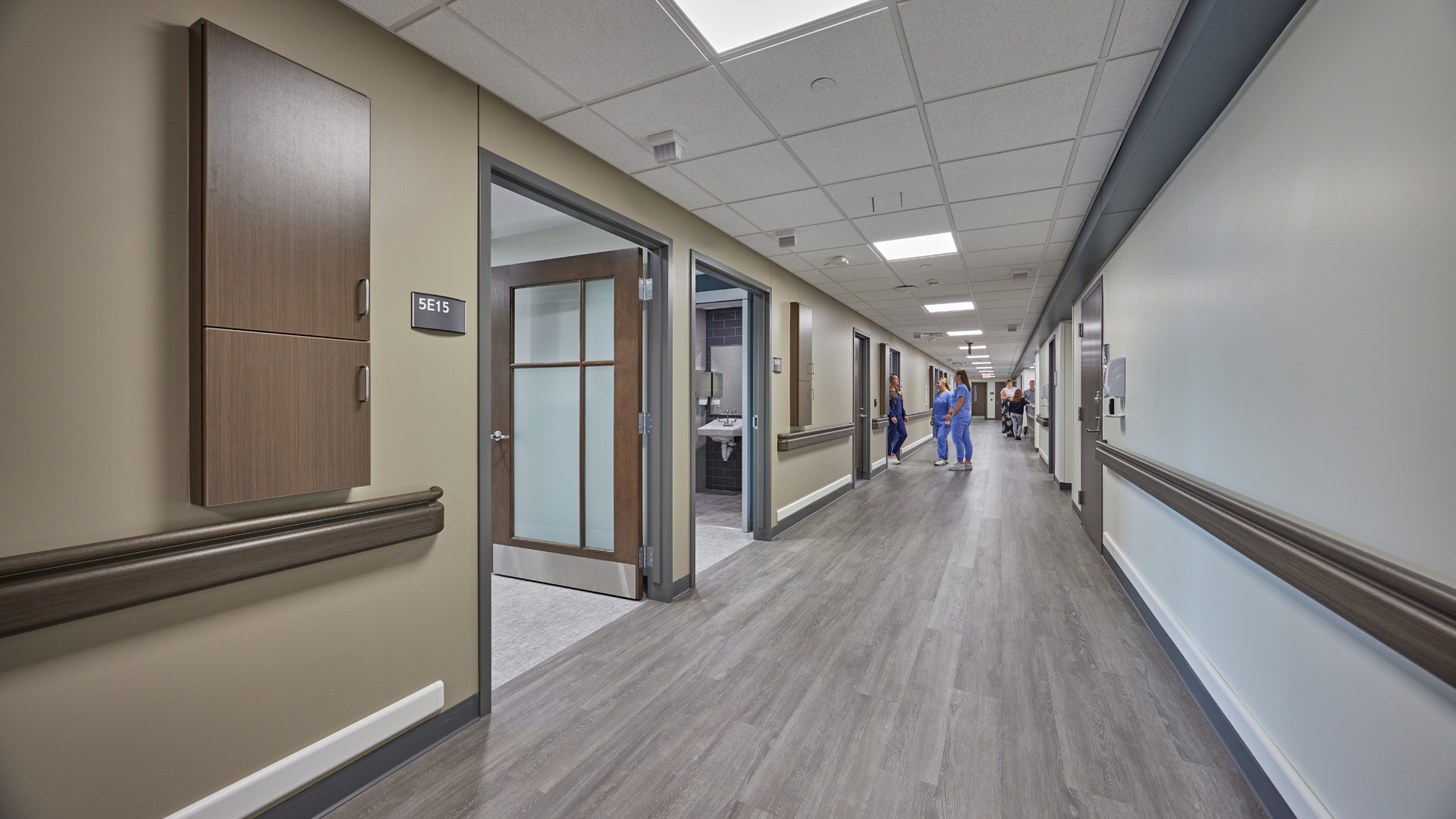
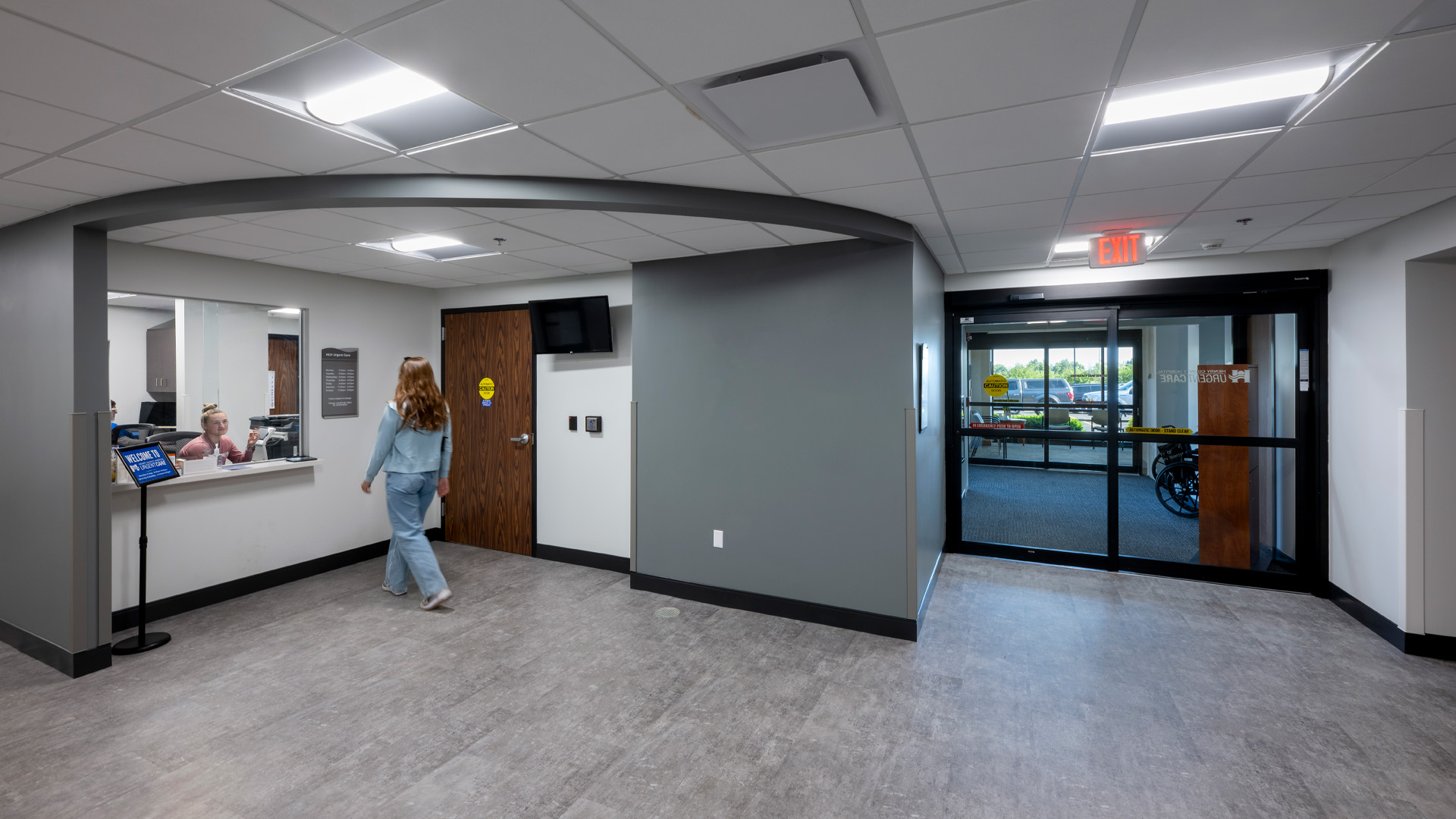
Urgent care lobby.
Urgent care lobby.

Our team is helping clients navigate the FGI changes early, so there are fewer surprises and more clarity as projects move forward. Reach out to see how we can help you design a more resilient, future-ready care environment.

Copyright ©2025 Design Collaborative