Search this Site

Close

Healthcare renovations are complex by nature.

They involve aging infrastructure, active patient care environments and regulatory oversight—all at the same time. Projects that perform well rarely do so because construction is easy. They perform well because the groundwork was thorough.

Success in renovation is largely determined before construction documents are complete. Seven principles consistently separate stable projects from reactive ones.

1. Define the Real Problem Before Defining the Solution

Renovations often begin with a stated need: more space, better flow, updated finishes. But the stated need and the actual operational issue are not always the same.

Careful workflow analysis—tracking patient movement, staff circulation, equipment staging, and material flow—often reveals whether the constraint is square footage or process. In some cases, expansion is necessary. In others, targeted reconfiguration or operational adjustments provide greater impact.

Establishing this clarity early prevents oversizing a solution—or underbuilding one.

2. Align Leadership and User Groups Early in the Process

Leadership establishes strategic goals, financial boundaries, and institutional priorities. User groups understand daily operations and workflow friction. Both perspectives are necessary.

When user input is delayed until later design phases, revisions often occur, sometimes increasing cost and almost always extending schedules.

A more stable process allows leadership to define parameters first, followed by structured engagement with user groups early enough to validate assumptions before design progresses too far.

3. Separate Feasibility from Full Design

Budget challenges frequently stem from premature cost commitments. When financial expectations are set before scope and infrastructure conditions are understood, projects become constrained by incomplete information.

A phased planning approach mitigates this risk by involving architects, engineers, and cost estimators early. With an initial feasibility study, the design team can gather appropriate information, test fit the needs, evaluate workflow and infrastructure, and create a schematic cost estimate based on current market trends and knowledge.

Once the feasibility study is complete, healthcare teams can move confidently forward into a full design effort.

This sequence allows decision-makers to approve projects based on informed data rather than preliminary assumptions.

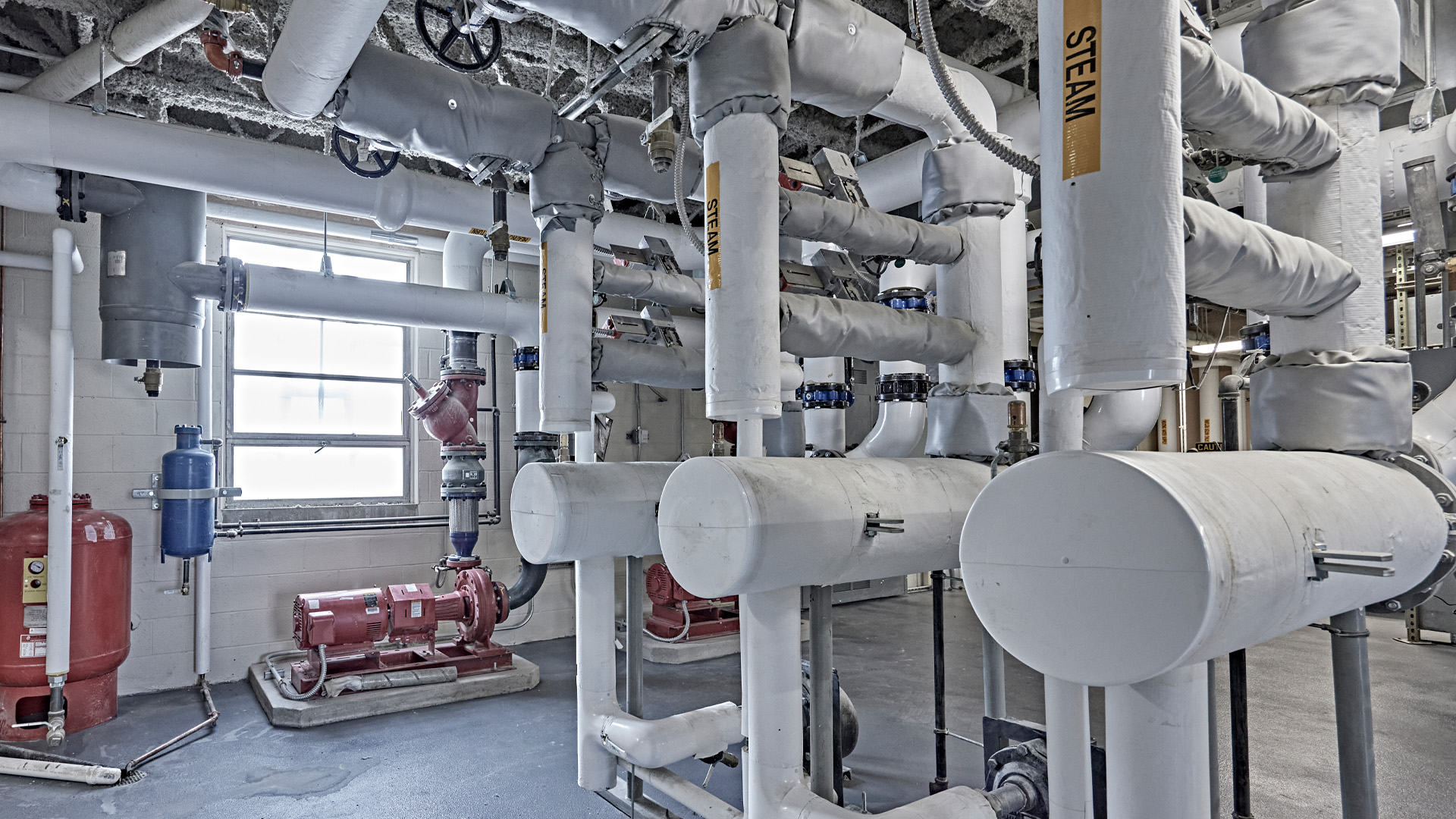
In healthcare environments, infrastructure—mechanical systems, electrical capacity, medical gases, IT—often drives cost more significantly than visible architectural elements. Evaluating these systems early stabilizes financial planning.

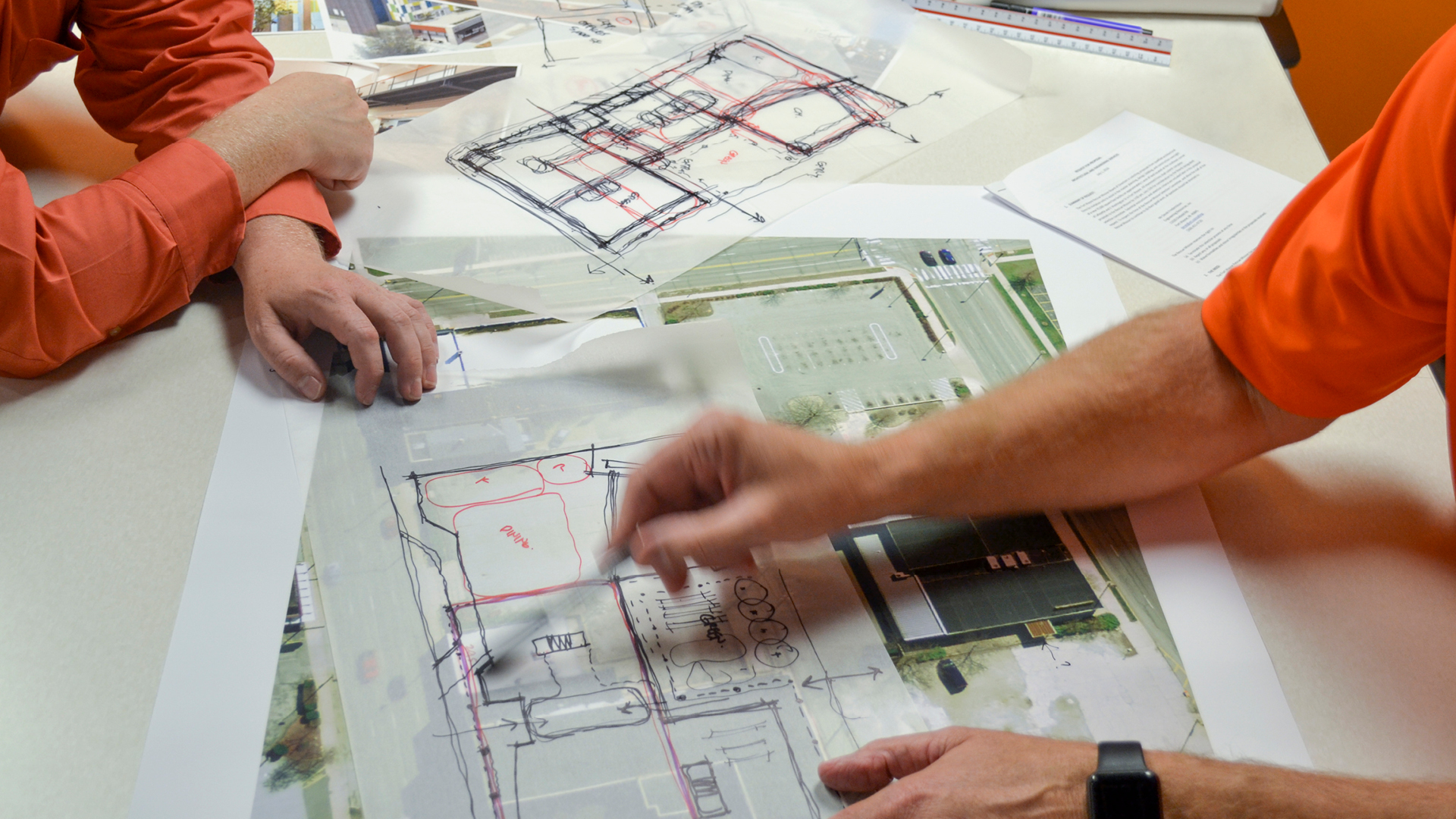
Two People Sitting at Booth Master Planning layout

4. Conduct Thorough Existing Condition Assessments

Many healthcare facilities have experienced decades of modifications. In an ideal world, health systems will maintain a record of all of the renovations that have occurred to better inform the next one. Having a systematic approach to documentation and drawing storage is incredibly helpful in planning future work, especially when systems above ceilings and within walls may be nearing end-of-life or may not comply with current codes.

A proactive facility assessment identifies:

  • Infrastructure lifecycle status
  • Code compliance concerns
  • Structural limitations
  • Deferred maintenance liabilities

These findings can materially influence renovation strategy. In some cases, the cost of upgrading legacy systems outweighs the benefit of renovating certain spaces, prompting reconsideration of scope or approach.

5. Make Phasing a Core Design Consideration

Healthcare facilities rarely have the option to suspend operations during renovation. Surgical suites, laboratories, emergency departments, and inpatient units must remain functional.

Phasing strategy therefore becomes central—not secondary—to design.

Airflow control, infection prevention measures, egress continuity, and life safety compliance must be maintained throughout construction. Early coordination with construction managers or contractors improves phasing realism and helps ensure building systems remain operational during transitions.

Phasing plans may evolve as field conditions are discovered, but addressing them early reduces disruption and change orders.

6. Engage Regulatory Expertise Early

Healthcare renovations often trigger life safety, occupancy, and code compliance considerations that vary by jurisdiction. Interpretations from Authorities Having Jurisdiction (AHJs) can differ significantly.

Engaging regulatory consultants or initiating early discussions during study or schematic phases allows teams to confirm code strategies before documentation advances. Although not all jurisdictions accommodate early consultation, pursuing clarity early reduces the likelihood of redesign during review or after construction begins.

7. Plan Around Staff Productivity

Construction impacts operations beyond the physical footprint of renovation.

Temporary walls, modified circulation paths, and staging areas can unintentionally disrupt patient transport routes or staff workflows. Without understanding how clinicians and support staff move through a department, construction sequencing can introduce inefficiencies.

Collaborative phasing discussions that include clinical staff, designers, and construction teams allow operational realities to inform construction logistics.

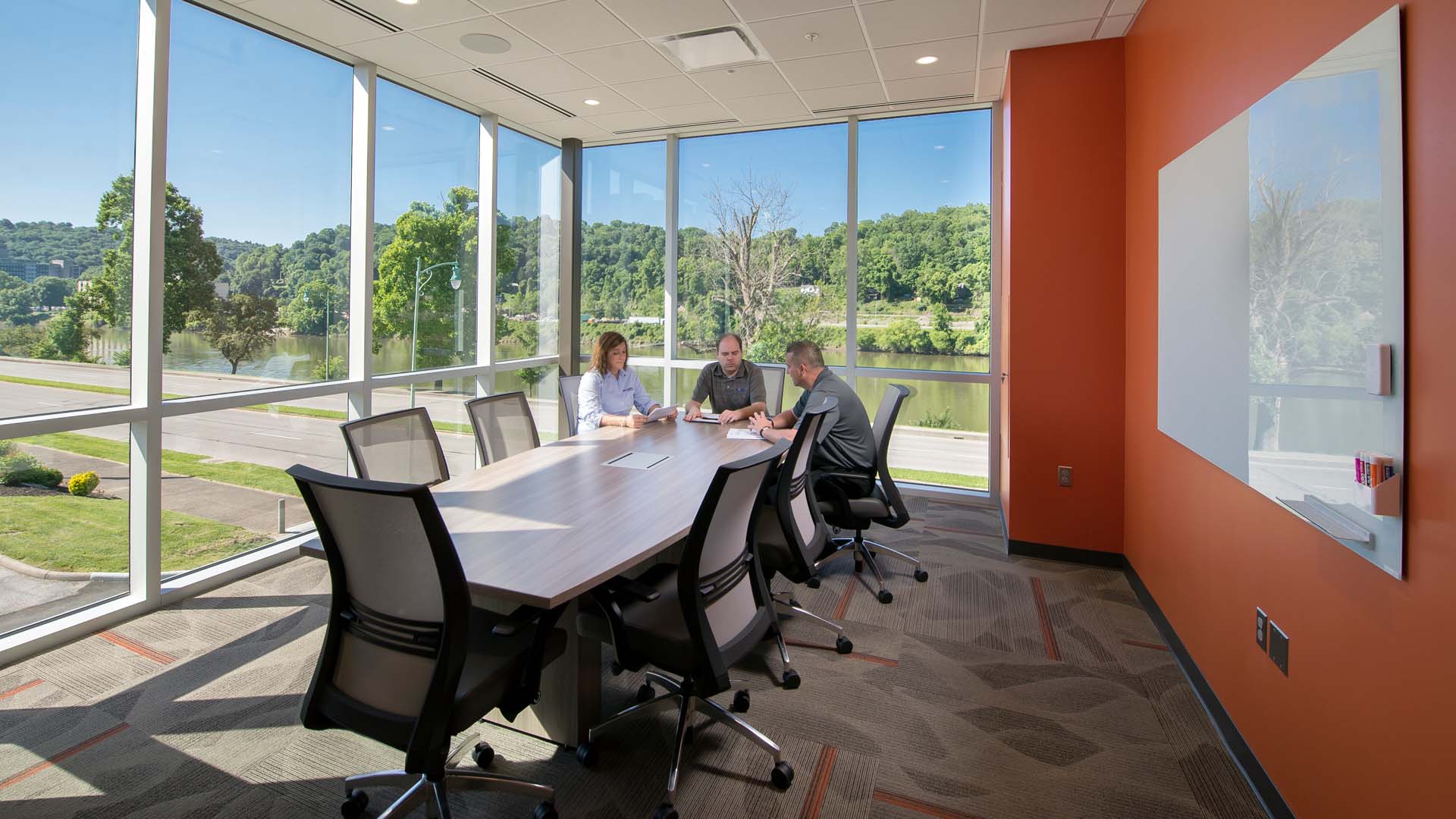
PioneerWV Federal Credit Union Headquarters Conference Room Nurses review a clipboard and work on a computer in nurses station at Parkview Physicians Group Scott Road Clinic.

Renovation Success Is Determined Before Construction

Healthcare renovation projects are inherently complex, but they are not inherently unstable. Stability emerges from disciplined planning.

When these seven elements are in place, construction becomes the execution of a well-tested plan rather than continuous adjustment.

If your organization is evaluating a renovation, our team can help assess existing conditions, test workflow assumptions, and validate infrastructure capacity before major commitments are made. Contact us to start a conversation.

Copyright ©2026 Design Collaborative