How Color Influences Learning, Focus, and Collaboration in Educational Spaces
By Nathan Woods, AIA, NCARB
February 3, 2026Post Tagged in
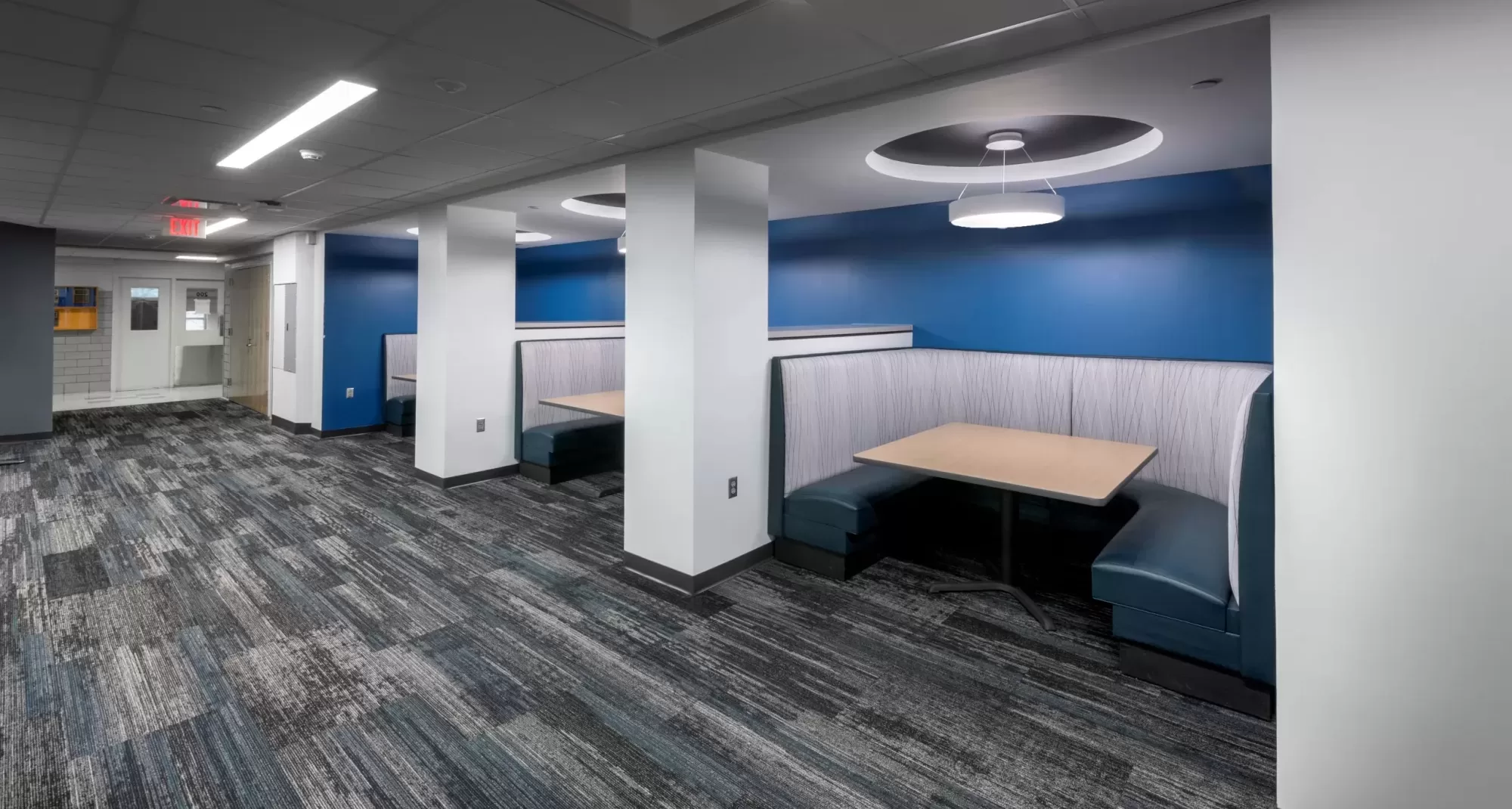
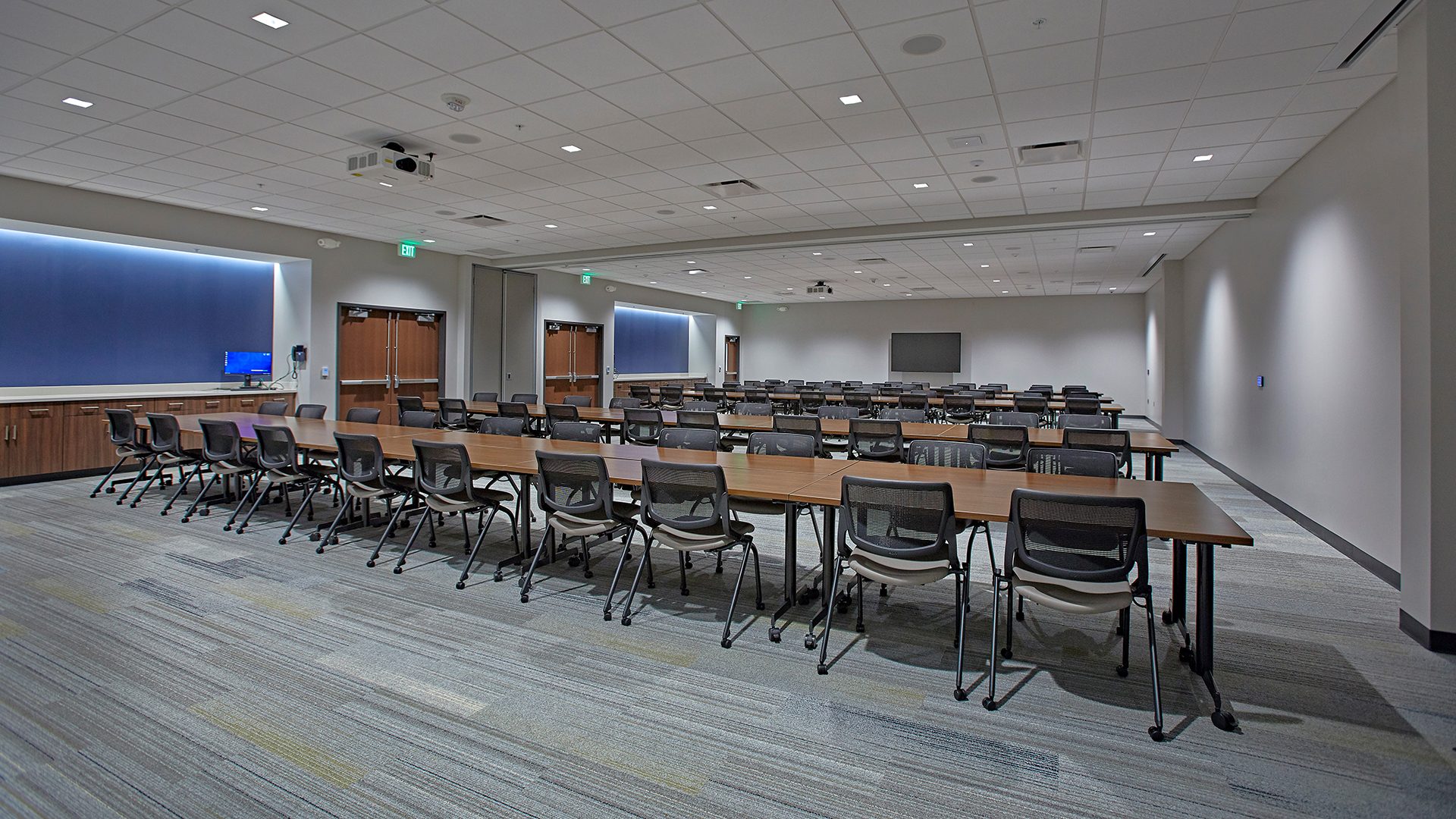
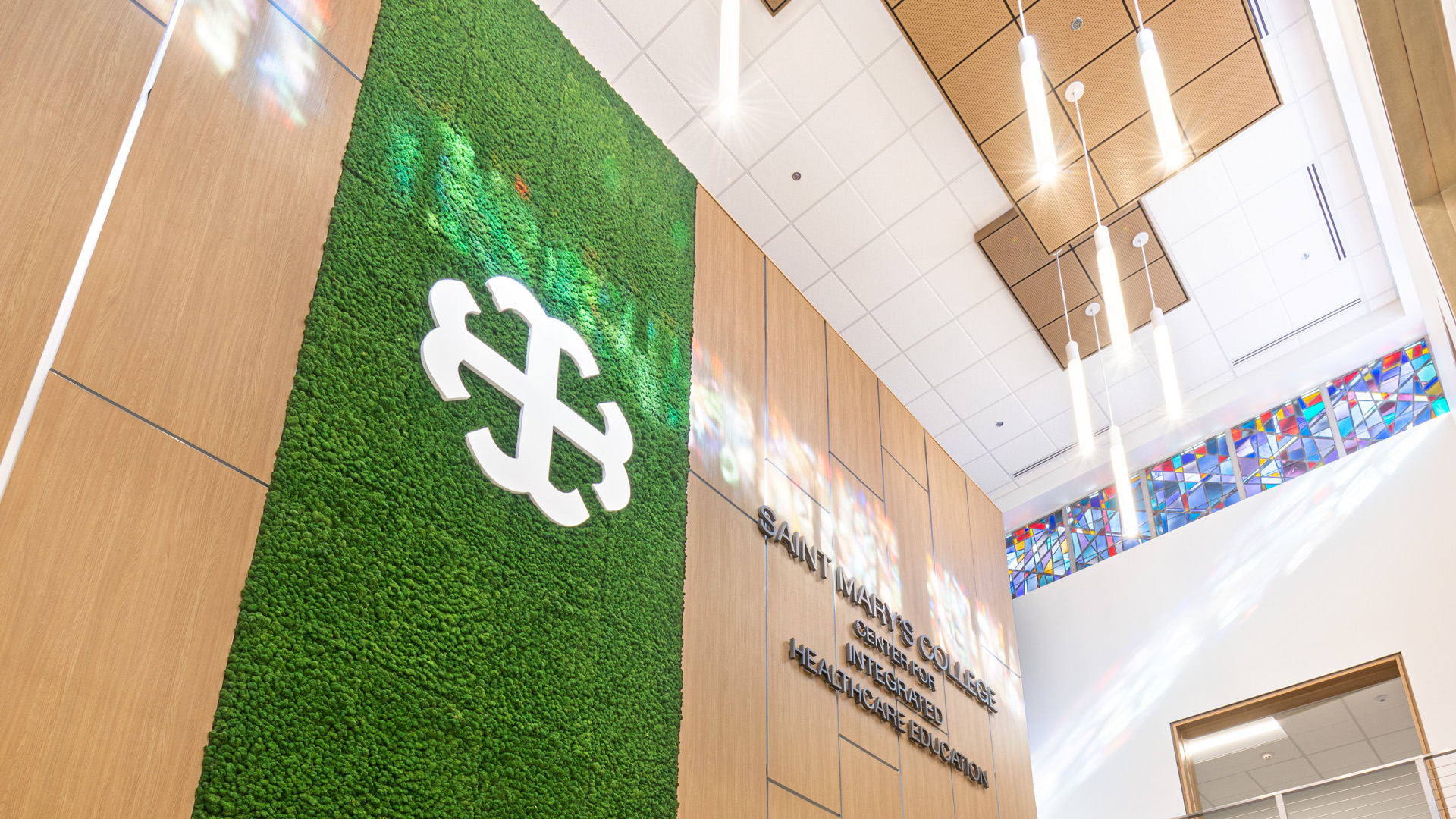
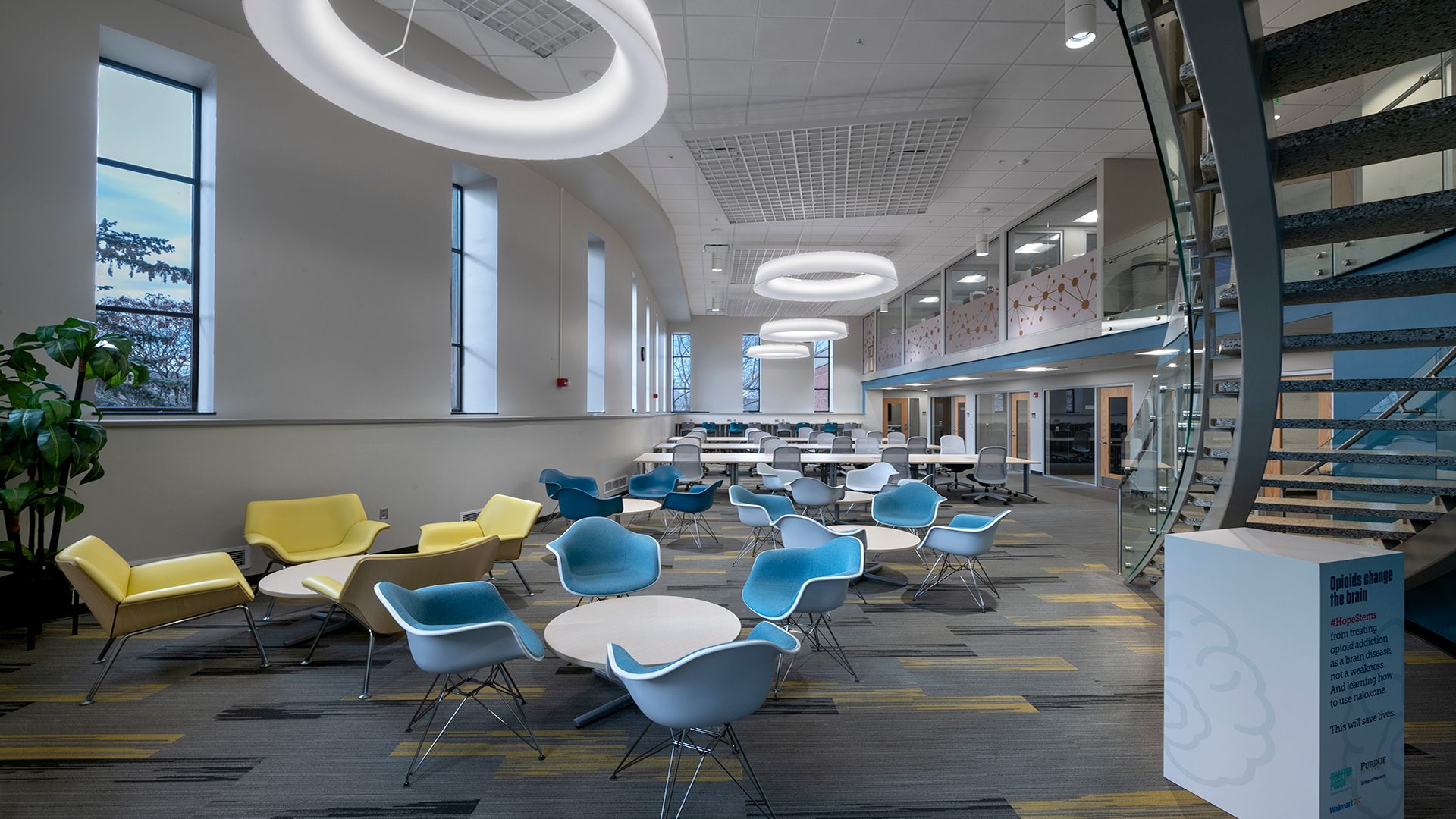
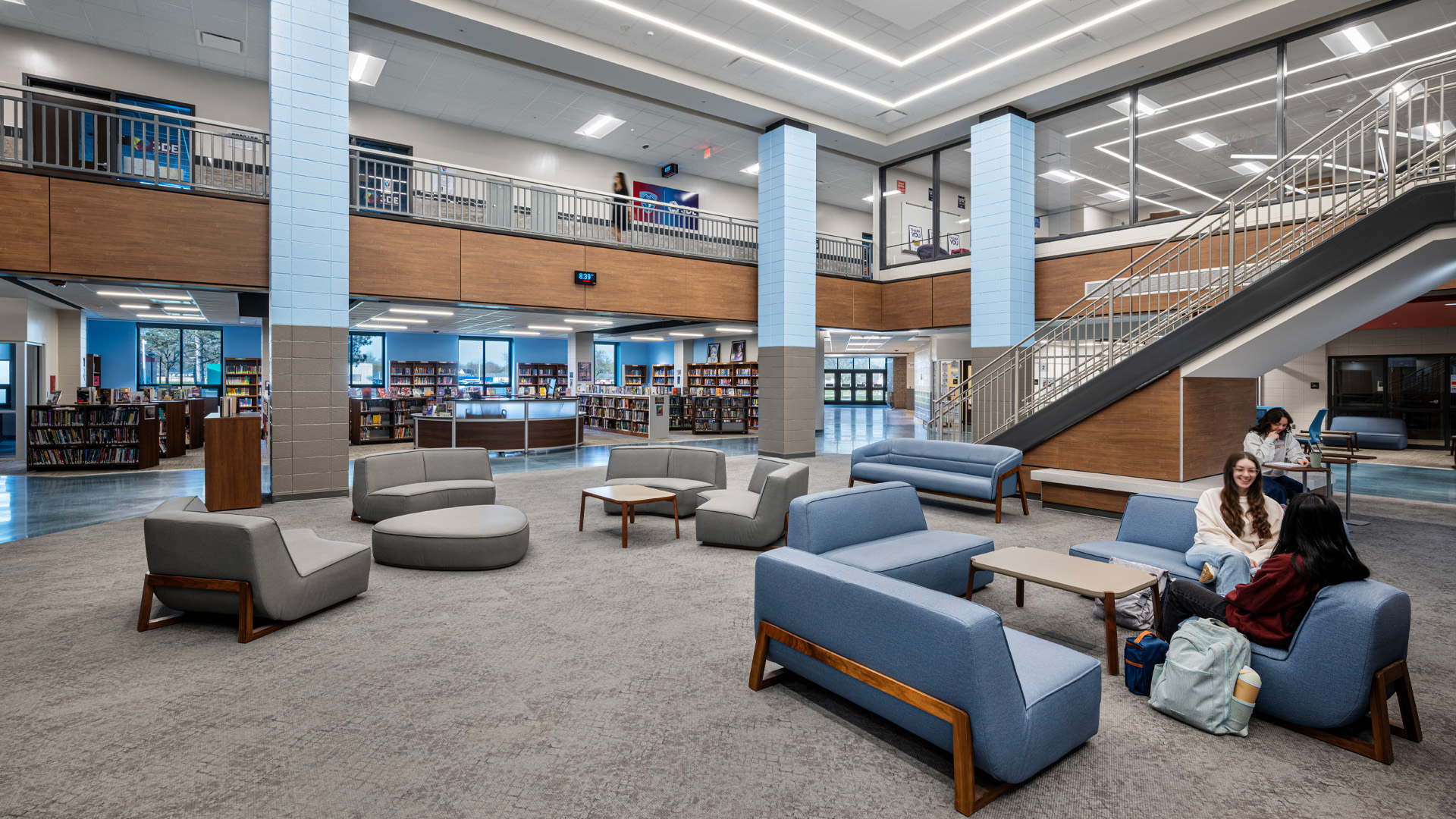
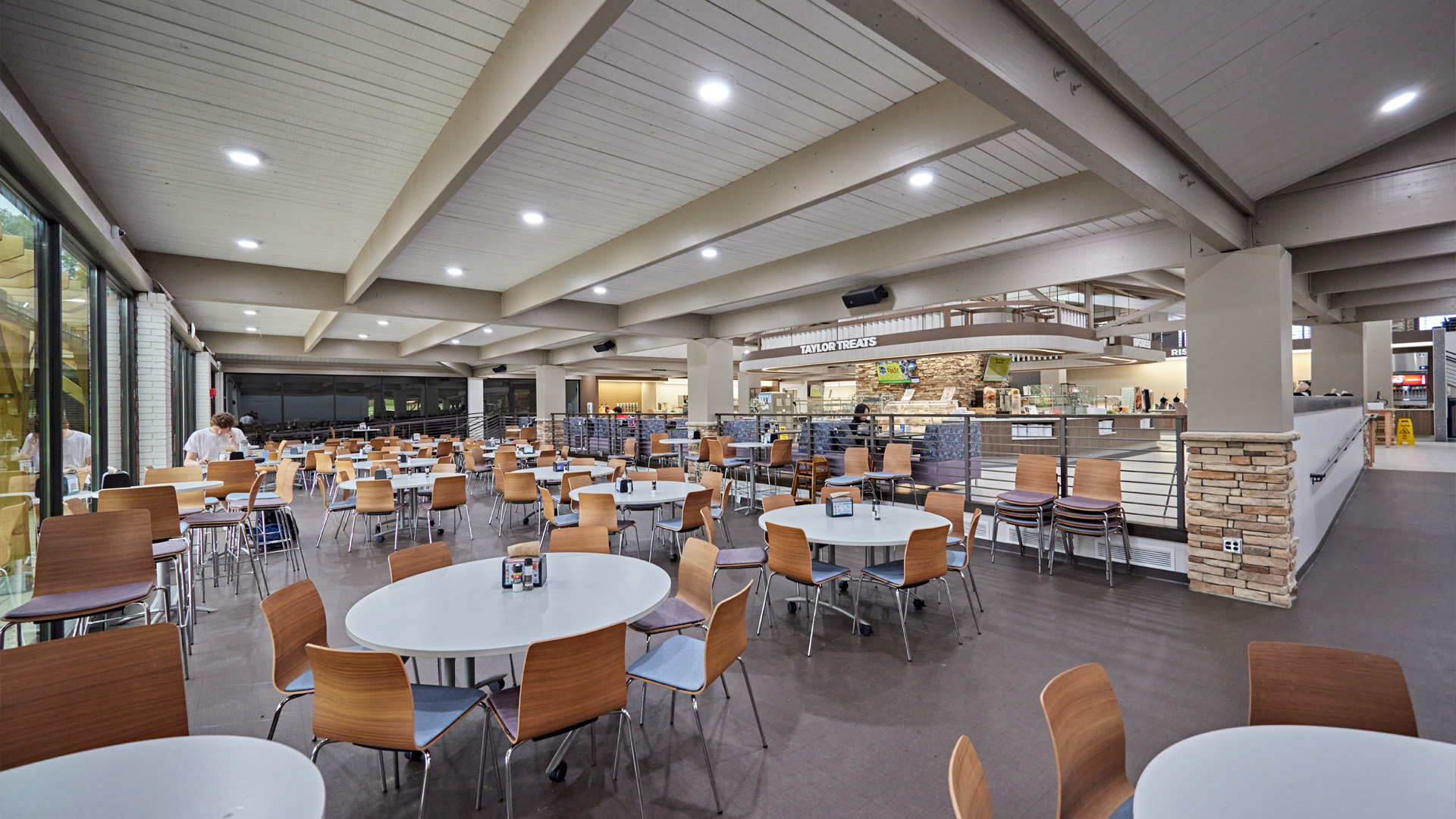
In education design, we spend a lot of time wrestling with complex problems—enrollment uncertainty, aging facilities, tight budgets, mental health, student belonging, academic performance. These challenges are real, interconnected, and rarely solved with a single move.But here’s the truth we see again and again: Sometimes meaningful change comes from simple, intentional decisions—ones that are affordable, scalable, and surprisingly powerful. One of the most overlooked? Color. A thoughtful color strategy can influence how students feel, how long they focus, how they collaborate, and how they move through space. It’s not flashy. It doesn’t require a ribbon cutting. But the impact is real—and well supported by research. |
|
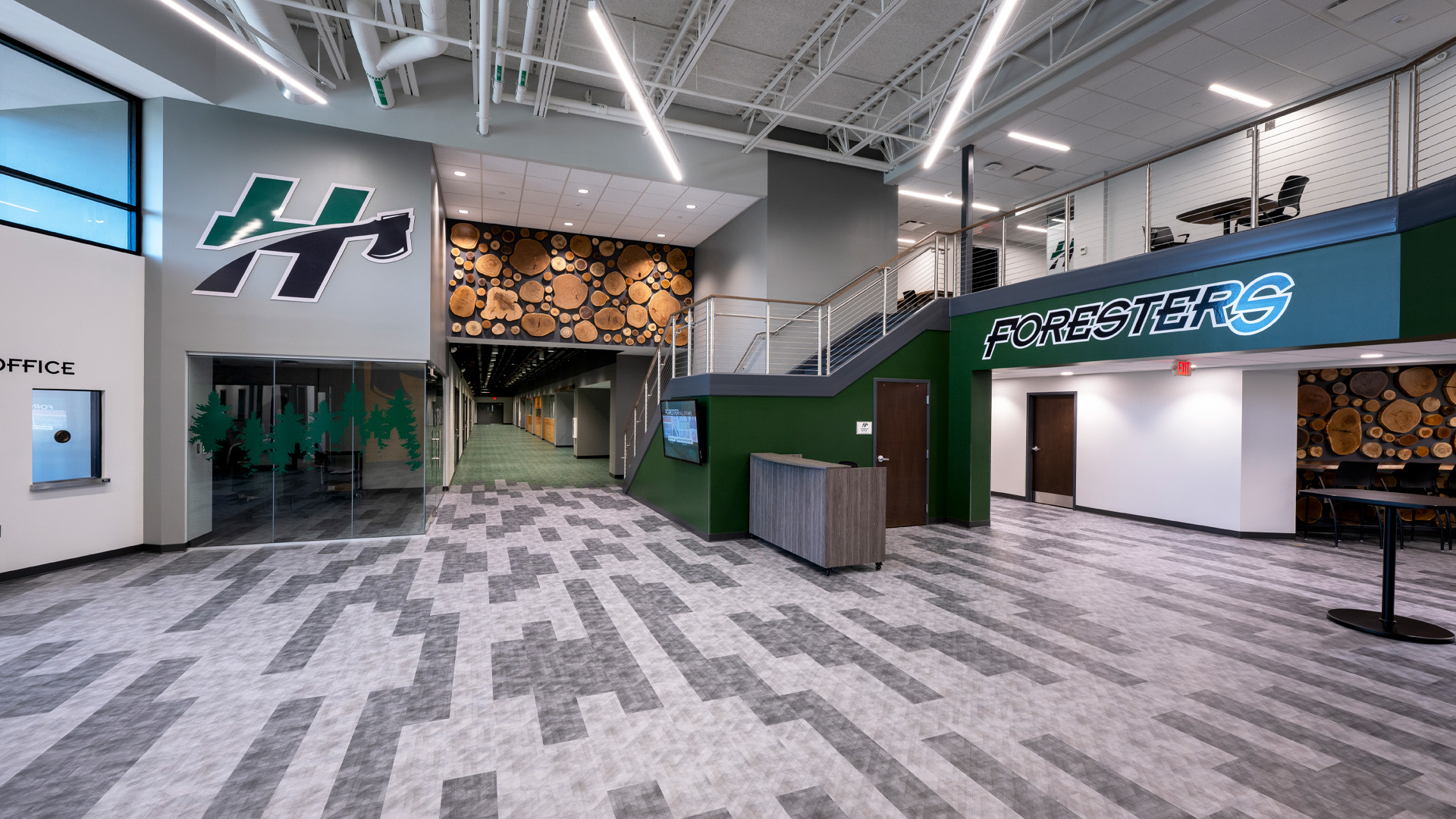 |
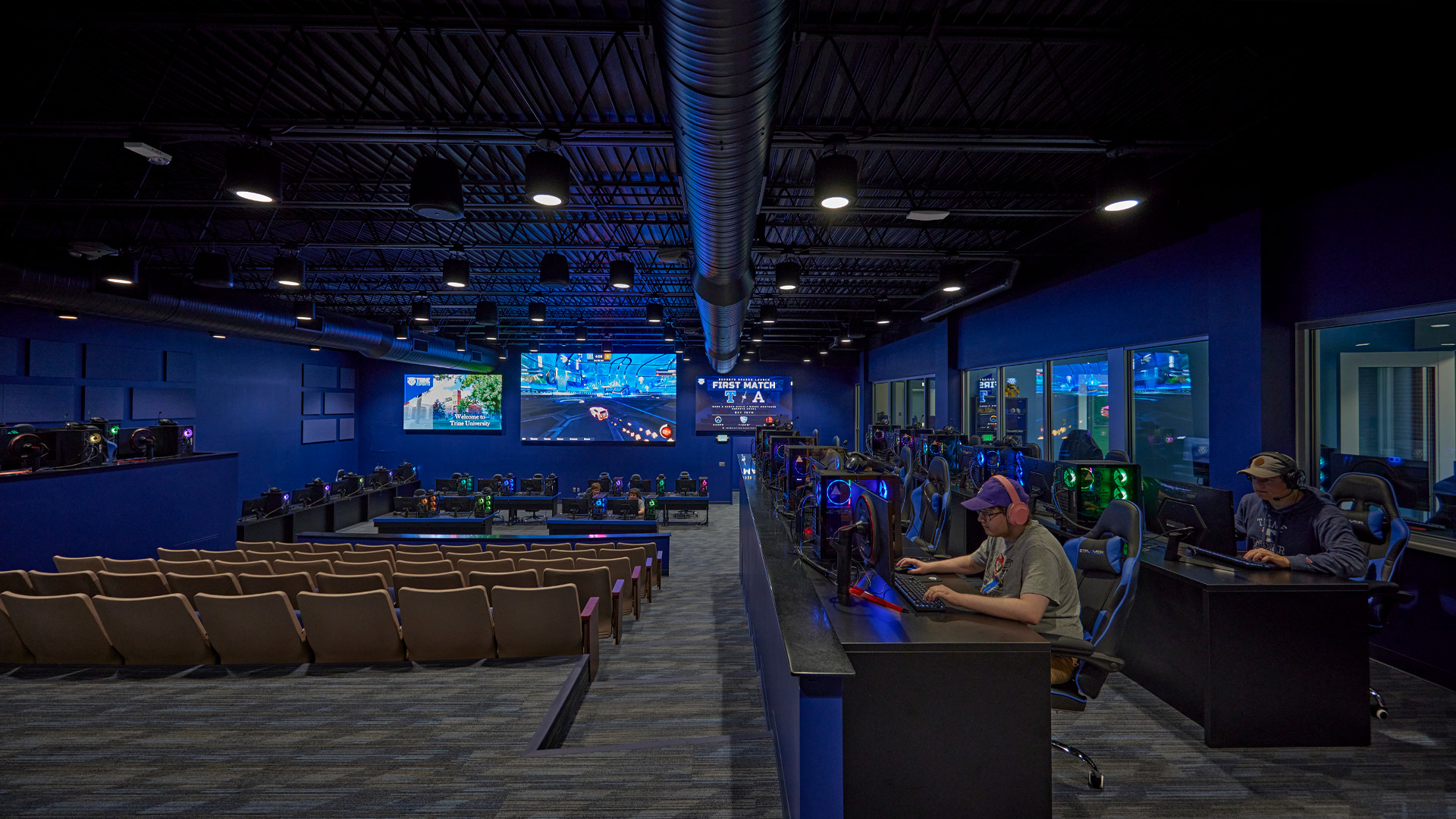
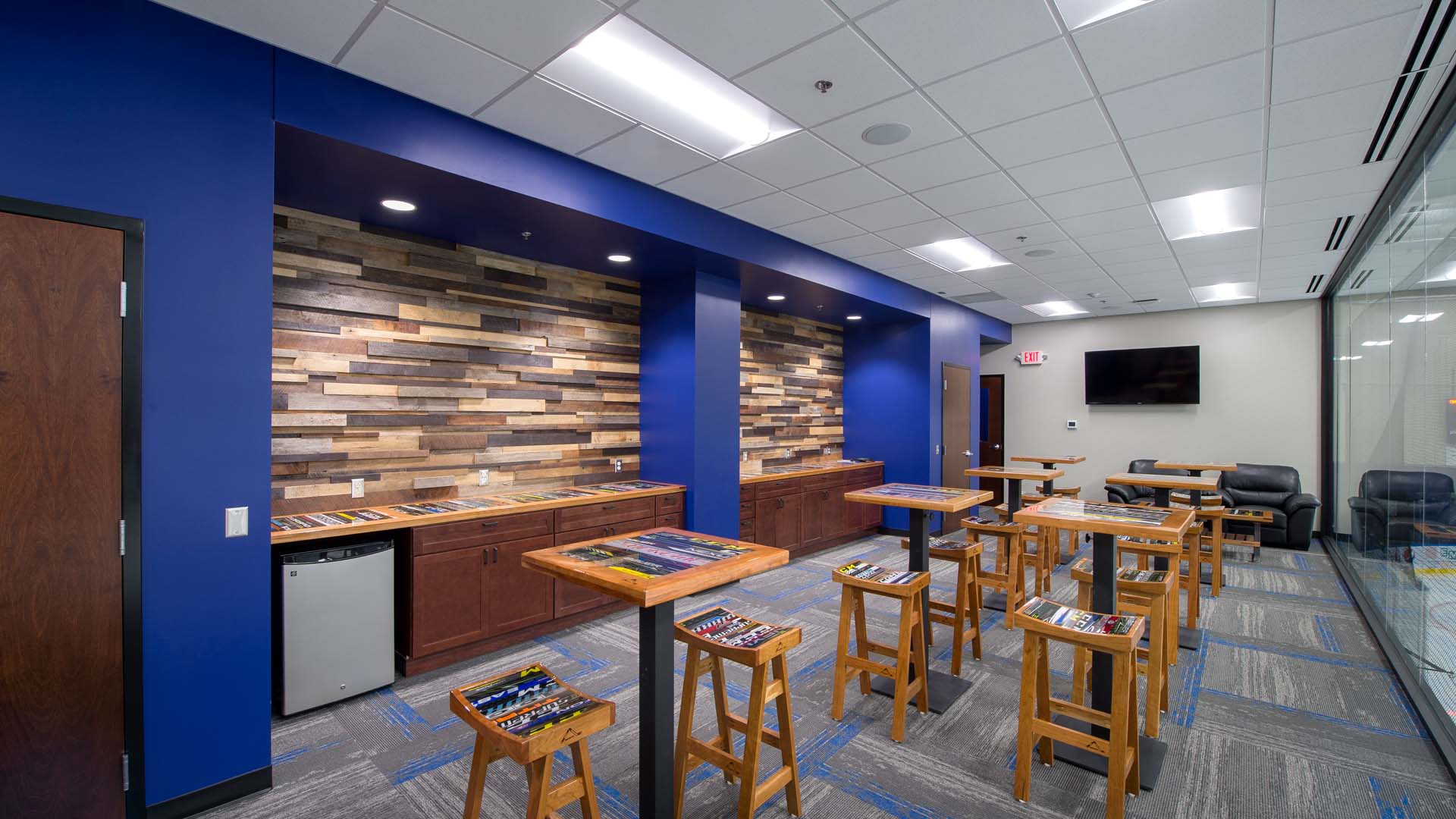
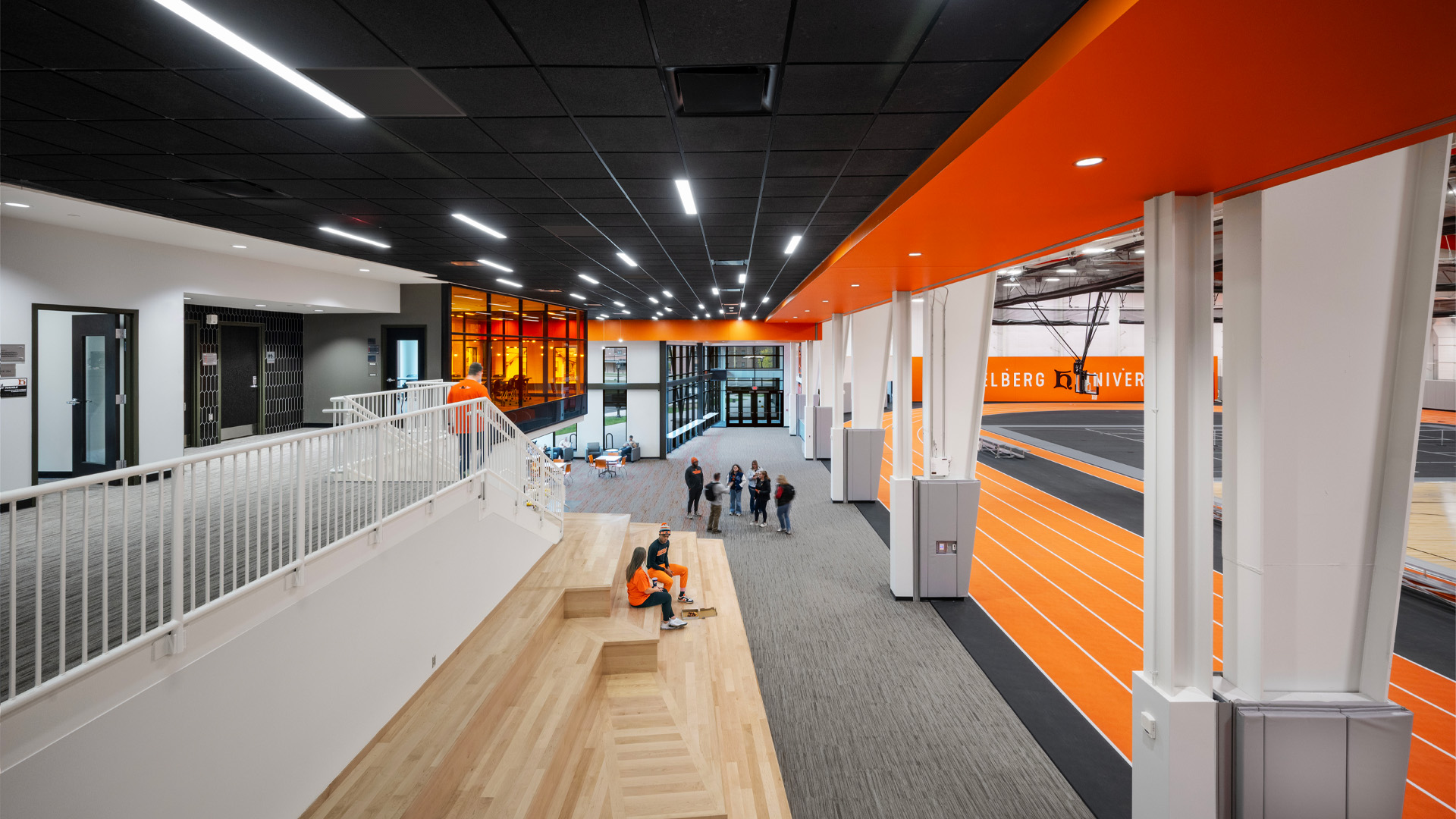
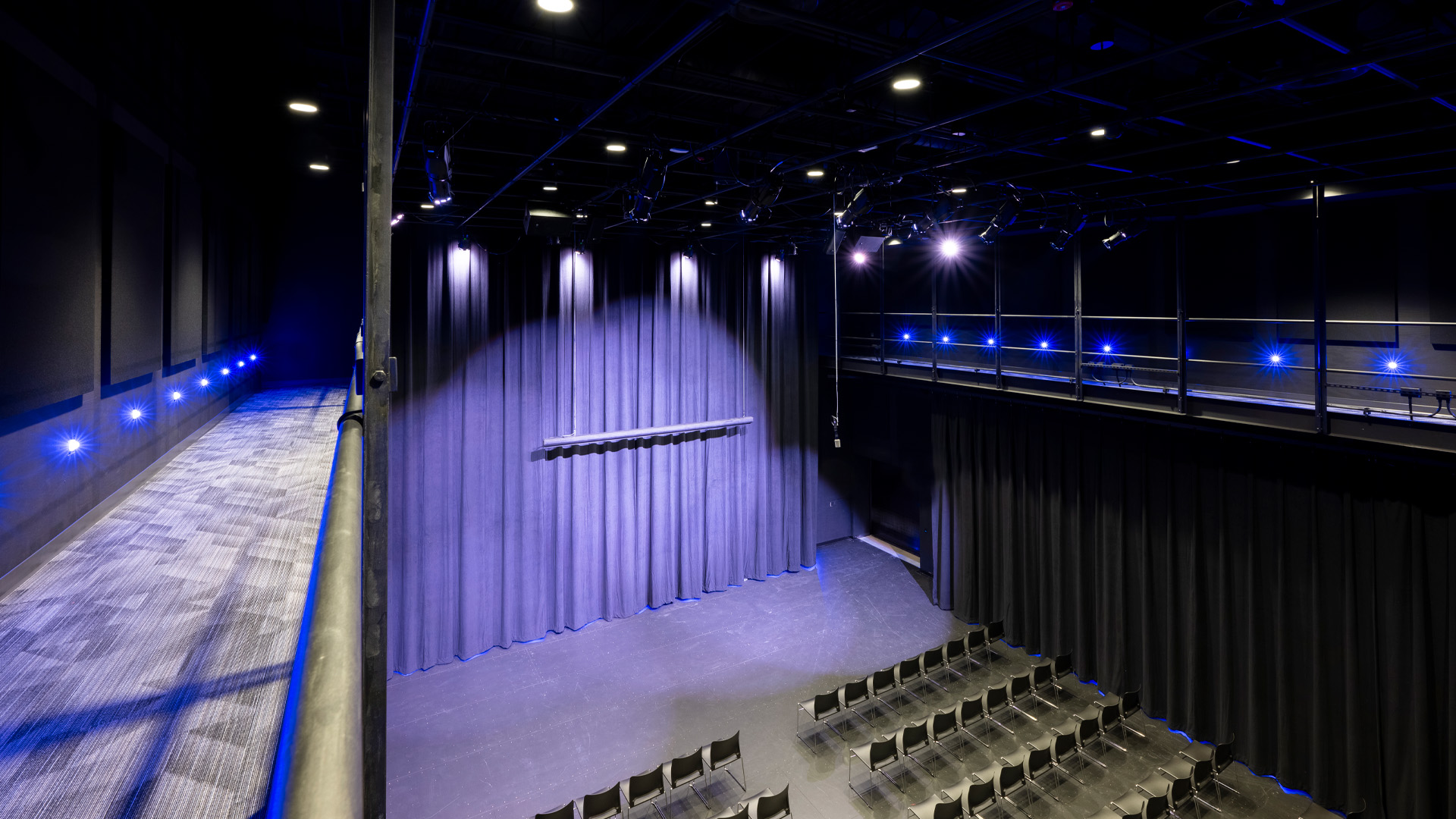
How Color Influences LearningEvery space teaches something. Before a student reads a syllabus or meets a professor, the environment is already sending signals—this is a place to focus, this is a place to collaborate, this is a place to pause and breathe. Color plays a central role in that conversation. Far from being decorative, color shapes how the brain responds to space. It influences energy levels, attention span, and social interaction. When applied strategically, it can help learning environments work with students rather than against them. Drawing on research, we explore how different color palettes influence learning and how those insights inform our approach to designing academic environments. |