Search this Site

Close

For years, the industry narrative has suggested that digital banking would make the branch obsolete.

Mobile adoption has surged. Account opening is frictionless. AI handles routine transactions. On the surface, it seems plausible that a financial institution could grow membership without ever investing in a physical presence. But the data and the lived experience of financial institutions tell a more complex story.

Research from Deloitte shows that while digital channels drive convenience, branch satisfaction has a disproportionate impact on overall customer satisfaction. Insights widely cited from McKinsey & Company and Fiserv indicate that in-branch account openings consistently convert at higher rates than digital-only channels. And reporting from PYMNTS continues to show that members prefer in-person engagement for complex financial decisions.

Even digitally sophisticated institutions recognize this. Bank of America continues opening new branches, not as transaction centers, but as advisory and relationship hubs.

This isn’t nostalgia. It’s strategy.

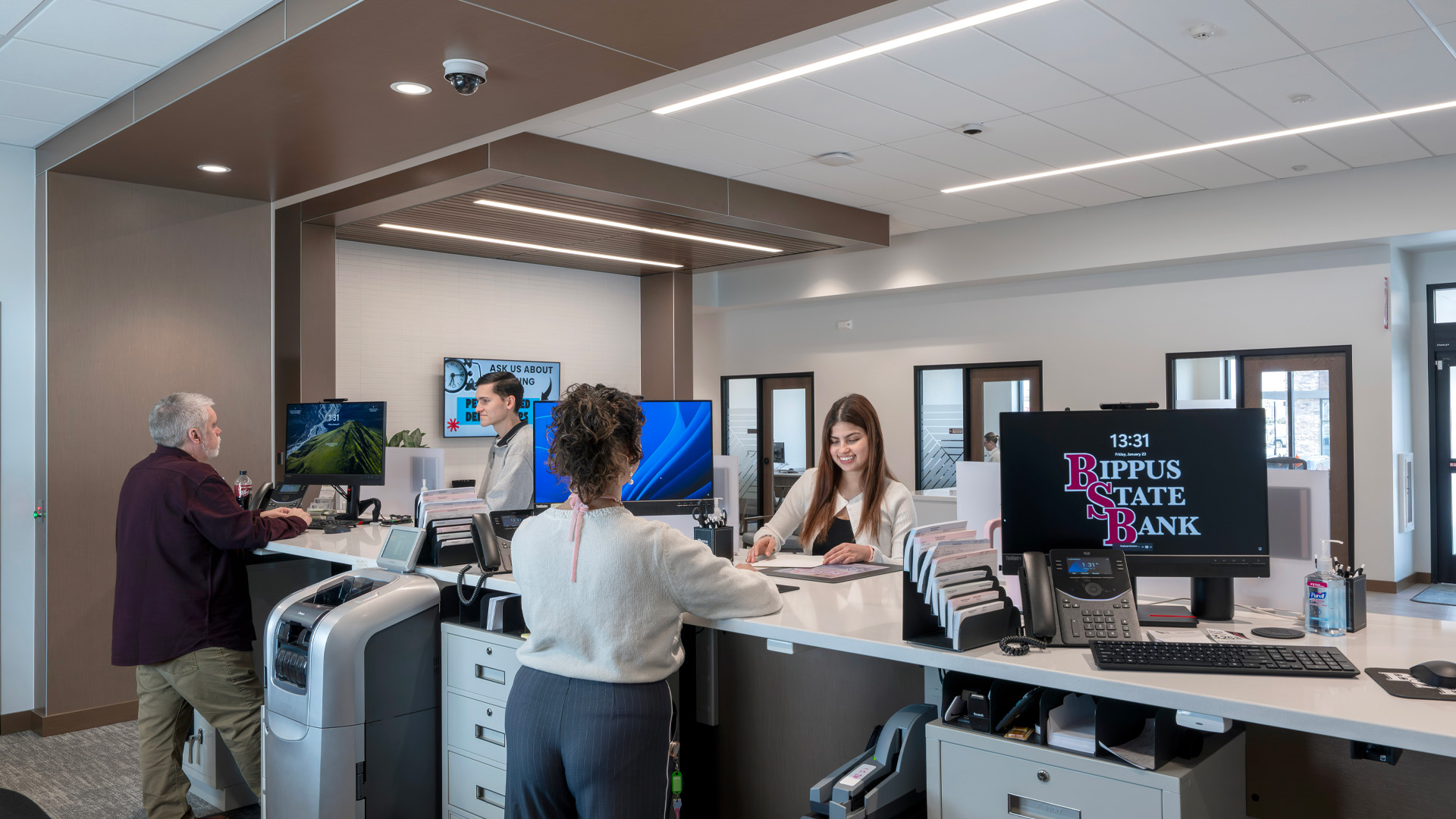
Tellers helping customers behind a desk at the Bippus State Bank Fort Wayne Branch. Bank branch exterior with large window wall and warm brick.

Digital Builds Access. Physical Builds Relationships.

Digital channels excel at speed, convenience, and scale. They reduce friction and support daily transactions efficiently. But financial relationships are not built on routine transactions alone. They are built during moments of complexity: mortgages, small business lending, wealth planning, debt restructuring, life transitions. These are consultative conversations. They require privacy, clarity, and human reassurance.

And those moments require space.

A well-designed branch is not simply a place to conduct transactions. It is a physical expression of brand credibility and institutional stability. It communicates permanence in a way that a mobile interface cannot. For credit unions and community banks especially, physical presence signals commitment to a market. It reinforces the message: We are invested here.

More importantly, design directly influences advisory performance. Acoustics determine whether members feel safe discussing finances. Sightlines affect approachability and engagement. Spatial zoning can either encourage consultative conversations or push staff back into transactional behavior. When advisory offices feel improvised or exposed, conversations stay shallow. When they are intentionally designed for comfort, privacy, and collaboration, relationship depth increases.

Technology Should Elevate, Not Replace, the Experience

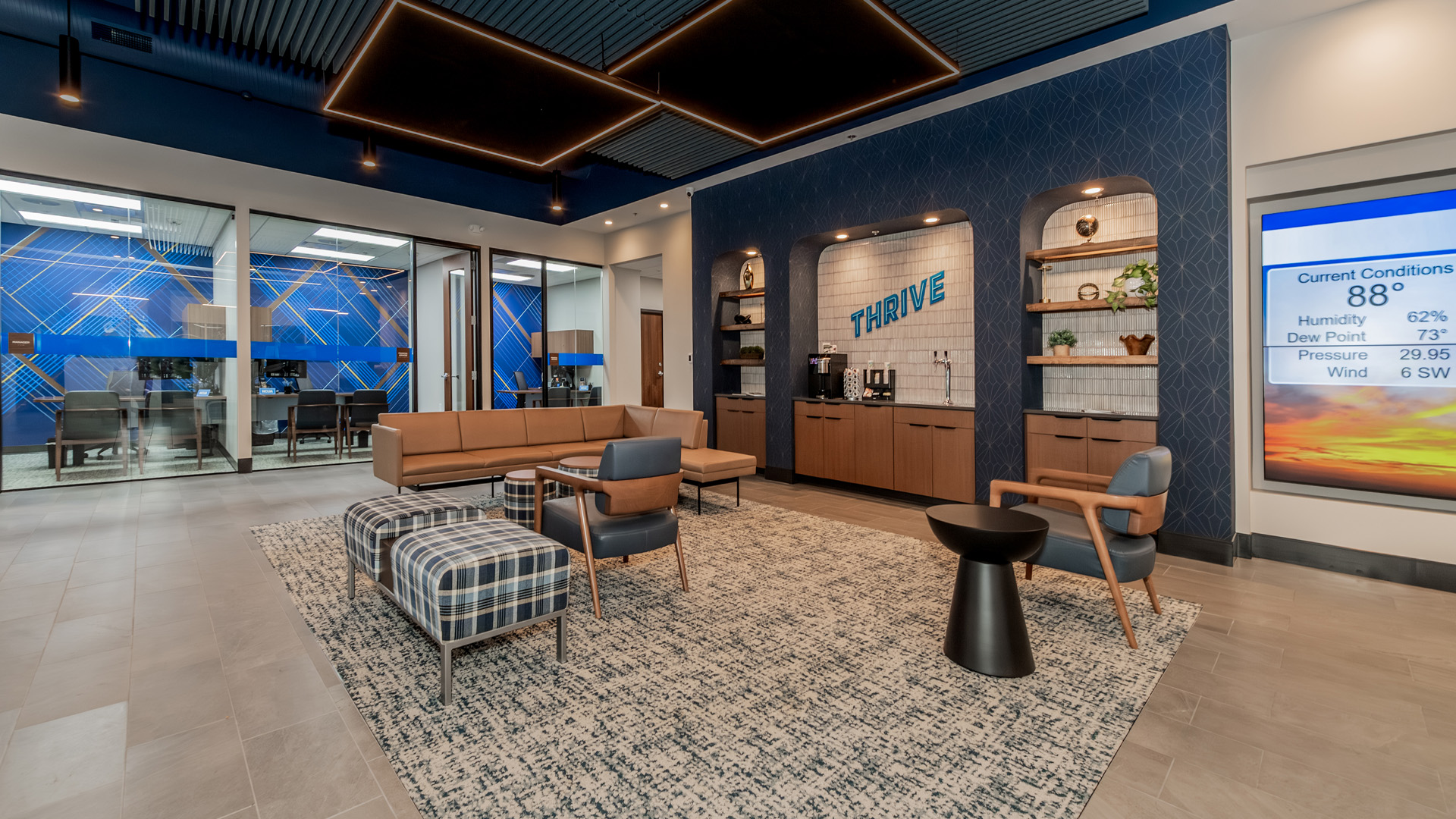
Integrated technologies further elevate the experience. Banker tablets allow staff to access account information and present product options seamlessly, without pulling members to a traditional teller line. Interactive digital displays provide visually engaging information on services, educational content, or promotions, while maintaining the consultative flow of conversation. These tools, combined with thoughtful layout and intuitive wayfinding, create a branch where digital and physical strategies reinforce each other rather than compete.

The Branch as Strategic Infrastructure

The modern branch must function as strategic infrastructure within an omnichannel ecosystem. Digital channels may generate leads. They may initiate onboarding. But the physical environment often closes the relationship—expanding product adoption, strengthening loyalty, and deepening trust.

Institutions that eliminate physical presence entirely often compensate with increased marketing spend, pricing incentives, or niche positioning. Sustainable, relationship-driven growth is harder to achieve without a tangible anchor in the community.

The question is no longer whether digital works. It does. The more strategic question is this:

What kind of physical presence supports digital growth?

Not oversized transaction halls. Not legacy teller lines. But thoughtfully designed advisory environments that complement digital convenience. Spaces that empower staff to operate as consultants rather than processors. Branches that embody the brand promise expressed online. Smart integrations—tablets, interactive displays, and connected technology—make advisory workflows seamless and engaging, reinforcing the brand experience across channels.

The future of financial services is not digital versus physical. It is integrated. Digital removes friction. Physical space builds trust.

Institutions that understand this and design for it intentionally position themselves not just to acquire members or customers, but to retain them, advise them, and grow with them.

Because while accounts can be opened anywhere, meaningful financial relationships are still built somewhere.

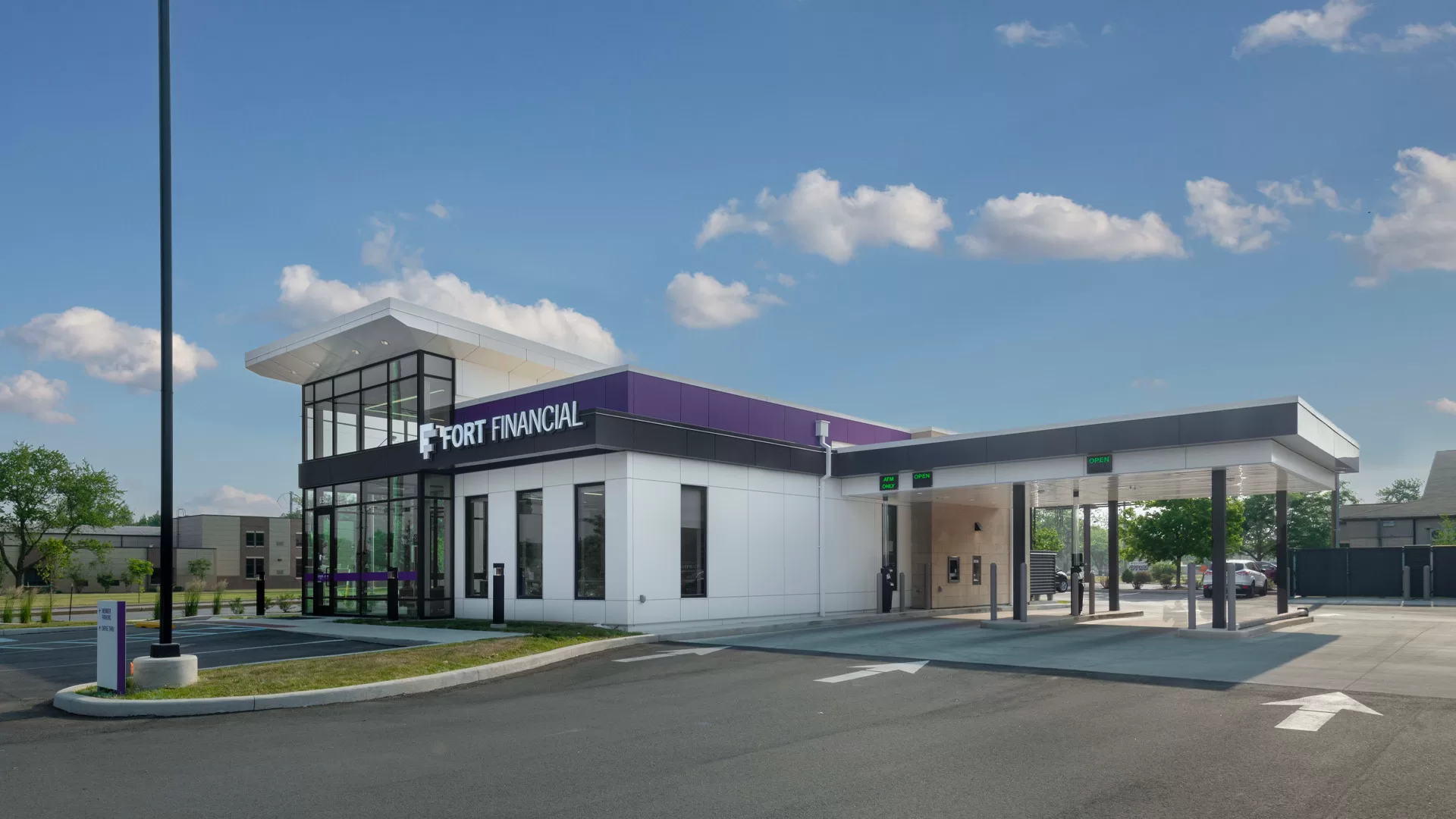
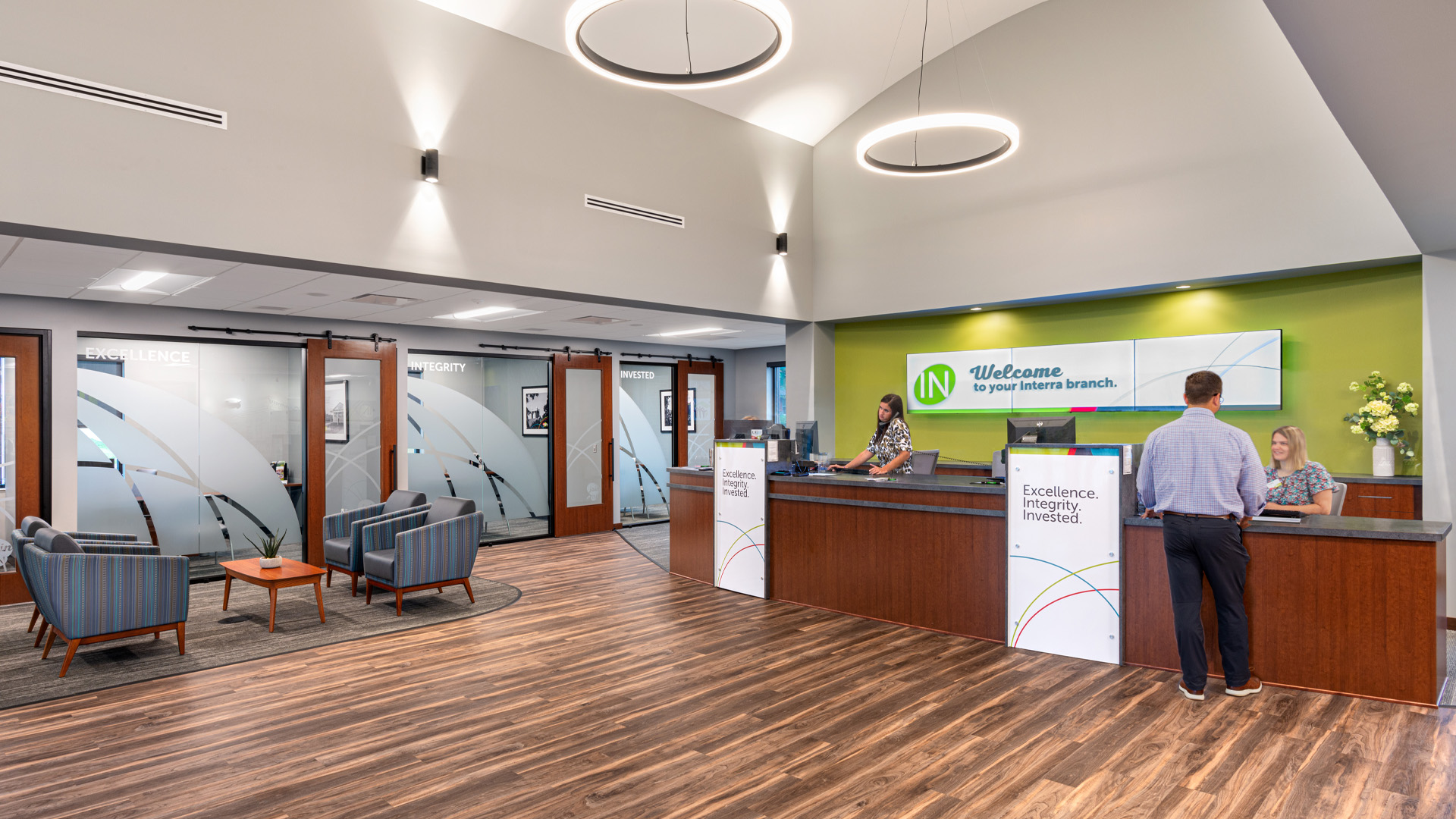
Fort Financial Credit Union East Branch Drive-Thru Exterior Interra Credit Union LaGrange Branch - Teller Line

Designing for Growth, Not Just Footprint

For credit unions and community banks across growth markets in the United States, the branch can no longer be treated as a legacy asset or a cost center. It is a strategic growth platform. It must support advisory conversations, reflect brand strength, and reinforce digital capabilities; all within a right-sized, operationally efficient footprint.

That requires more than aesthetics. It requires aligning space with service model, staffing strategy, technology integration, and long-term market positioning. Integrated technology, such as banker tablets and interactive displays, should feel seamless, supporting consultative engagement rather than replacing it. Every spatial choice should reinforce the staff’s ability to deliver advice confidently and for members to engage comfortably.

Aligning Space with Strategy

As architects specializing in financial environments, we partner with institutions to evaluate how their physical presence supports acquisition, consultative selling, and omnichannel integration. We look beyond square footage and finishes to ask deeper questions:

  • Is this space building trust?
  • Is it enabling advisory depth?
  • Is it reinforcing the brand promise members and customers experience online?

When branch design is approached strategically, not reactively, it becomes a catalyst for growth. Digital may be the front door for many relationships, but the physical branch remains the place where loyalty is strengthened, advice is delivered, and community presence becomes tangible.

And in a competitive financial landscape, that presence still matters.

If you’re rethinking your branch network or evaluating how your footprint can better support performance and omnichannel growth, now is the time to align your physical presence with your long-term strategy. We partner with credit unions and community banks to design right-sized, advisory-focused branches that reinforce digital capabilities and strengthen brand presence. Reach out to our team to explore how your branch can become a strategic asset, not just an operational necessity.

Copyright ©2026 Design Collaborative