The commercial construction market continues to show resilience in 2026, but the conditions shaping projects are becoming more complex.

Demand remains strong in sectors like data centers, advanced manufacturing, and infrastructure, while ongoing labor shortages, material escalation, tariffs, and supply chain uncertainty continue putting pressure on budgets and schedules. For owners and project teams, the challenge is no longer simply whether projects will move forward. The challenge now is how to plan strategically in a market where costs and competition remain unpredictable.

Here’s a closer look at the trends currently shaping construction demand, pricing, and delivery conditions across the industry.

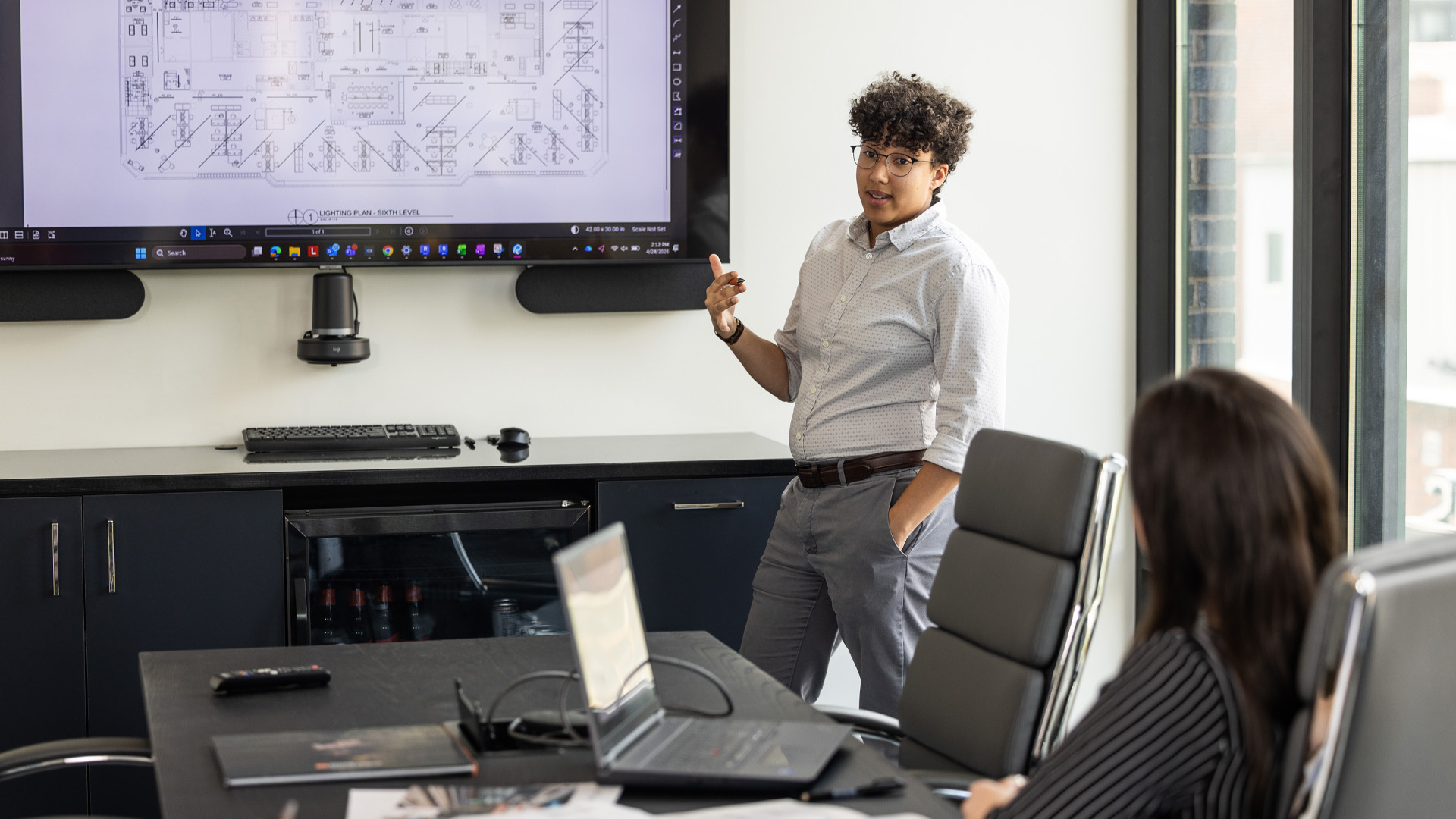
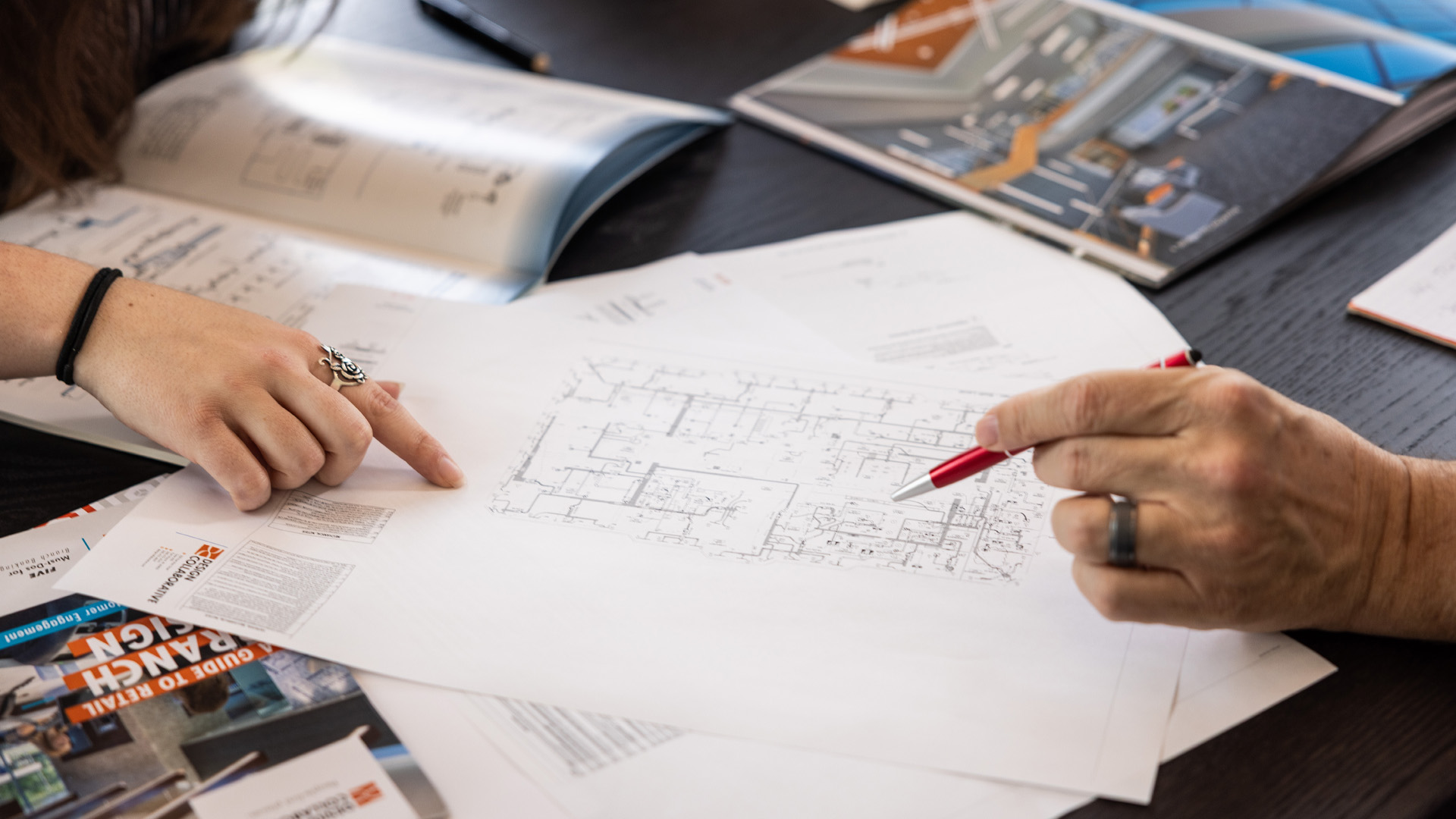
Design Collaborative employee in Charlotte North Carolina gives presentation on electrical building plans.

Growth is being driven by a narrow set of sectors

U.S. construction demand remains strong, driven by data centers, manufacturing, and semiconductor projects in the Midwest and Southeast. Traditional commercial building has softened in some markets, while architecture and engineering remain steady.

Data centers and infrastructure, fueled by AI demand, have been the main drivers of construction growth. U.S. data center starts are up 15.1% year over year, driven by AI and cloud computing. A “start” refers to a project that has broken ground.

With more than $400 billion in future projects already announced, 2026 has been the most active year for data center development. These large projects are supporting nonresidential construction growth despite weakness in other sectors and are shifting labor toward major initiatives instead of other commercial developments.

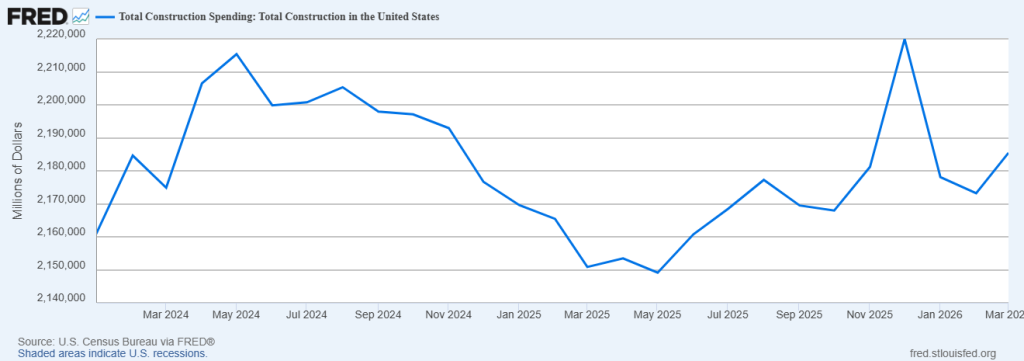
FRED reports total construction spending dropped in February but rebounded in March.
Costs are expected to remain elevated through 2026

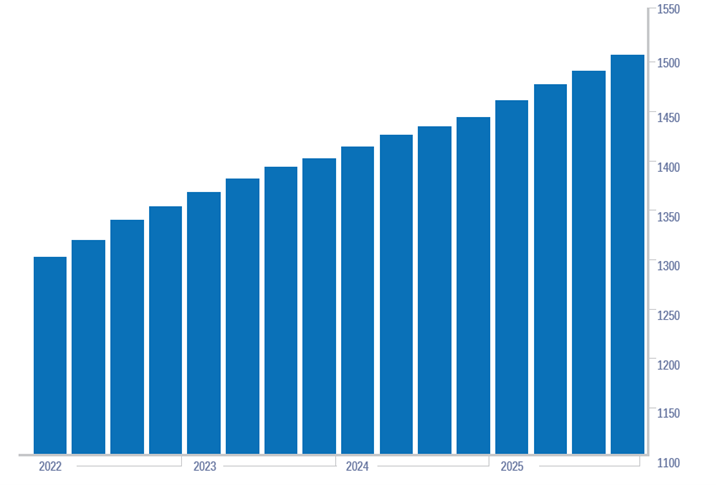
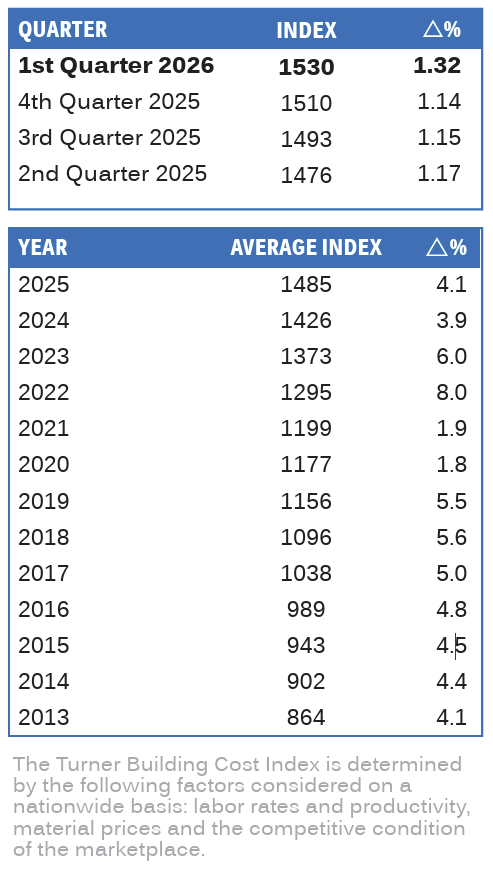
Construction material costs are expected to stay high throughout 2026, with non-residential building inflation projected to reach 4.4% when tariff effects are included. Rapid growth in data center and renewable energy projects is driving strong demand for copper, electrical components, and steel. Material costs are also increasing, with steel up 13%, aluminum up 23%, and copper products up 4.9% year over year.

Oil prices rose above $100 per barrel in early 2026, increasing transportation and diesel costs for construction materials. As of early May, Brent crude was trading in the $104 to $108 per barrel range, up more than 60% from 2025. The increase is largely tied to supply concerns stemming from the Iran crisis, which has disrupted energy infrastructure and raised risks around the Strait of Hormuz.

Inflation has also made an impact on commercial construction with stalled growth due to high interest rates remaining volatile.

Labor Availability

The U.S. construction industry continues to face a significant labor shortage. According to Associated Builders and Contractors (ABC), the industry will need 349,000 net new workers in 2026 and 456,000 in 2027 to meet demand. Nearly 92% of contractors report difficulty filling positions, which contributes to project delays and higher costs. About 66% of firms report delays tied to labor shortages, and 45% have turned down work. The industry also continues to struggle to attract younger workers, with fewer than 3% considering construction careers.

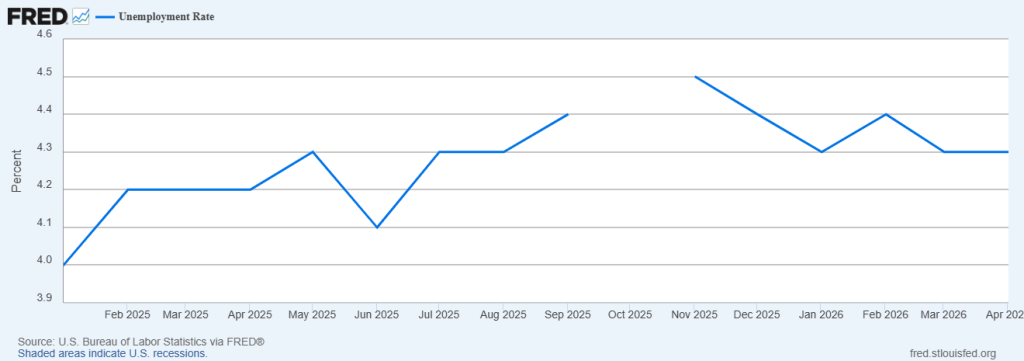
FRED data shows the national unemployment rate held steady at 4.3% throughout the first quarter.

Key takeaway for planning and preconstruction

Commercial construction demand should remain strong through 2026, but companies should expect projects to be shaped by persistent escalation, labor shortages, tariffs, and supply chain disruptions. The strongest recommendation is for teams to be disciplined during budgeting, design, and preconstruction, especially in how they track escalation forecasts, labor trends, material risks, and allowances. In other words, the outlook is not pessimistic about demand, but it is cautious about delivery conditions and cost control.

Design Collaborative architects in Charlotte North Carolina make notes on a floor plan.

Navigating today’s construction environment requires proactive planning. If your organization is evaluating a future project, planning capital investments, or navigating evolving cost conditions, our team can help you move forward with clarity and confidence. Contact us to start a conversation.

Copyright ©2026 Design Collaborative