Search this Site

Close

Building Tomorrow’s Charlotte: Regional Leaders on Navigating Growth, Winning Talent, and Shaping the Future

By Allen Clark

December 1, 2025

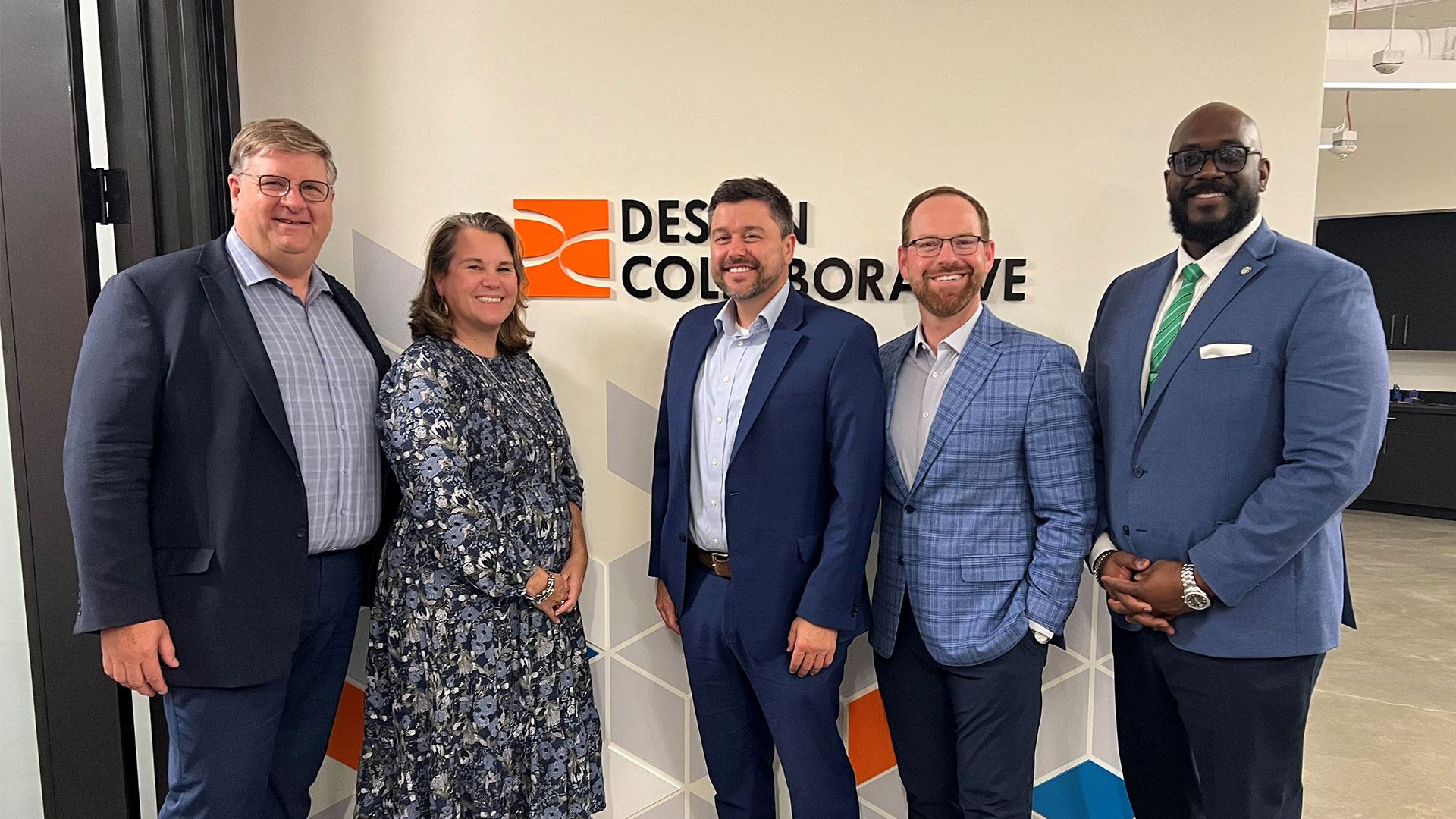
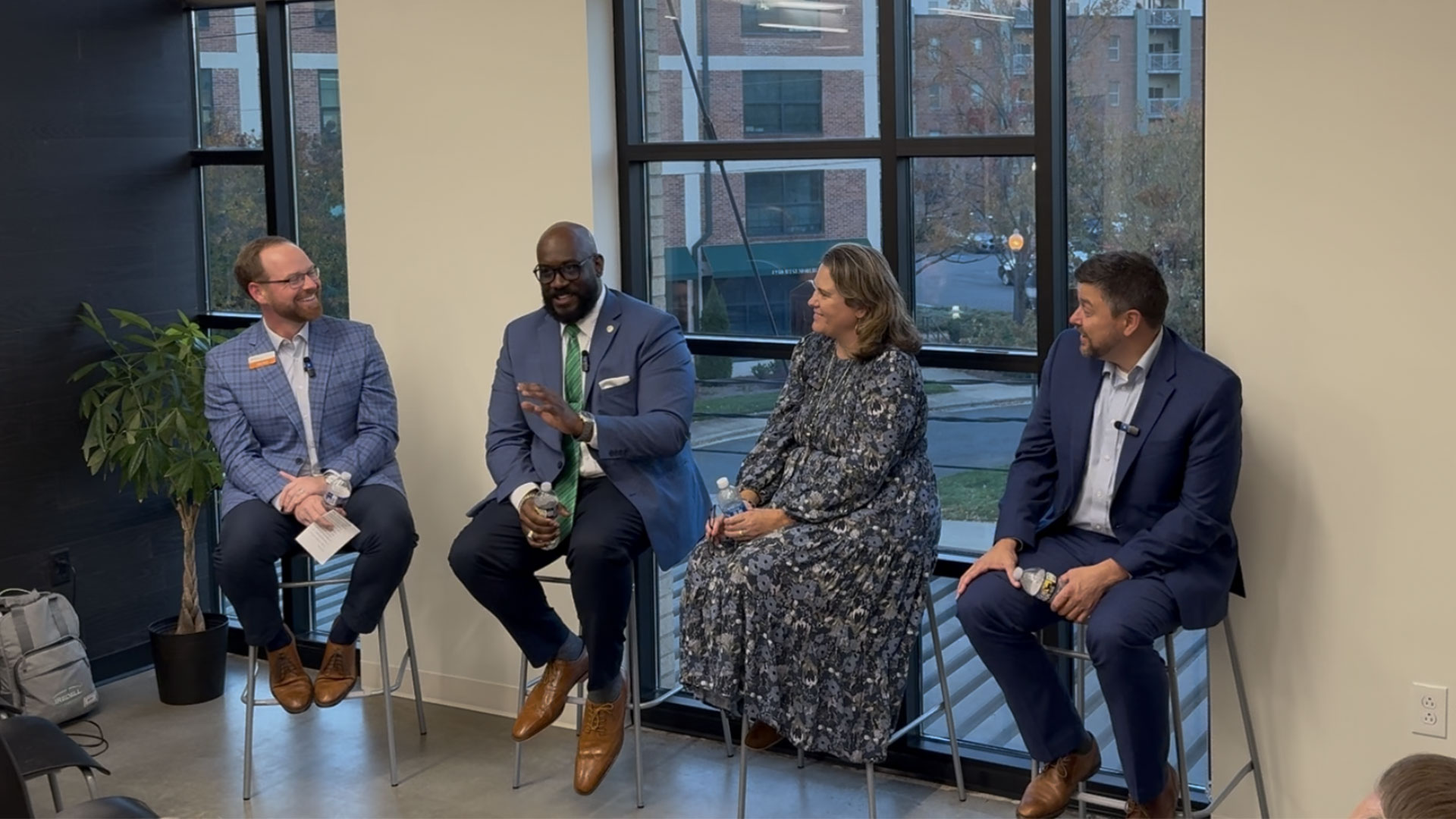
How is Charlotte being intentional with the 157 people who move to the region daily? Design Collaborative (DC) recently brought together top economic development leaders from the City of Charlotte, Iredell County, and York County to discuss what it takes to grow smart, attract talent, and plan for the future. The takeaway? Collaboration is Charlotte’s superpower.

Charlotte skyline at dusk
Economic development officials, business people, panelists, professional, candid, Design Collaborative wall

Allen Clark, Design Collaborative: The Charlotte region is growing fast—nearly 157 new residents every day. What does that feel like on the ground?

Jenn Bosser, Iredell County Economic Development Corporation: The growth is tremendous. In Troutman, property tax value is up 199% in five years. Statesville’s population, flat for decades, is now climbing. The toll road opened access to northern areas, and people realized how close they really are to Charlotte. We’re working to bring in high-paying jobs so people can thrive. It’s about preserving that small-town feel while being part of a major metro. You can still live on a farm in Mooresville and enjoy a downtown lifestyle.

Mitch Miller, York County Economic Development: We feel it every day. We’re seeing growth spread into our more rural areas, like Clover and York, which has grown about 20% in the last two years. With that comes growing pains, so we’re being intentional with mobility. Not light rail, but trails and connectivity. Project “Trail Mix” is about connecting trails across York County and creating a seamless connection into Charlotte-Mecklenburg so people can live, work, and play without ever getting in their car.

Economic development officials, business people, panelists, professional, candid, Design Collaborative wall

Clark: The transportation referendum passed in November, dedicating significant funding to transit and infrastructure. It’s been called a “transformative moment.” What does it mean for Charlotte?

Shahid “Sha” Rana, City of Charlotte: This is the golden era of a great American city. We’re home to nearly a million people, a mega international airport, an R1 university, an HBCU, a four-year medical school, and major professional sports teams. The ability to deploy nearly $19.4 billion over 30 years in transit and infrastructure ties the region together. About 40% will go towards roads, 40% towards rail, and 20% towards buses. This promotes quality of life, but it also creates a steady pipeline of projects for local contractors and small businesses. It helps us think and act like the world-class city we are becoming.

Economic development officials, business people, panelists, professional, candid, talking, conversation Economic development officials, business people, panelists, professional, candid, talking, conversation

Clark: Beyond population growth, what are you seeing on the industry front?

Miller: We’re seeing a really healthy mix of activity. Office projects have come back stronger than expected, which is exciting because they typically bring higher-wage jobs. Manufacturing continues to grow—Pratt Industries just completed a $92 million expansion—and developers are showing new interest in York County, thinking more creatively about how to build complete communities. We’re focused on supporting the right kinds of projects and creating the amenities that make those areas thrive.

Rana: Business is booming. In just a few months, we’ve had five major office announcements, including expansions from SoFi and new regional hubs for Citigroup and AssetMark. The return to office is real, and talent attraction is driving it. Companies know they must create amazing work environments, which is why we’re seeing big wins in places like Ballantyne, South End, and Uptown.

Bosser: In Iredell County, we’re focused on industrial growth. If you don’t have a site with infrastructure, you can’t compete. Private sector investment in spec development has positioned us well. Our Mooresville Business Park East has three projects in the works. We’ve also seen a shift from motorsports components to advanced manufacturing in aerospace and defense. Recently, Statesville’s City Council unanimously approved the rezoning and annexation for Compass Data Centers to build a 1.2 million-square-foot facility, which represents a potential minimum $1 billion investment. That’s transformational.

Economic development officials, business people, panelists, professional, candid, talking, conversation Economic development officials, business people, panelists, professional, candid, talking, conversation

Clark: With so much opportunity, what are the challenges for existing businesses?

Miller: For our existing companies, tariffs, supply chain disruptions, and healthcare costs are top concerns. Talent is also key. We’re investing in life sciences training programs to build the workforce our industries need.

Bosser: There’s a lot of optimism out there, but also plenty to navigate. Tariffs and supply chain issues are still front of mind for many companies, and healthcare costs continue to climb—sometimes by 30% or more. Talent challenges have steadied a bit as teams settle in, but instead of major hiring, many businesses are focusing on retention and turning to automation to boost efficiency and stay competitive.

Clark: A theme of collaboration seems to run through all of this. How important is that regional partnership?

Rana: We’re in an era of collaboration. We all understand that a win for one is a win for all. My team works closely with Mecklenburg County, and if an opportunity isn’t the right fit for Charlotte, I’ll make a warm handoff. We’ve moved beyond city-county competition. We’re all focused on creating great places to live, good jobs, and sustainable growth for everyone. When we put egos aside, we all win.

Clark: As the Charlotte region continues its remarkable growth, success will come from intentional design—of our cities, our workplaces, and our communities. Design Collaborative is proud to partner with the leaders and businesses building a connected, prosperous, and vibrant future for the Carolinas.

Charlotte’s momentum is undeniable, and intentional design will define what comes next. From workplaces that attract top talent to communities that stay connected, Design Collaborative helps bring those visions to life. Contact us to start designing your next space with purpose.

Article published in the Charlotte Business Journal.

Copyright ©2025 Design Collaborative