Search this Site

Close

At OhioHealth Hardin Memorial Hospital, leaders were looking for a practical way to strengthen access to MRI services for their community.

Like many rural hospitals, they needed a solution that could support consistent imaging availability while remaining mindful of budget realities and patient demand.

For a period of time, the hospital relied on a mobile MRI trailer that visited the campus once or twice each week. While it provided an important service, availability was limited to the days the unit was on site, and patients had to step outside the building for their appointments. Hospital leadership began exploring options that could create a more permanent, convenient experience for patients while still fitting the scale and resources of the facility.

That’s where the idea of a prefabricated MRI suite came in.

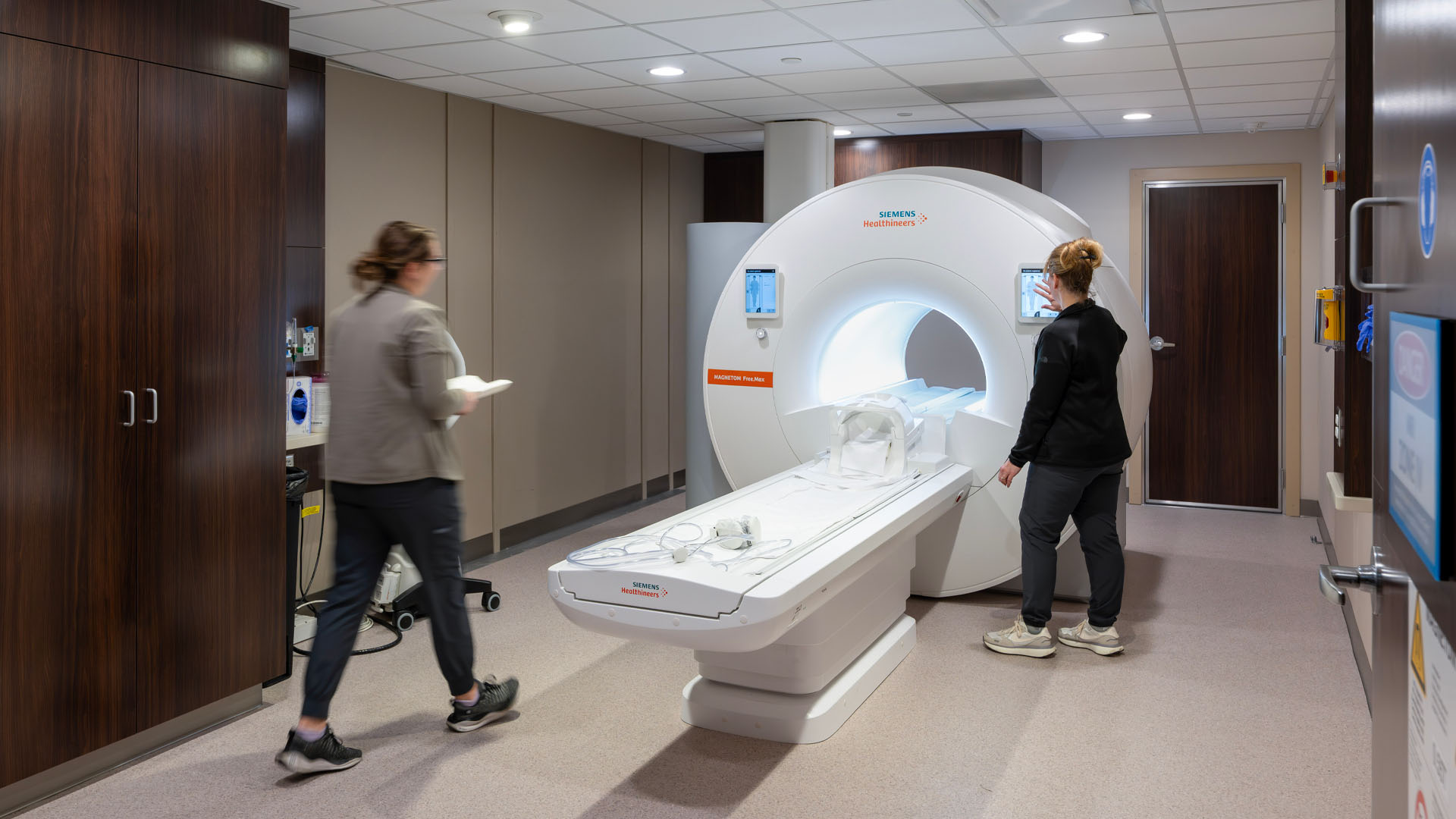
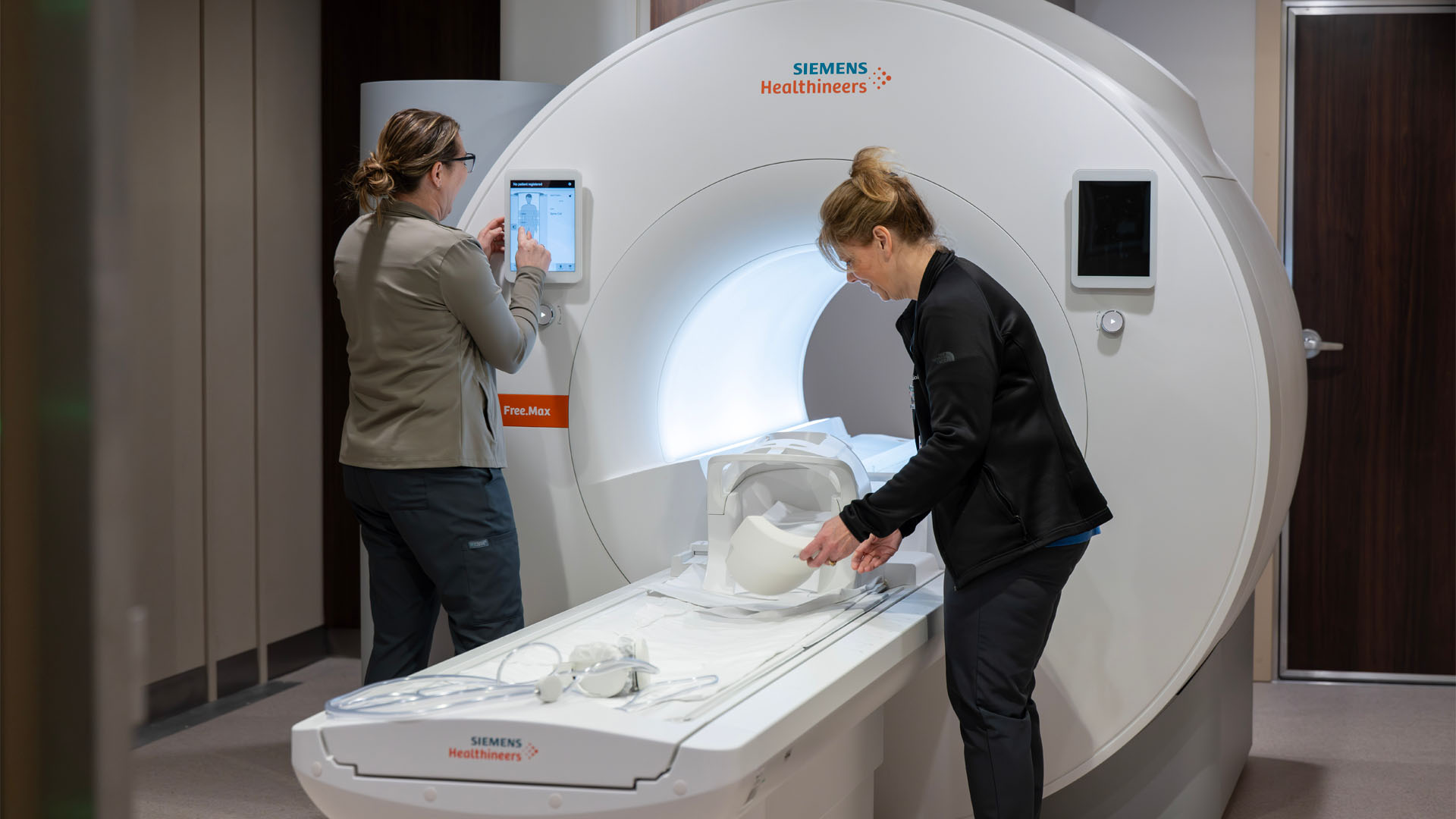
Nurses work around an MRI machine at OhioHealth Hardin Hospital.

Why a Prefabricated Unit Made Sense

For a smaller rural hospital, prefabrication can be an appealing option. Instead of constructing a full addition, the MRI room is manufactured off-site and then delivered to the hospital campus. The hospital still builds the foundation and makes the connection to the existing building, but the clinical space itself arrives mostly complete.

From a cost standpoint, that approach can be significantly more affordable than a traditional addition. It can also shorten the construction timeline.

For Hardin Hospital, it offered a way to move from a temporary mobile solution to a permanent MRI environment that was connected directly to the hospital.

Navigating New Territory

One of the most interesting parts of this project was learning how Ohio handles prefabricated healthcare units. These units fall under the industrialized unit code, which is different from the standard building code, so there’s a unique process for getting approval.

It was a great opportunity to dive into the process and figure out how everything fits together.

Working with a manufacturer who had already successfully completed a unit in Ohio made the approval process more predictable. It also showed just how valuable working with a team familiar with local requirements can be.

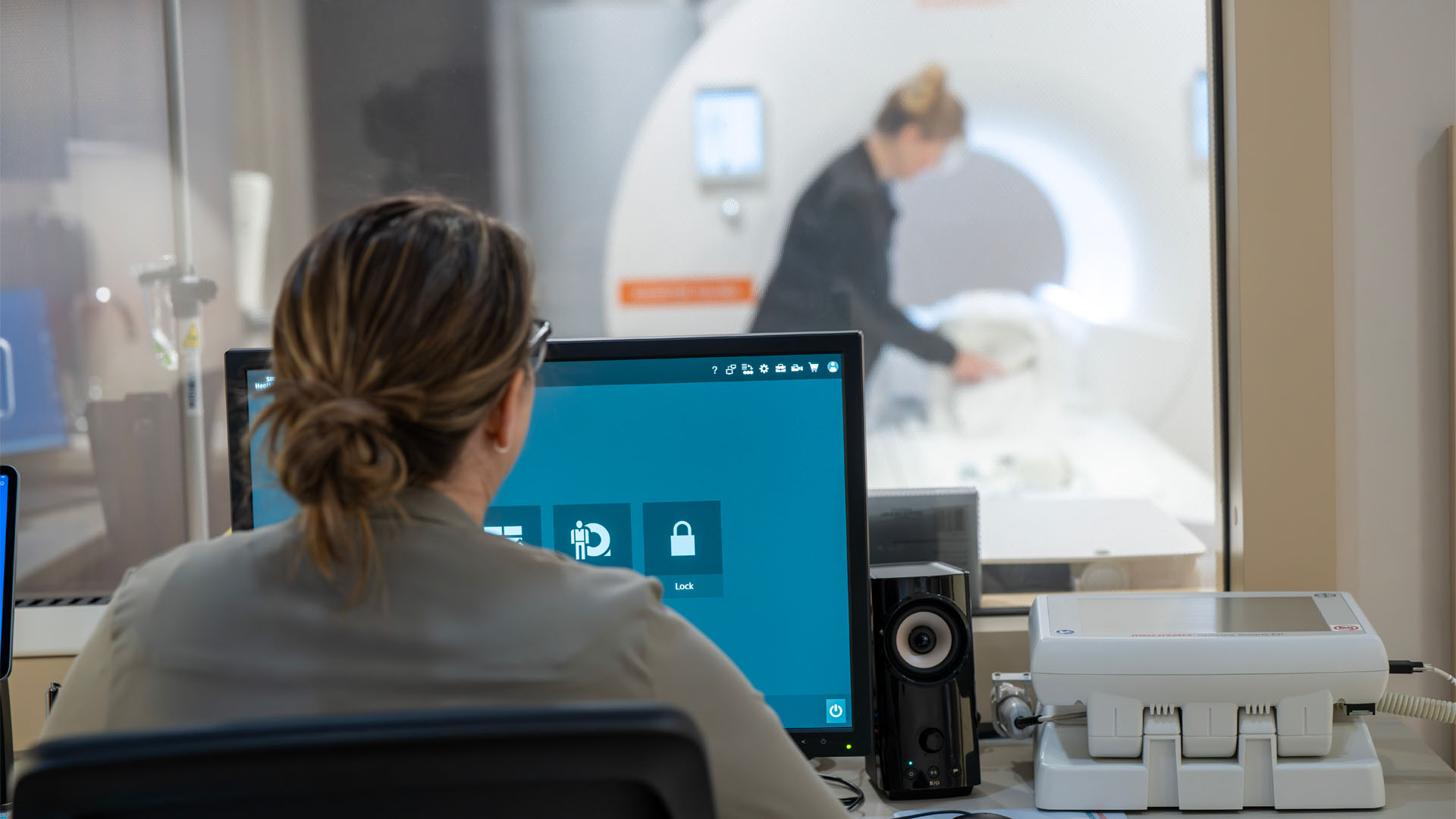
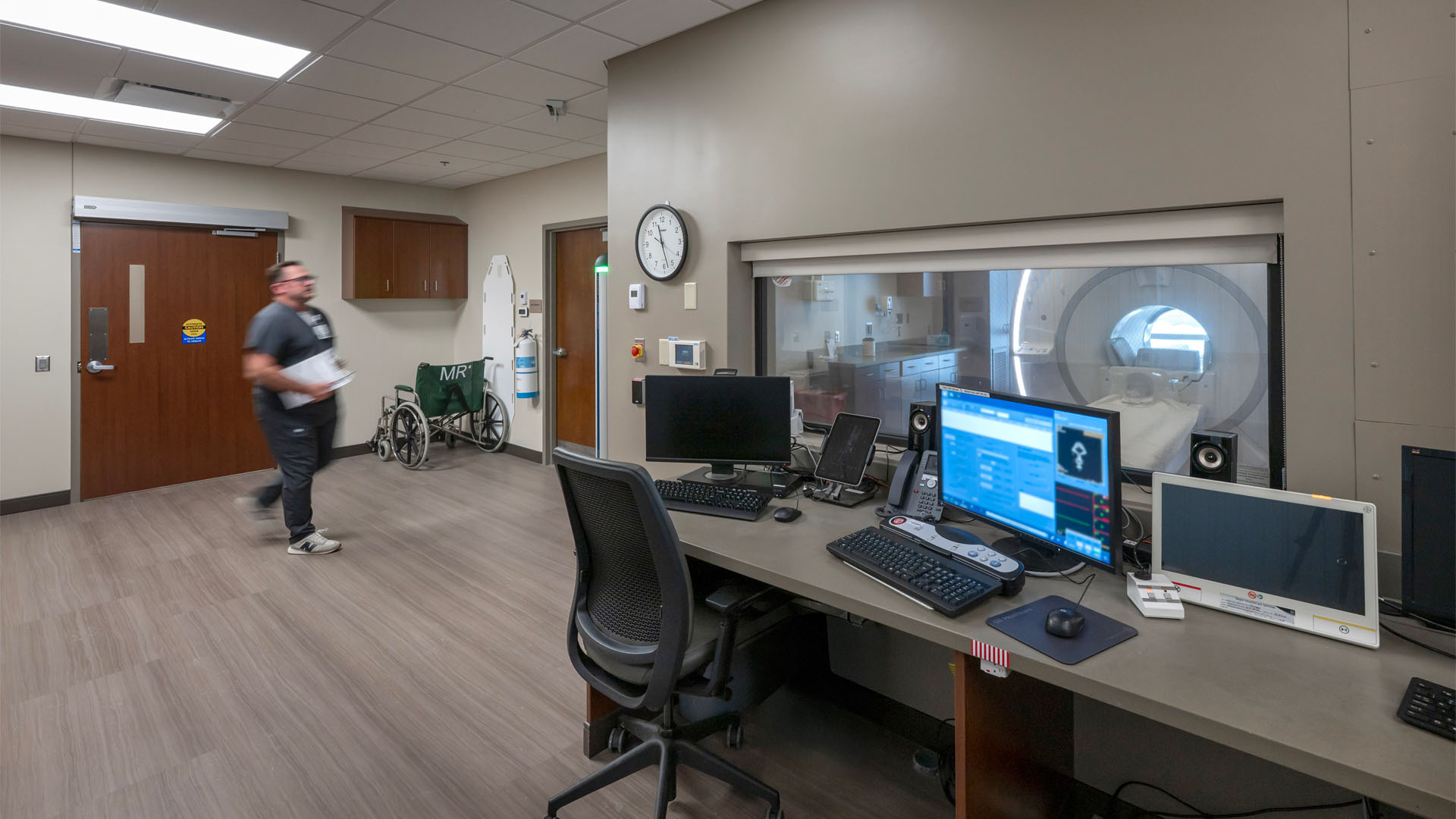
Nurses work at a computer and at an MRI machine in the Prefabricated MRI Unit at OhioHealth Hardin Hospital.

Prefabricated Doesn’t Mean “No Design”

Even though the MRI room itself is manufactured off-site, careful design and coordination are still key to a successful installation.

A big part of our role was reviewing the manufacturer’s design and making sure it actually worked with the hospital it was being attached to. Things like construction type and fire ratings still matter because once the unit is connected, it’s considered part of the hospital.

The connection points are really where the project succeeds or fails. We had to look carefully at how the door between the hospital and the unit worked, how utilities would connect, and how the foundation would support the unit’s platform.

The foundation in particular is crucial because the MRI suite sits on a raised platform. That meant recessing portions of the foundation and making sure the unit could be properly supported once it arrived on site.

Location also played a role. The unit connected near an existing exit corridor, so we had to maintain life safety clearances while still creating a functional pathway for patients and staff.

A Better Experience for Patients

The biggest change for patients is actually pretty simple.

Before this project, patients receiving MRI services had to leave the building and walk outside to the mobile trailer. Now the MRI suite is directly connected to the hospital. Patients stay in a conditioned environment with proper air quality and temperature control the entire time.

For a rural hospital, that’s a meaningful improvement. It creates a more comfortable experience and allows the hospital to provide imaging services in a setting that meets full hospital standards.

What We Learned

Looking back, there are a few key things that stand out from this project.

First, it’s important to work with a manufacturer who has already installed units in your state and understands the approval process. That alone can save a significant amount of time and frustration.

Second, even though the unit is prefabricated, you still need to approach the project the same way you would a traditional addition. Fire ratings, building codes, and connection details all need to align with the existing hospital.

And finally, the success of a project like this really comes down to coordination—between the hospital, the manufacturer, the design team, and the state approval authorities.

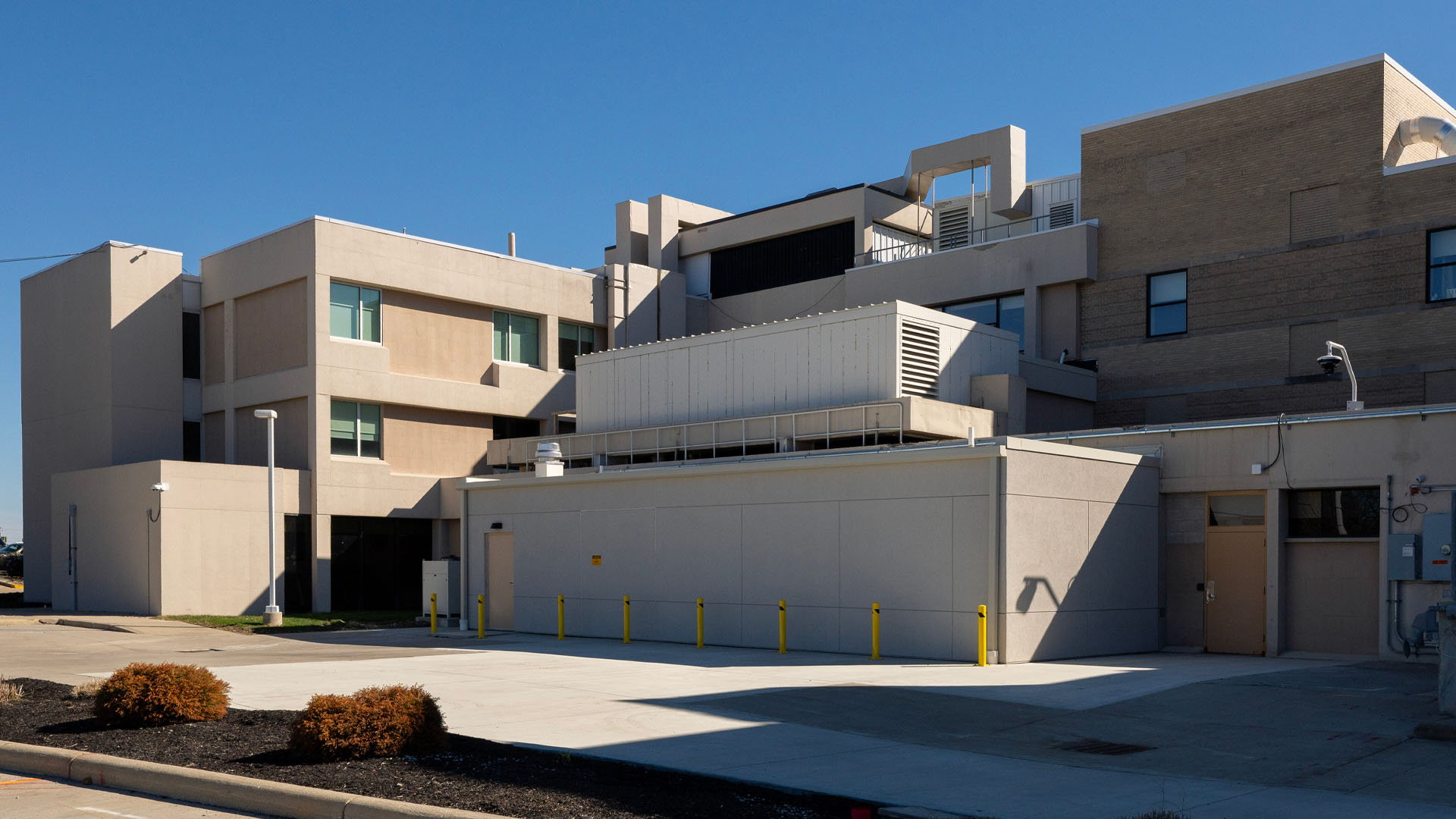
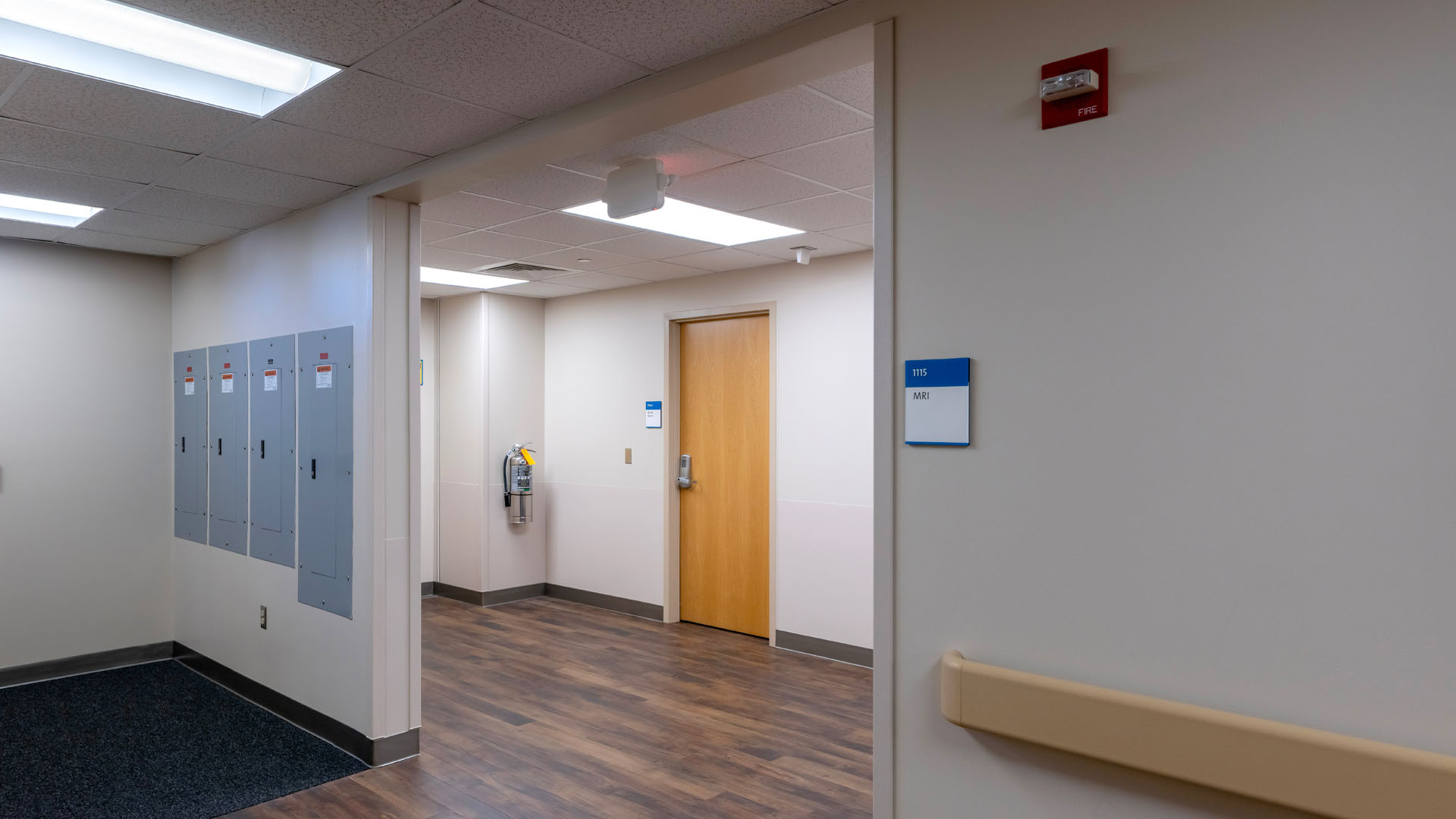
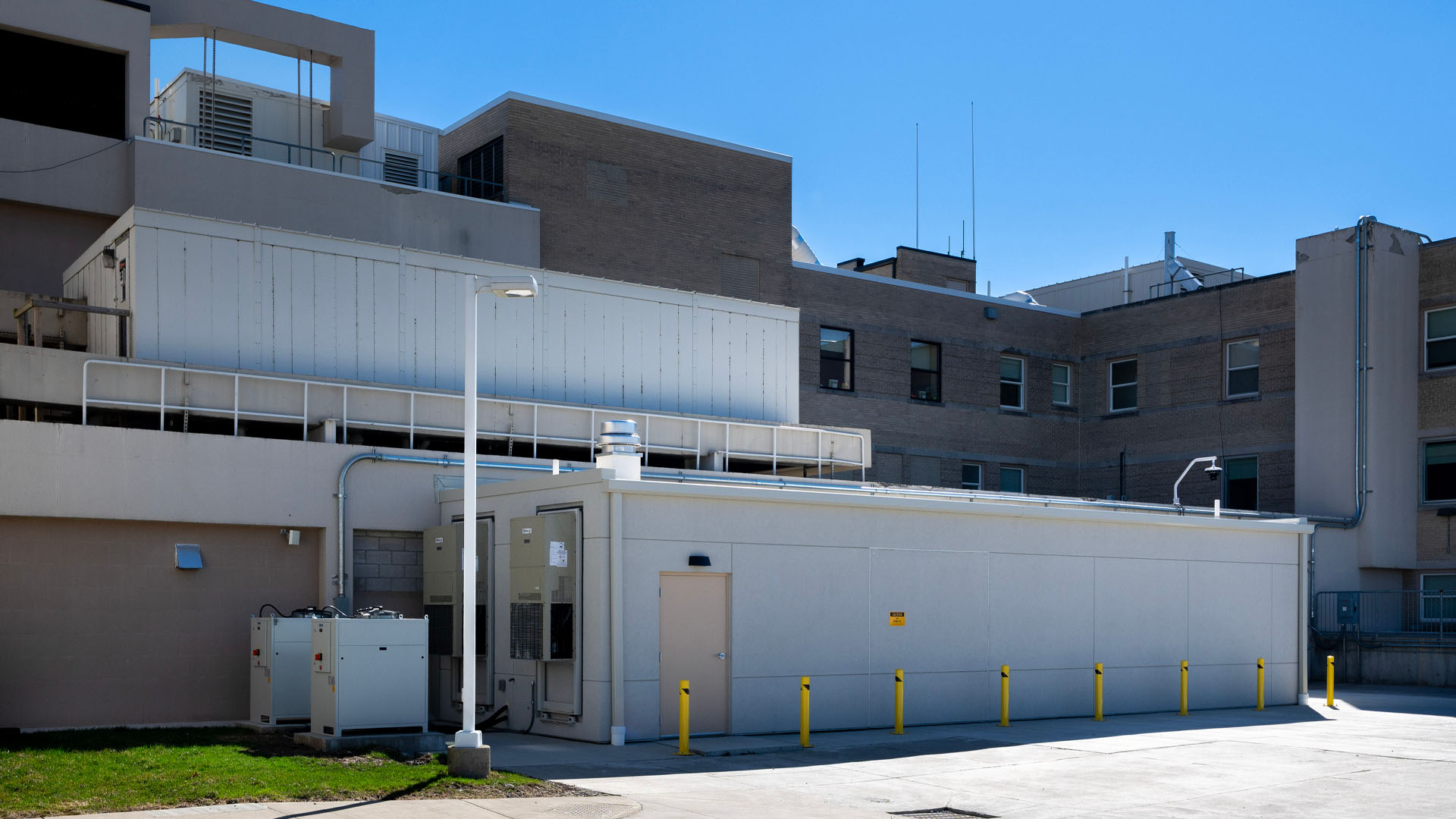
Nurses walks to the MRL room at Parkview Huntington Hospital. Outside view of the Prefabricated MRI Unit Addition at OhioHealth Hardin Hospital.

A Potential Model for Rural Healthcare

Despite some challenges along the way, the concept behind the project is still promising. For hospitals that can’t justify the cost of a traditional addition, prefabricated imaging suites offer a way to bring permanent services to their communities.

As codes continue to evolve, solutions like this may become more common—especially in rural settings where access to care is critical.

The key is understanding that while the unit itself may be manufactured elsewhere, integrating it into a hospital environment still requires careful design, coordination, and planning.

Designing effective healthcare spaces requires thoughtful planning, coordination, and attention to every detail. Our team partners with hospitals to create solutions that balance clinical needs, regulatory requirements, budgets, and patient experience. Contact us to see how we can support your next project.

Copyright ©2026 Design Collaborative