Search this Site

Close

It’s easy to think about renovation as a construction project. Define the scope, design the space, deliver on time and on budget—and success follows.

Our own office renovation wasn’t just a physical transformation. It was an alignment with how our team works day to day—how we collaborate, how we move through the office, and how we interact across disciplines.

And that’s where change management became critical to the project’s success.

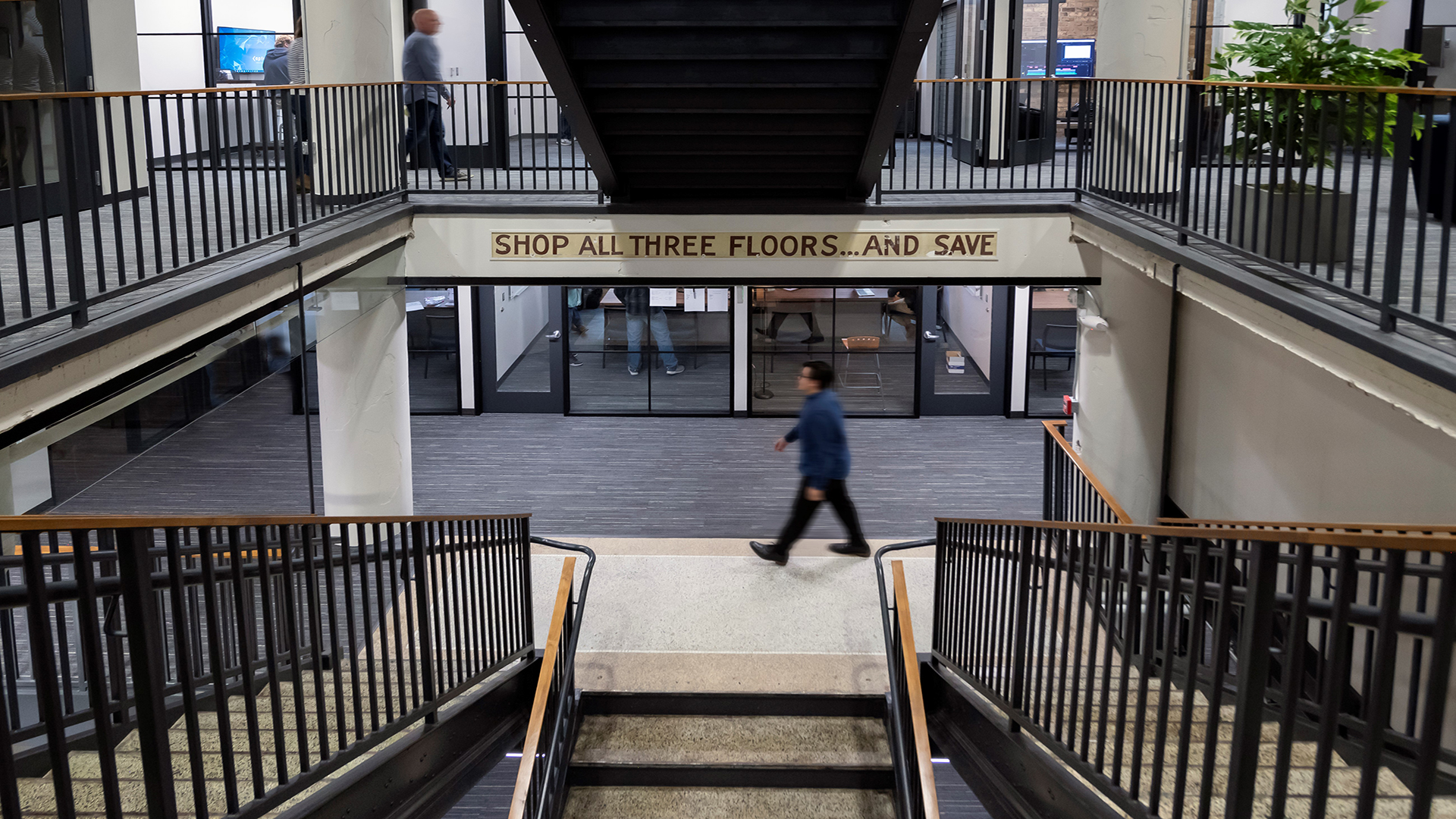
Aptera double staircase looking down

What Change Management Actually Means

Change management is the intentional effort to help people navigate both physical changes and behavior-based changes.

Without that intentionality, the risks are real. Research by McKinsey and Company shows a majority of change initiatives fail—often due to a lack of communication or employee buy-in. And we foresaw how easily that could happen. If people don’t understand the “why” behind a change—or how it affects their day-to-day work—engagement and productivity can decline.

For us, that meant success couldn’t just be measured by construction milestones. It had to be measured by how well our team adopted and used the new space.

Start with Purpose—And Stay Aligned

Our primary goal was to better align our workspace with our values and the way we work. Flexibility, collaboration, and breaking down silos weren’t just design ideas—they were cultural priorities.

We defined success accordingly: not just a completed project, but a workspace people actively use and feel good about.

Looking back, one of our key lessons is that change management should start even earlier than it did. While we engaged user groups during design, our communication became much more intentional during construction.

In hindsight, bringing that same level of structure earlier would have helped strengthen understanding and buy-in from the start.

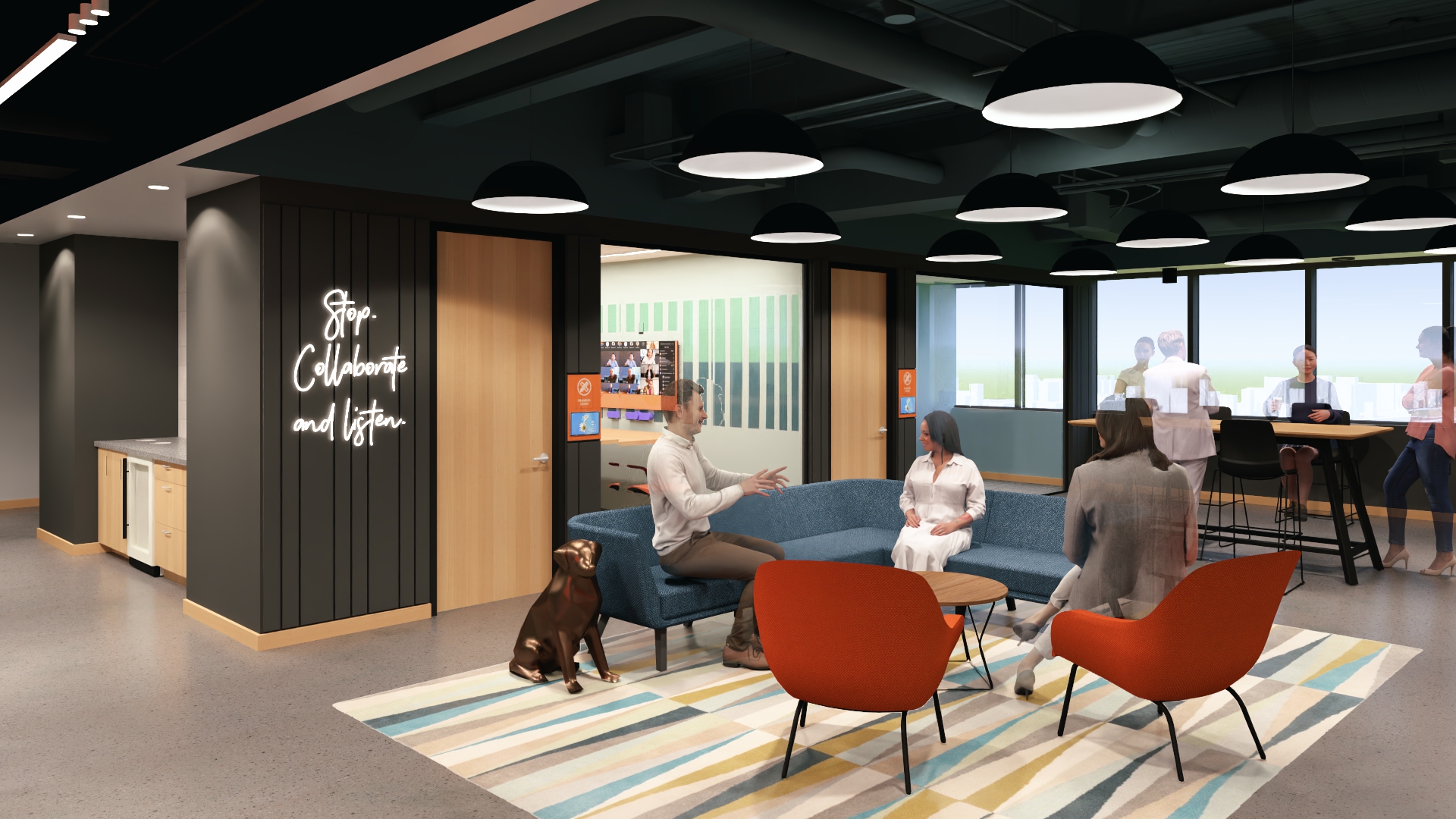
Rendering of Design Collaborative’s renovated Fort Wayne office showing a bright community hub with a long central island, orange seating, round café tables, and a colorful geometric mural along the back wall. People are gathered, talking, and working throughout the space.

Communication Builds Trust—If It’s Done Right

We put a strong emphasis on communication:

  • Milestone email updates
  • Monthly town halls
  • Team-level conversations
  • Open office hours and feedback channels

That consistency helped reduce uncertainty and build trust. But we also learned that how communication happens matters as much as how often.

Employees tend to look to their direct supervisors and peers—not firm leadership—for clarity on how changes affect them personally. That made our team leaders essential in translating broader updates into day-to-day impact.

It reinforced a simple idea: frequent communication is important, but timely and relevant conversations are key.

Engagement Drives Buy-In—But It’s Not Perfect

We made a deliberate effort to involve team members throughout the process. Early user group conversations influenced major decisions, including our flexible neighborhood seating strategy.

Even so, feedback on engagement was mixed.

Some people felt closely involved. Others felt like decisions were already made. Part of that comes with a long project timeline—early input can fade from memory. And in a design firm, expectations for involvement are naturally high.

The lesson is an important one: even with strong engagement strategies, not everyone will feel equally included—and that’s something to anticipate. If we did it again, we would gather more design feedback earlier through town halls and user groups. It’s a step we regularly prioritize with clients, and one we should have applied more intentionally to our own project.

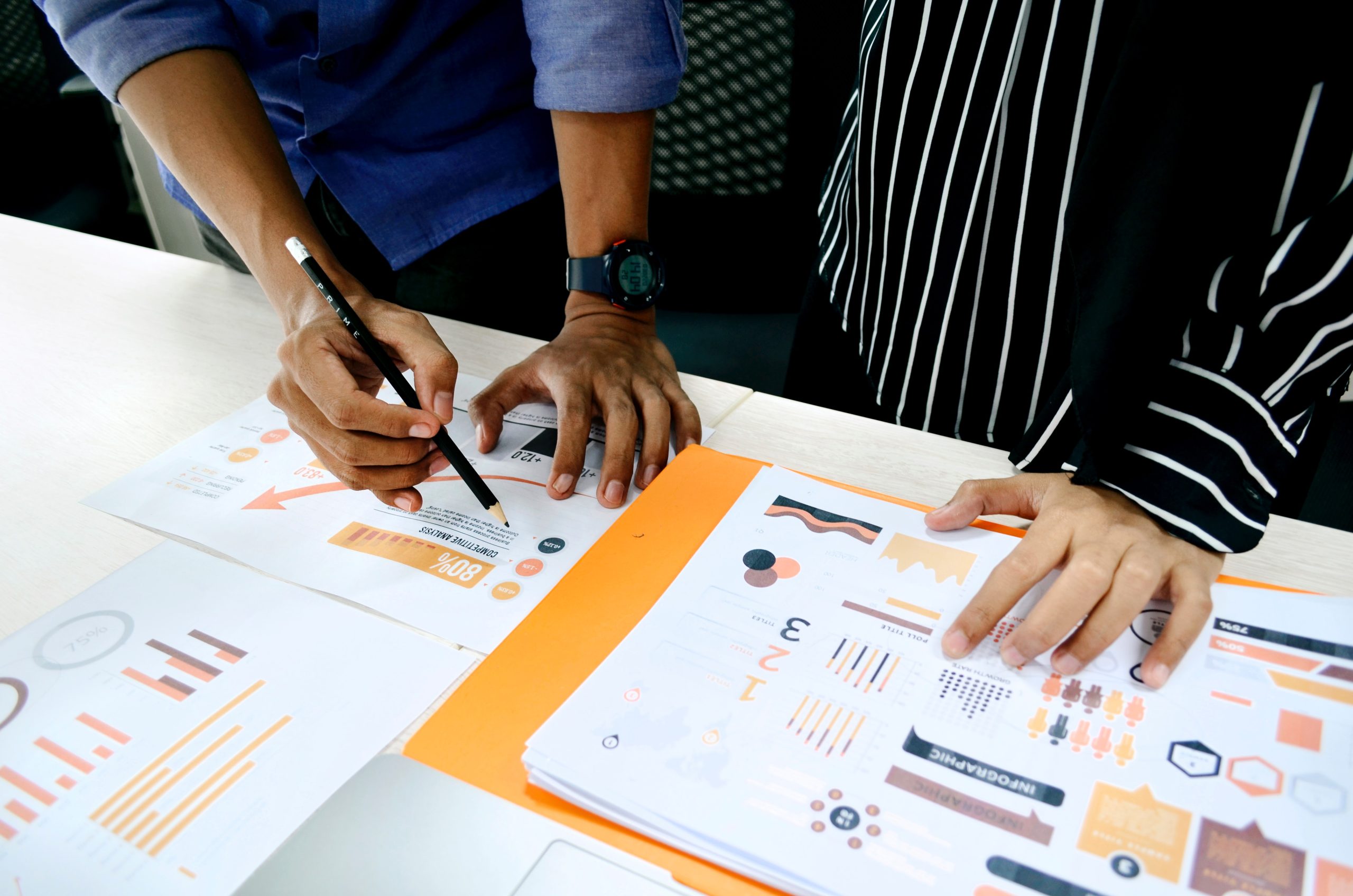
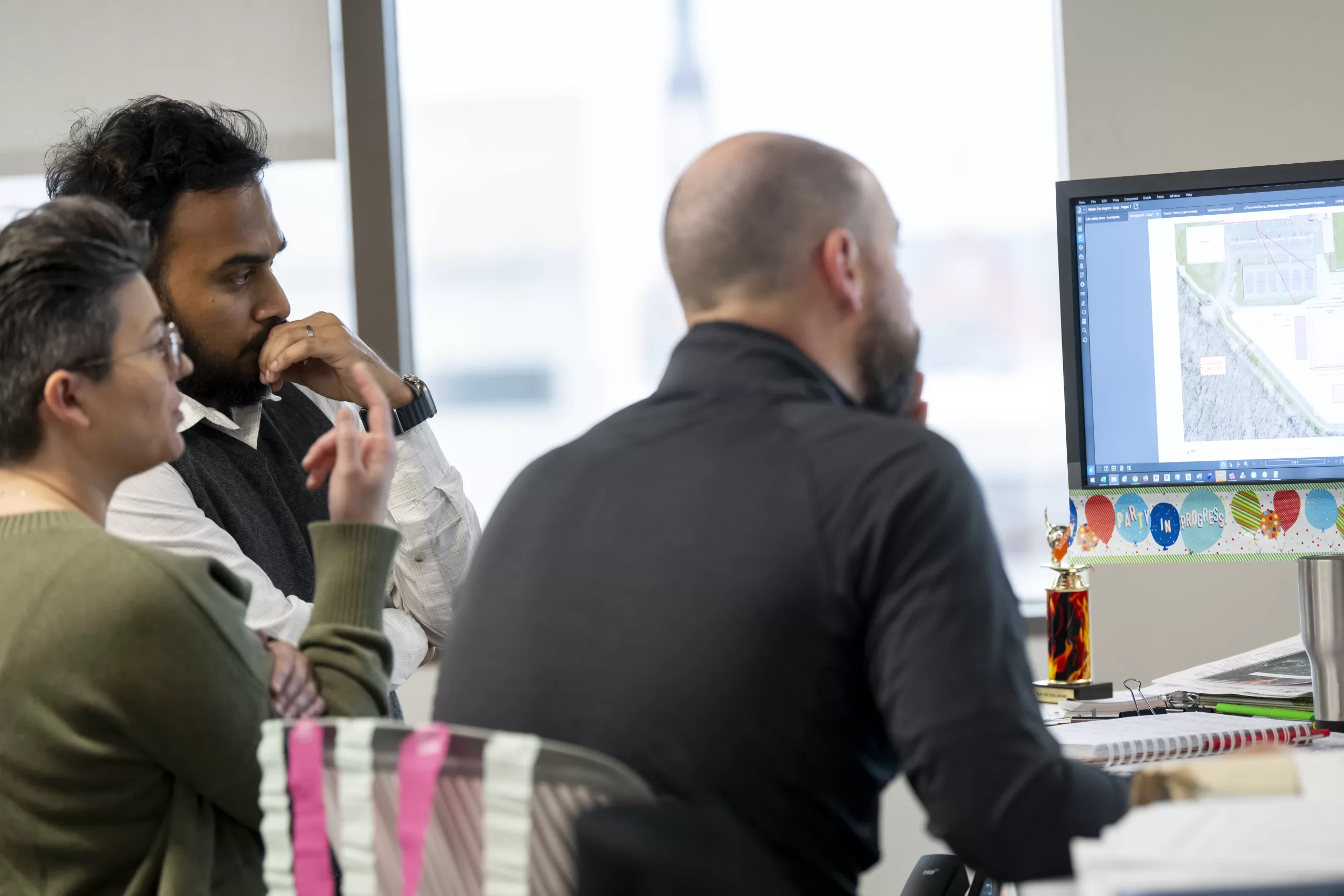
Architects Meeting on Site Plan

Plan for Disruption—Then Assume It Will Take More

Maintaining productivity during the transition was a major concern. Moving to a temporary workspace and then back again introduced layers of disruption.

We worked to identify the biggest risks early—especially around technology, which is critical to our work. Having strong IT and furniture partners and contingency plans helped us avoid major issues.

Even so, it’s easy to underestimate how much time and effort these transitions require.

If we were advising a client, we’d emphasize planning for that disruption more explicitly—whether that means adjusting workloads, building in buffer time, or assigning clear ownership to key transition tasks.

Test What You Can Before It’s Final

Some of our most valuable insights came from unplanned testing.

Our temporary workspace became a live experiment in new ways of working, particularly unassigned seating. It wasn’t perfect, but it gave us a chance to observe behaviors, identify challenges, and adjust expectations before moving into our finished space.

By move-in, those concepts were familiar rather than entirely new.

For organizations considering significant shifts in workplace strategy, even small pilots can make a meaningful difference.

Move-In Is Just the Beginning

It’s easy to think of move-in day as the finish line. In reality, it’s the start of adoption.

We spent months preparing for the transition but just as much effort is required afterward. Orientation sessions, user guides, and ongoing support all help people settle in.

Even simple things—like walking through how to use a space while standing in it—land differently than hearing about them in a presentation while looking at a floor plan.

Adoption doesn’t happen automatically. It requires reinforcement.

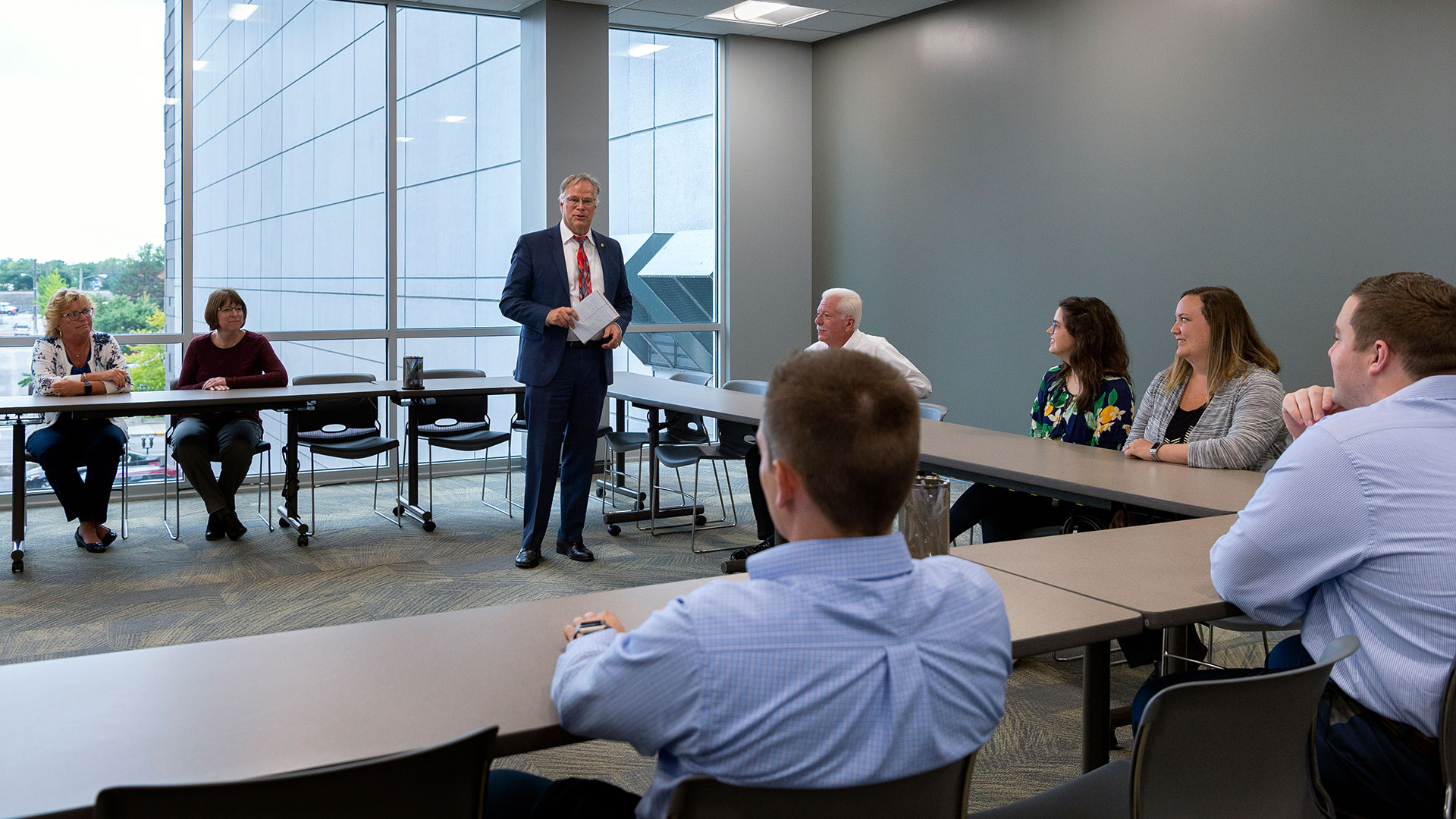
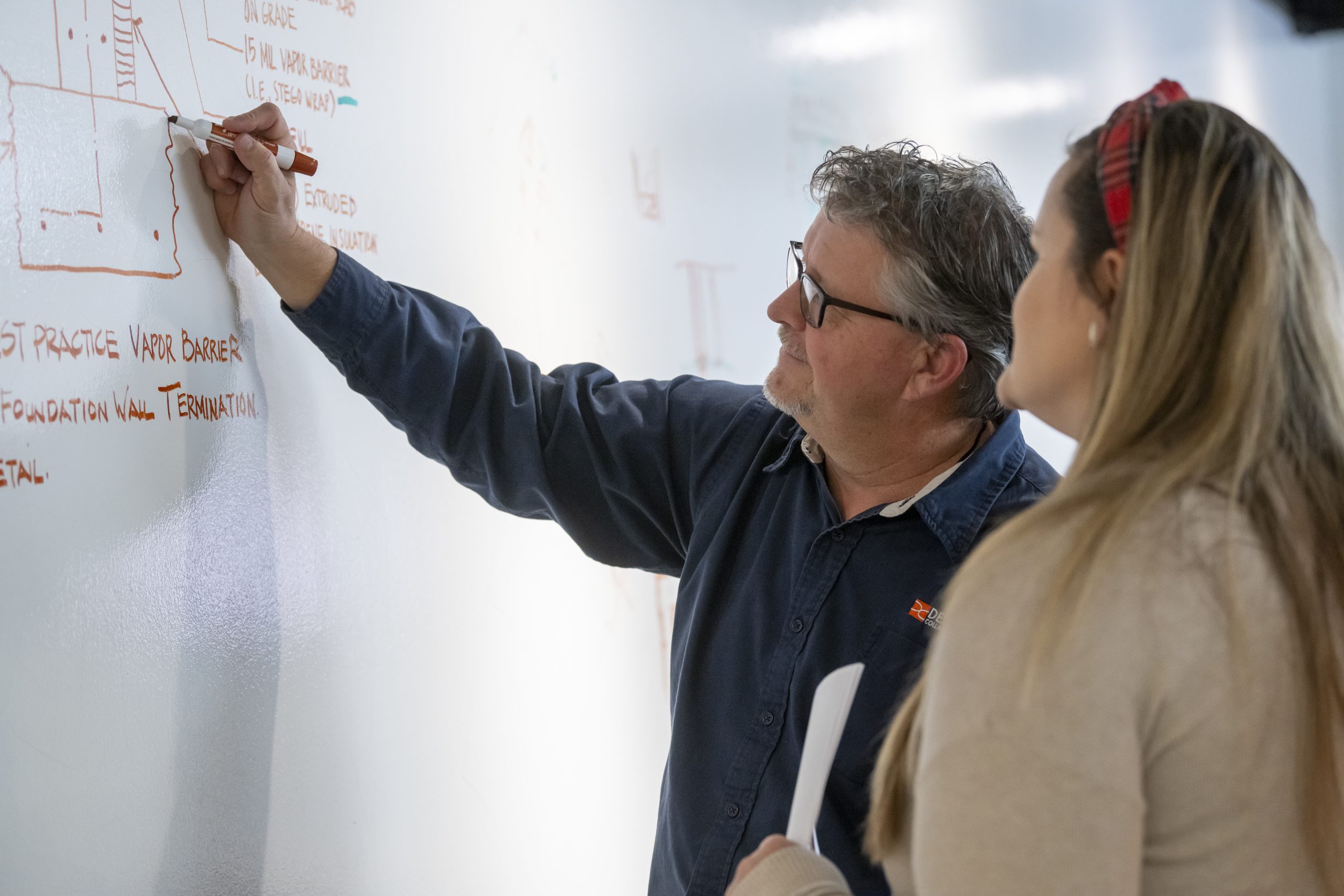
Team meeting in conference room

What We’d Do Differently—and What We’d Repeat

Looking back, there are clear things we’d refine:

  • Start structured change management earlier in the process
  • Assign clearer ownership to non-design responsibilities (i.e., technology, audio-visual, moving logistics, self-installed items)
  • Plan more intentionally for disruption and transition time

At the same time, there are elements we would absolutely carry forward:

  • Frequent, timely transparent communication
  • Engaging multiple levels of leadership as change champions
  • Defining success in terms of people, not just project metrics
  • Continuing support well beyond move-in

The Bigger Takeaway

Every renovation introduces change, whether it’s planned for or not.

The difference is whether that change is left to chance or managed with intention.
Our experience reinforced something we can bring into every client conversation: a well-designed space can support better ways of working, but it doesn’t create them on its own. That only happens when people understand the change, feel part of it, and are supported through it.

Because in the end, renovation success isn’t measured the day construction wraps up.

It’s measured in what happens after.

Planning a renovation of your office? The design is only part of the equation—how your team experiences and adopts the change is what determines long-term success. Connect with our team to start a conversation about your workplace transformation.

Copyright ©2026 Design Collaborative