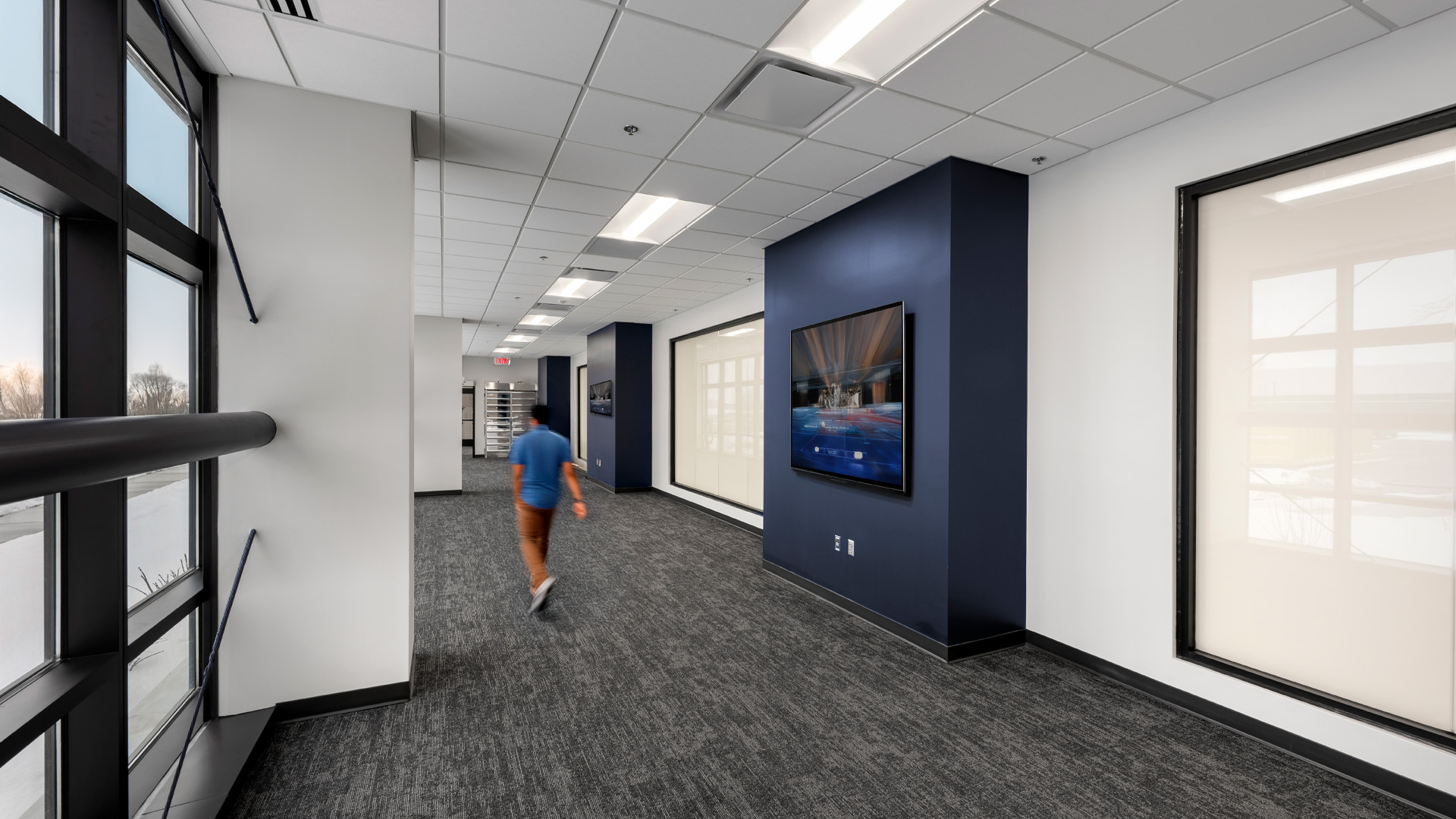
People-First Workplaces and Employee Engagement
By Kelli Warner Rebecca Welch, SHRM-CP
December 1, 2025Post Tagged in
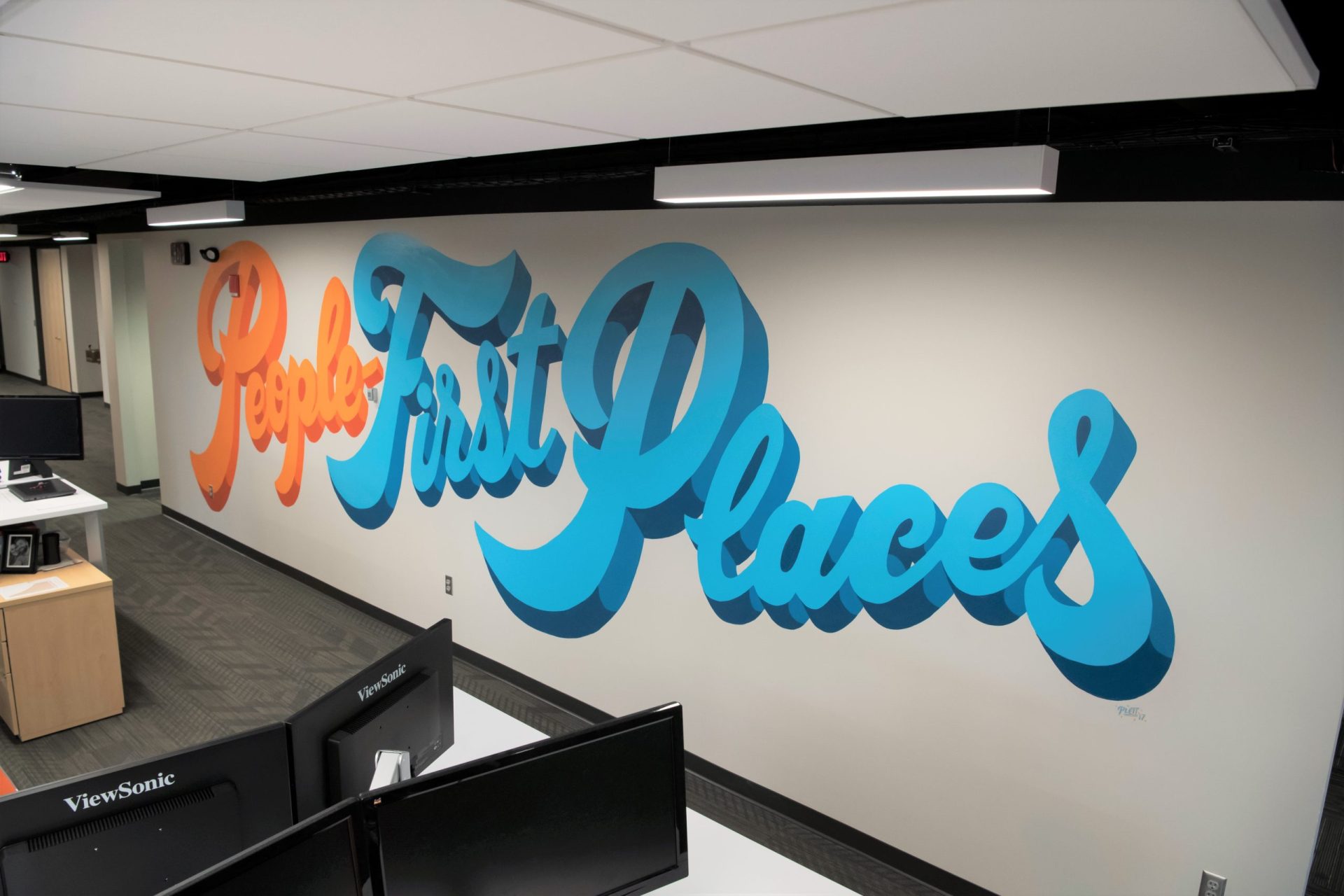
At Design Collaborative, we often say that people are at the center of everything we do—because they are.For decades, we’ve helped organizations design workplaces that empower people to do their best work. At the same time, we’ve been equally committed to cultivating a people-first environment within our own walls. A people-first workplace puts people at the center of every decision, creating an environment where everyone can thrive. It starts with understanding individuals: how they work, what motivates them, and what support they need. When organizations prioritize the human side of work, great work follows. |
|
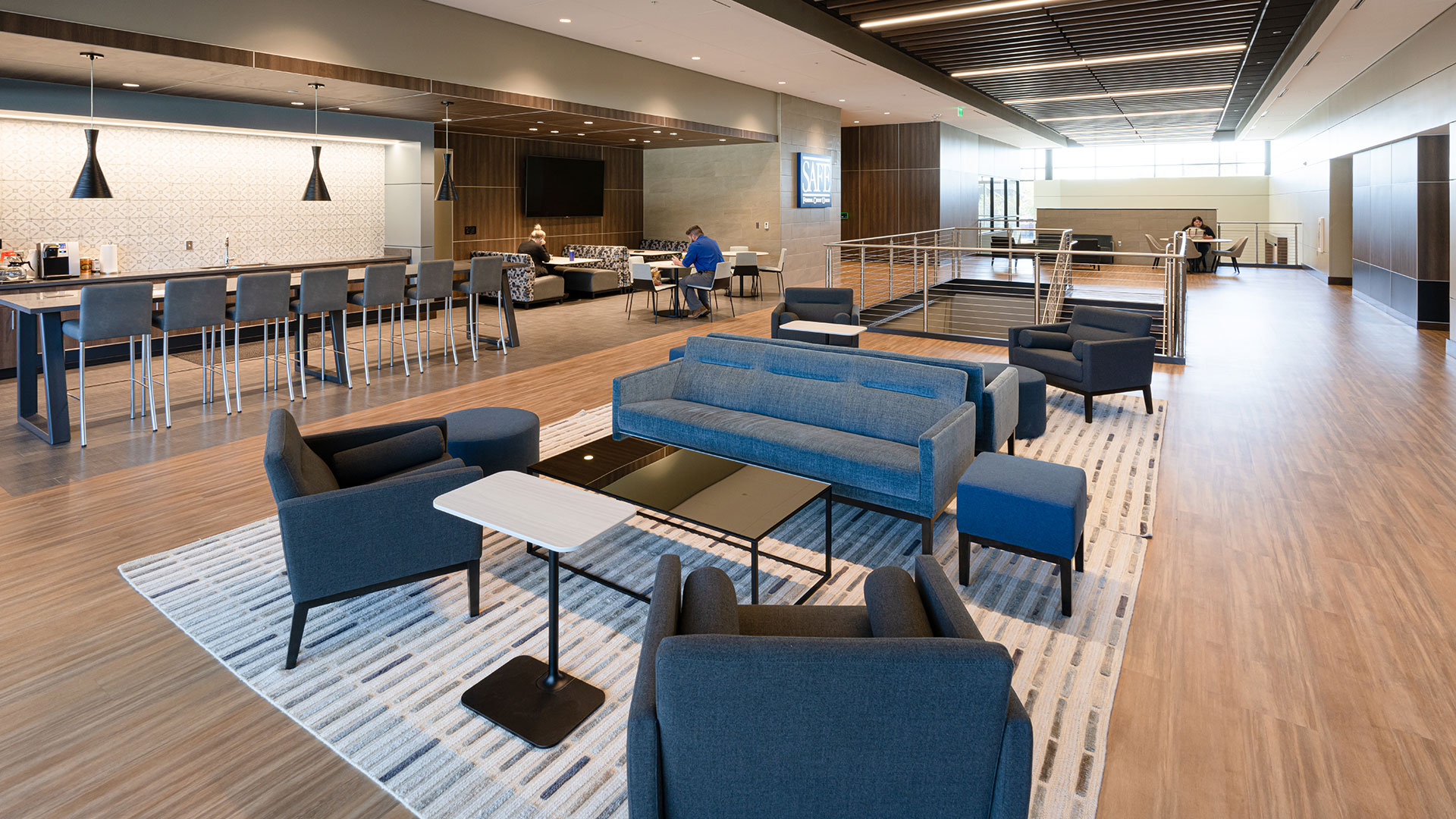 |
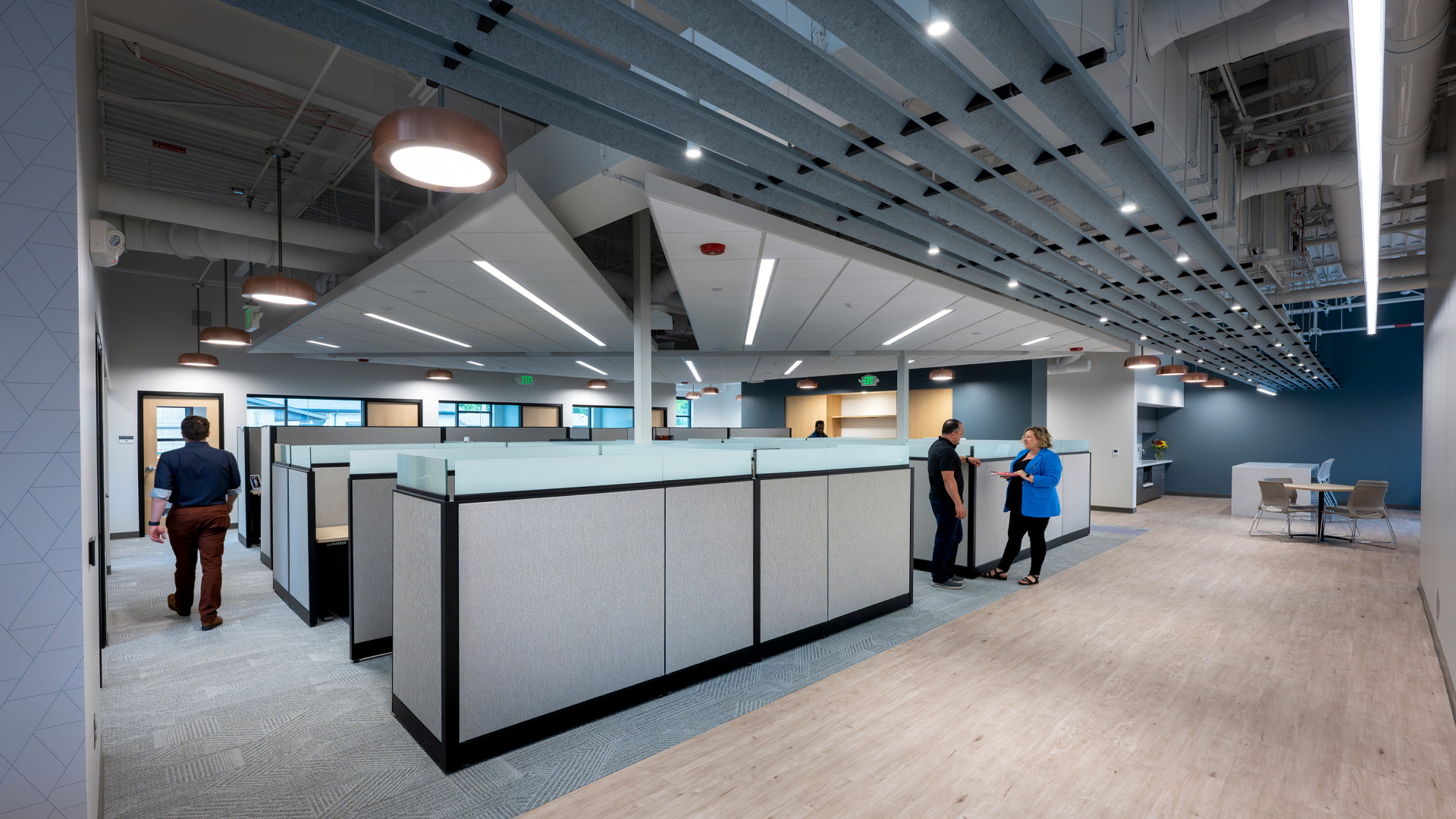
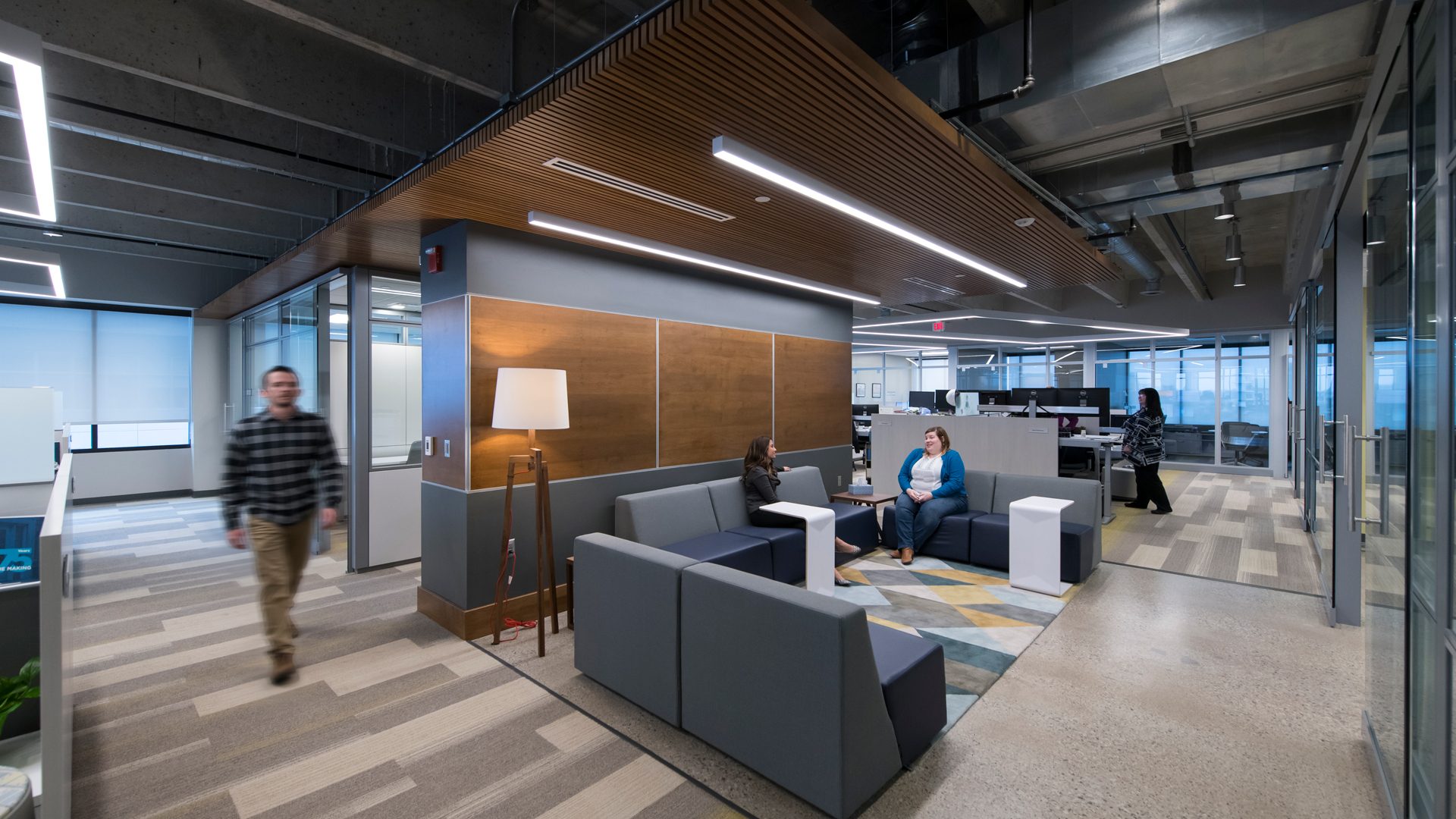
The Design Perspective: Creating Spaces That Support PeopleA space can’t truly support people unless it recognizes that employees work differently—and that a one-size-fits-all environment simply doesn’t reflect the workforce we see today. A people-first workplace begins with understanding individual needs and intentionally creating conditions where people can do their best work. Choice, Control, and ComfortOne of the biggest lessons from the COVID pandemic was the realization that employees thrive when they have control—over noise levels, lighting, temperature, posture, movement, and even the number of screens they use. At home, people built spaces that worked for them; returning to the office made many aware of what they needed to be productive. That awareness has reshaped workplace priorities. Organizations are now investing in:
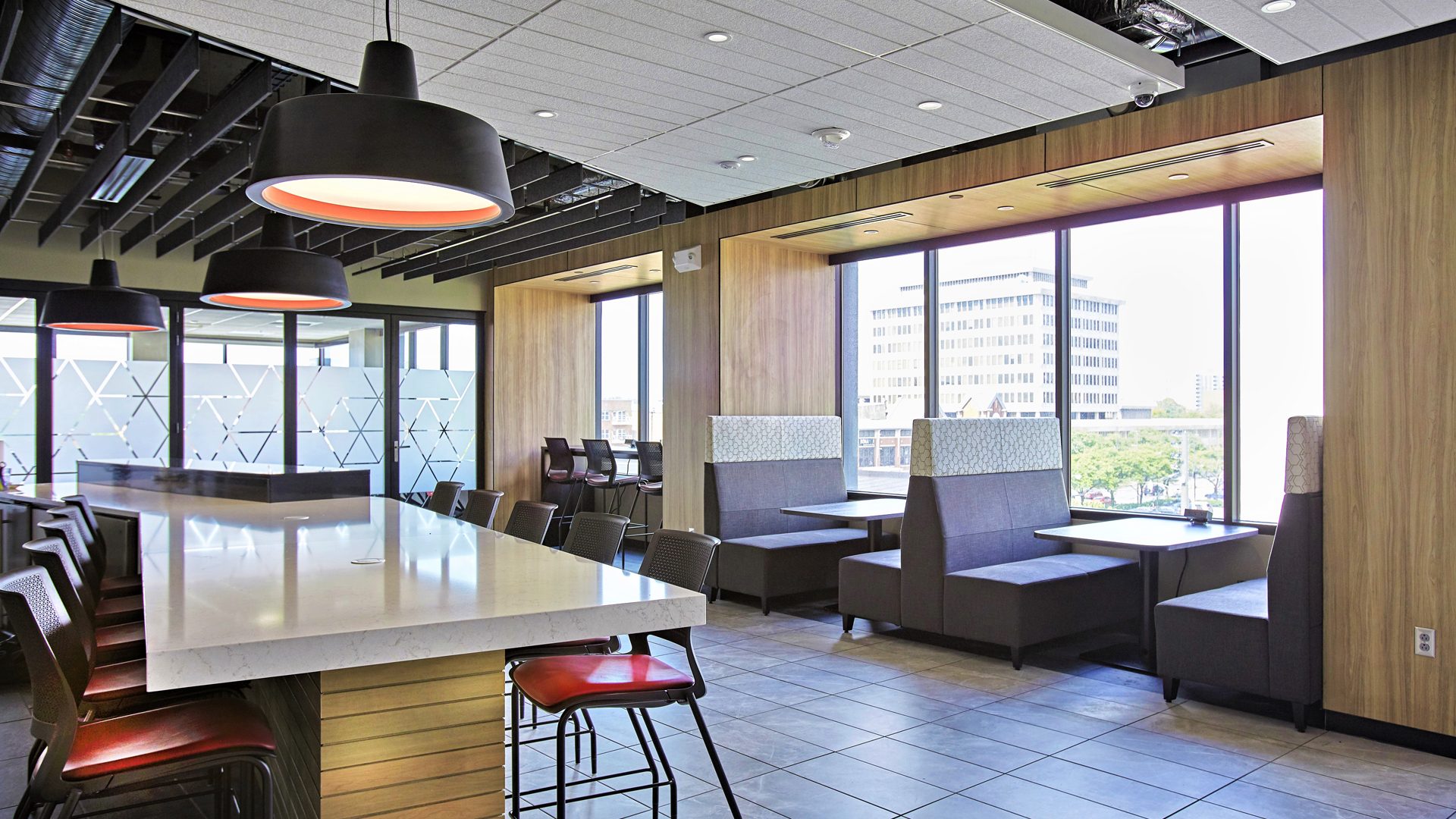
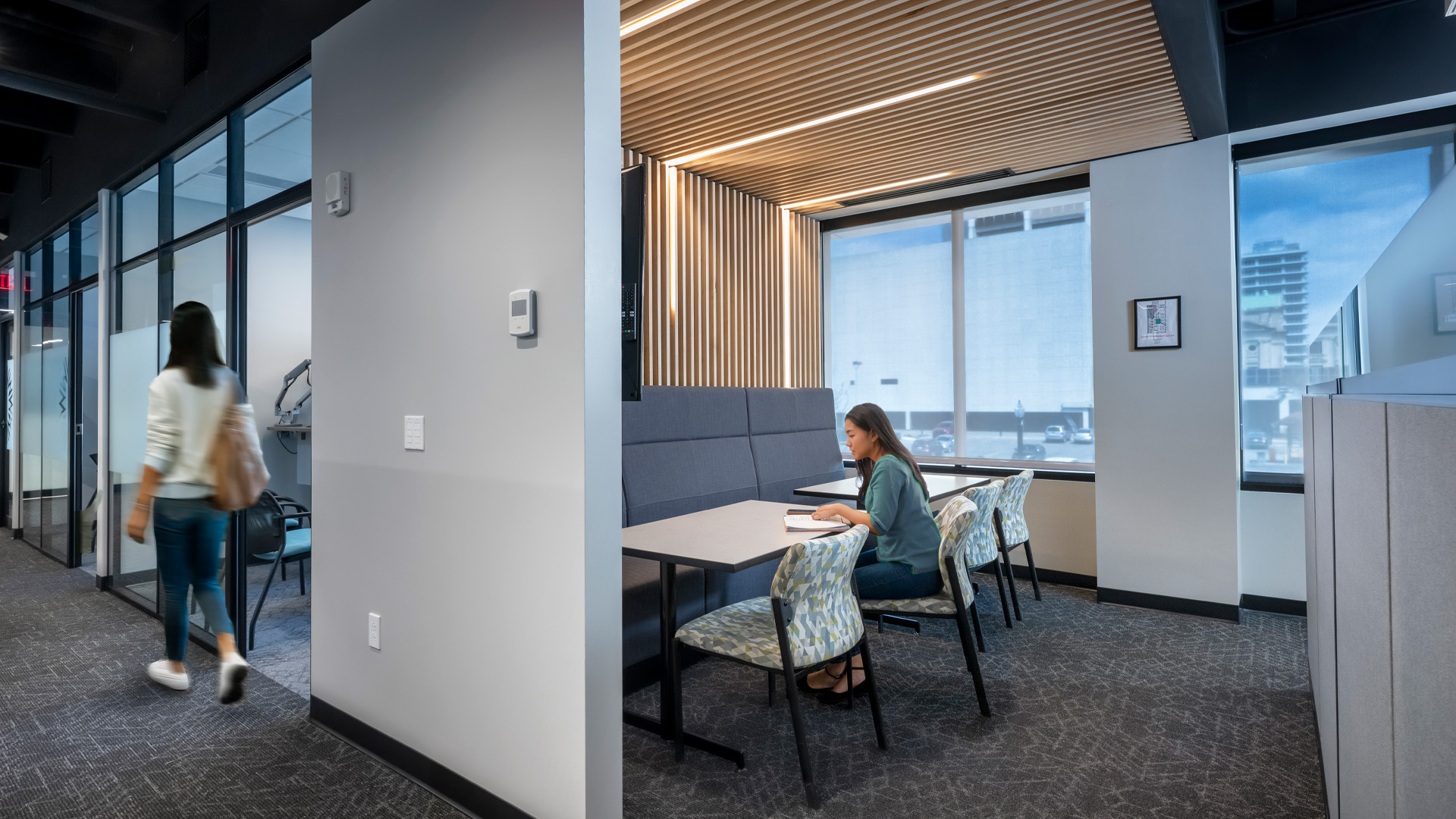
In the next five years, these ideas will only accelerate. Workplaces will become more personalized and adaptive, with modular layouts that can shift as teams and patterns evolve. Flexibility won’t be a perk. It will be the standard. Well-Being as a Workplace EssentialAnother shift is the rise in the focus on mental health and wellness. Well-being is no longer an add-on. It’s an expectation. Natural light, acoustics, air quality, ergonomics, and restorative spaces are becoming non-negotiables. Wellness rooms provide a place to decompress or reset, while mother’s rooms and other specialized spaces support employees navigating life stages. These design choices help people feel seen, supported, and respected. Increasingly, organizations are also using feedback and space-use data to understand how people feel in the environment and adjust accordingly. The most effective workplaces will evolve alongside their teams. |