Building Tomorrow’s Charlotte: Regional Leaders on Navigating Growth, Winning Talent, and Shaping the Future
By Allen Clark
December 1, 2025Post Tagged in
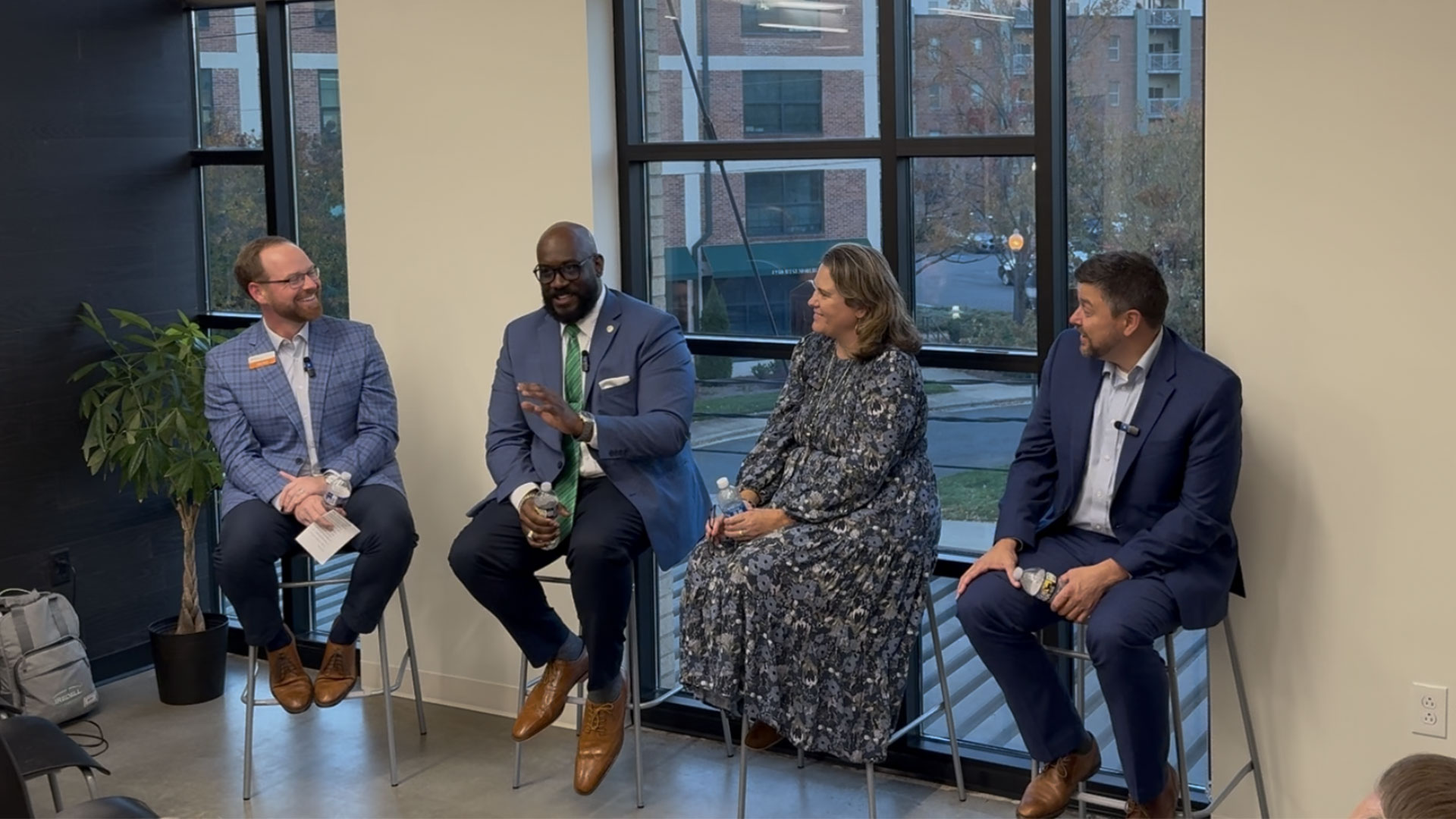
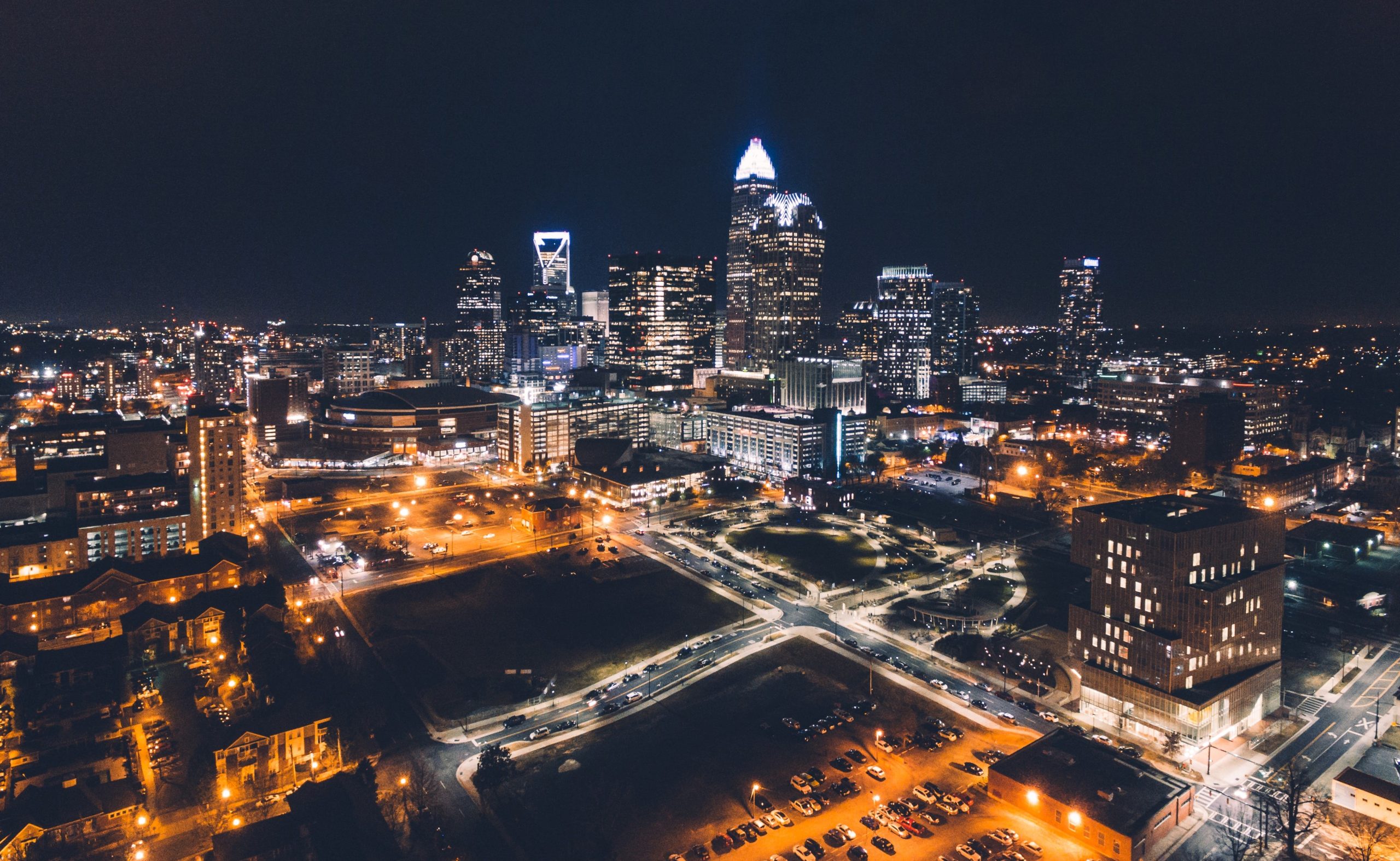
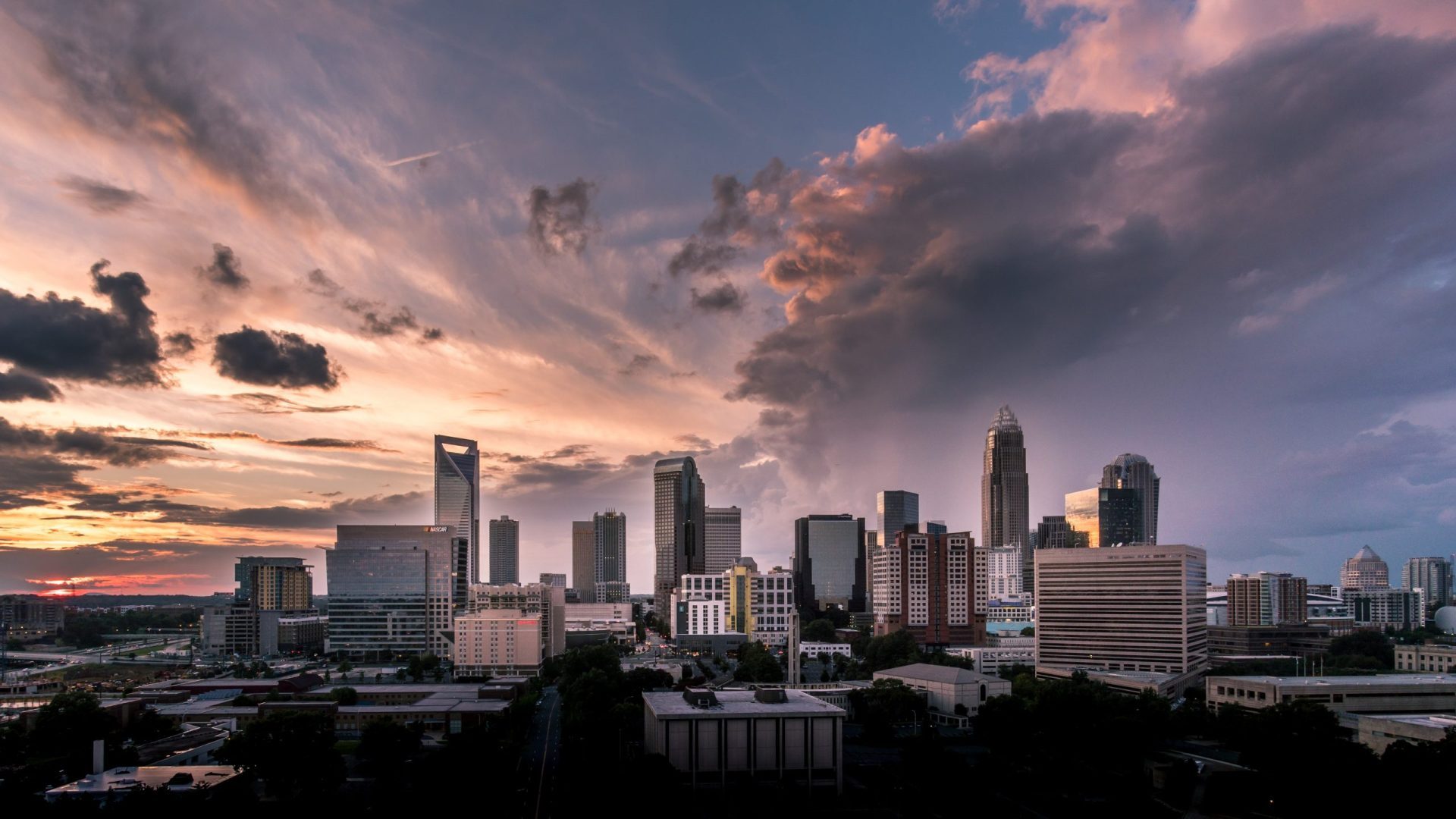
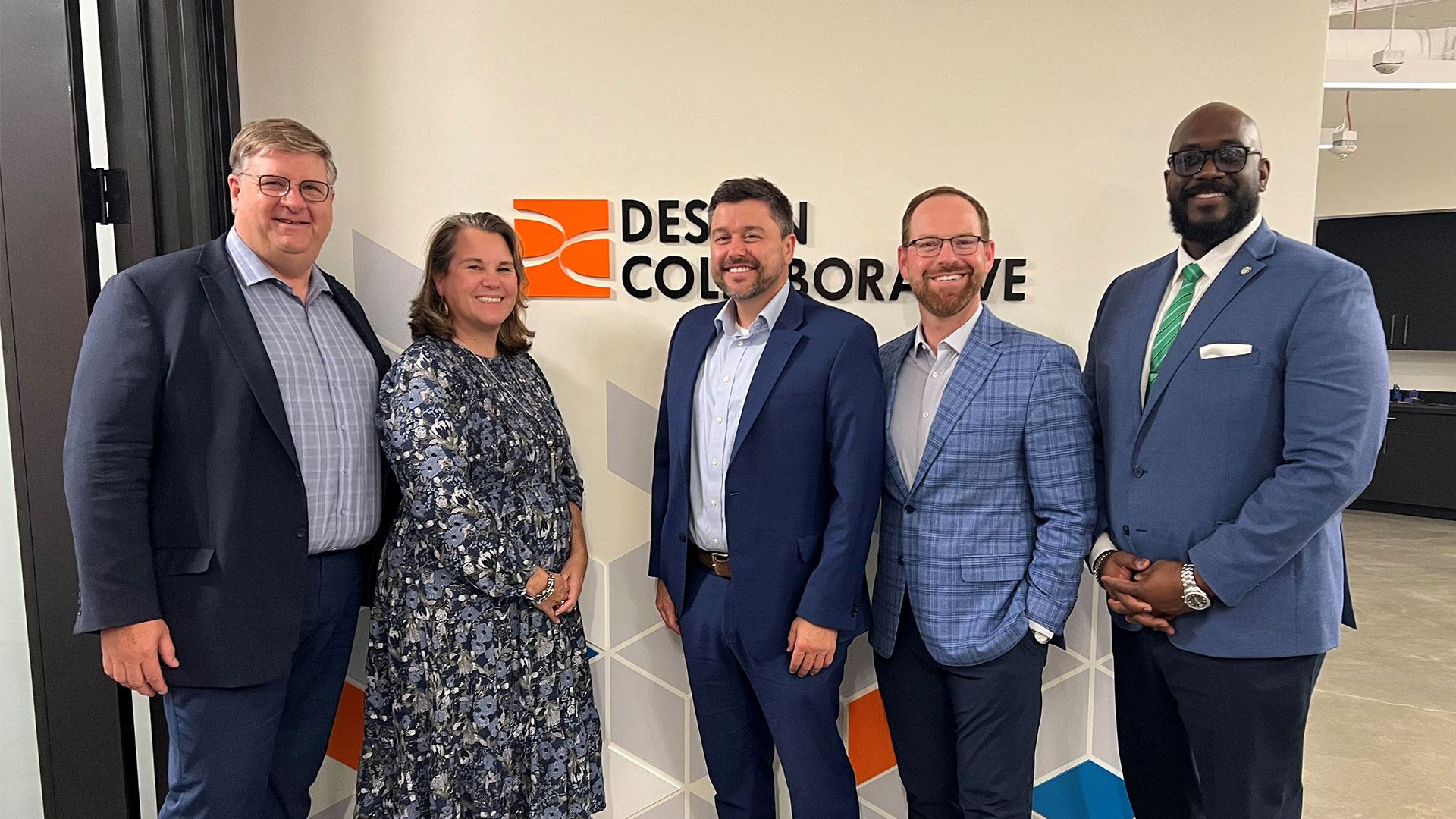
How is Charlotte being intentional with the 157 people who move to the region daily? Design Collaborative (DC) recently brought together top economic development leaders from the City of Charlotte, Iredell County, and York County to discuss what it takes to grow smart, attract talent, and plan for the future. The takeaway? Collaboration is Charlotte’s superpower. |
|
|
Allen Clark, Design Collaborative: The Charlotte region is growing fast—nearly 157 new residents every day. What does that feel like on the ground? Jenn Bosser, Iredell County Economic Development Corporation: The growth is tremendous. In Troutman, property tax value is up 199% in five years. Statesville’s population, flat for decades, is now climbing. The toll road opened access to northern areas, and people realized how close they really are to Charlotte. We’re working to bring in high-paying jobs so people can thrive. It’s about preserving that small-town feel while being part of a major metro. You can still live on a farm in Mooresville and enjoy a downtown lifestyle. Mitch Miller, York County Economic Development: We feel it every day. We’re seeing growth spread into our more rural areas, like Clover and York, which has grown about 20% in the last two years. With that comes growing pains, so we’re being intentional with mobility. Not light rail, but trails and connectivity. Project “Trail Mix” is about connecting trails across York County and creating a seamless connection into Charlotte-Mecklenburg so people can live, work, and play without ever getting in their car. |
|
Clark: The transportation referendum passed in November, dedicating significant funding to transit and infrastructure. It’s been called a “transformative moment.” What does it mean for Charlotte? Shahid “Sha” Rana, City of Charlotte: This is the golden era of a great American city. We’re home to nearly a million people, a mega international airport, an R1 university, an HBCU, a four-year medical school, and major professional sports teams. The ability to deploy nearly $19.4 billion over 30 years in transit and infrastructure ties the region together. About 40% will go towards roads, 40% towards rail, and 20% towards buses. This promotes quality of life, but it also creates a steady pipeline of projects for local contractors and small businesses. It helps us think and act like the world-class city we are becoming. |
 |