Big impact. Smaller investment. Stronger student experience.

Colleges and universities everywhere are being asked to do more—with less. Enrollment pressures, aging facilities, deferred maintenance, and rising construction costs are all converging at once.

New buildings often feel like the solution, but in many cases, the most impactful opportunities aren’t found in new construction. They are already sitting inside your existing campus.

Well-executed renovations and adaptive reuse projects can deliver faster timelines, lower costs, and immediate improvements to the student experience. And they don’t come with the disruption of major capital projects.

Here are five ways to start unlocking the hidden value around your campus.

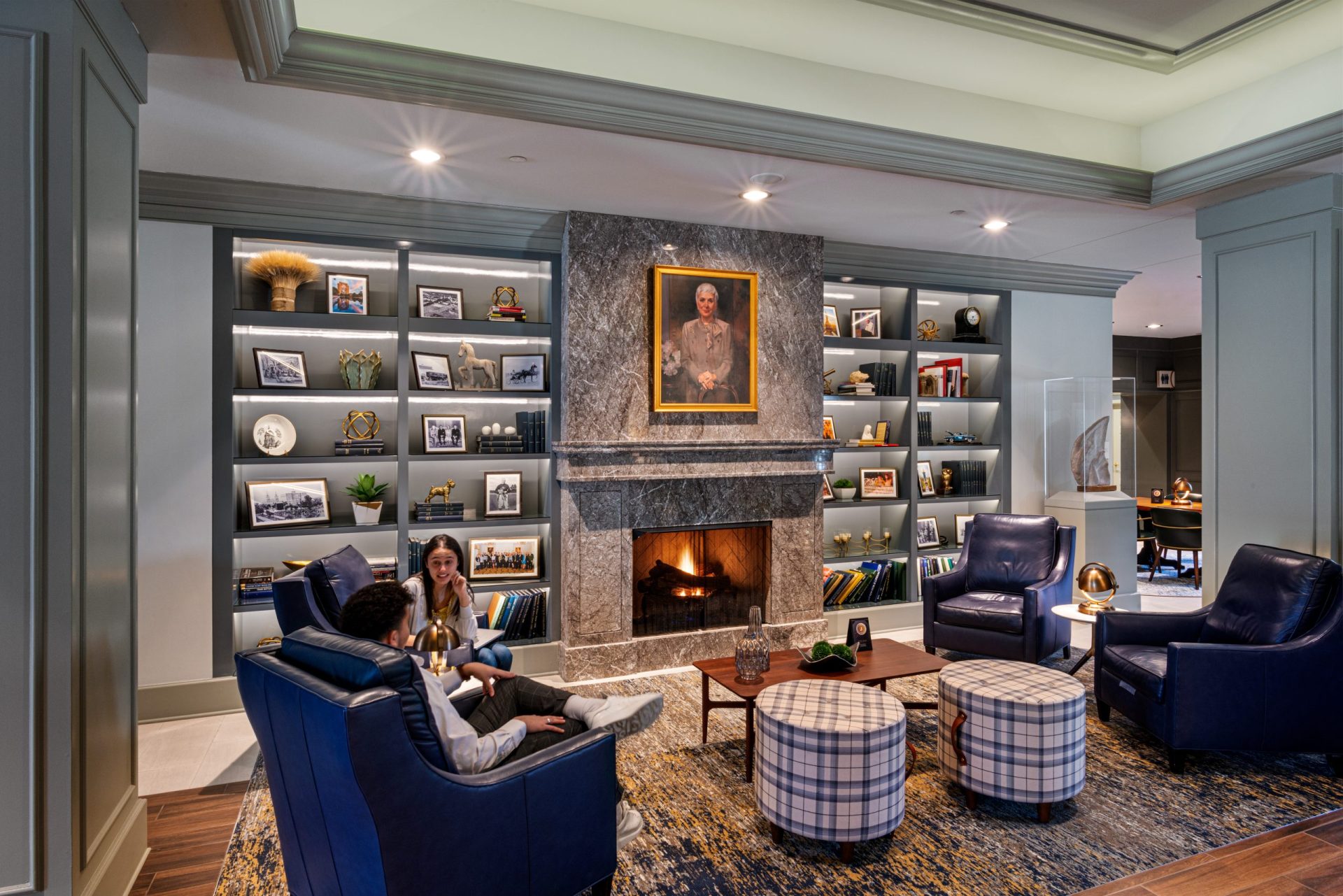
University of Notre Dame Morris Inn Lounge

1. Reclaim Underutilized Campus Space

Your next “new” building might already exist.

As enrollment shifts and pedagogy evolves, many campus leaders are finding that their biggest opportunity lies in spaces that no longer serve their original purpose.

Creative transformations are happening across campuses, including:

  • Dorm rooms → music practice suites
  • Racquetball courts → motion capture labs
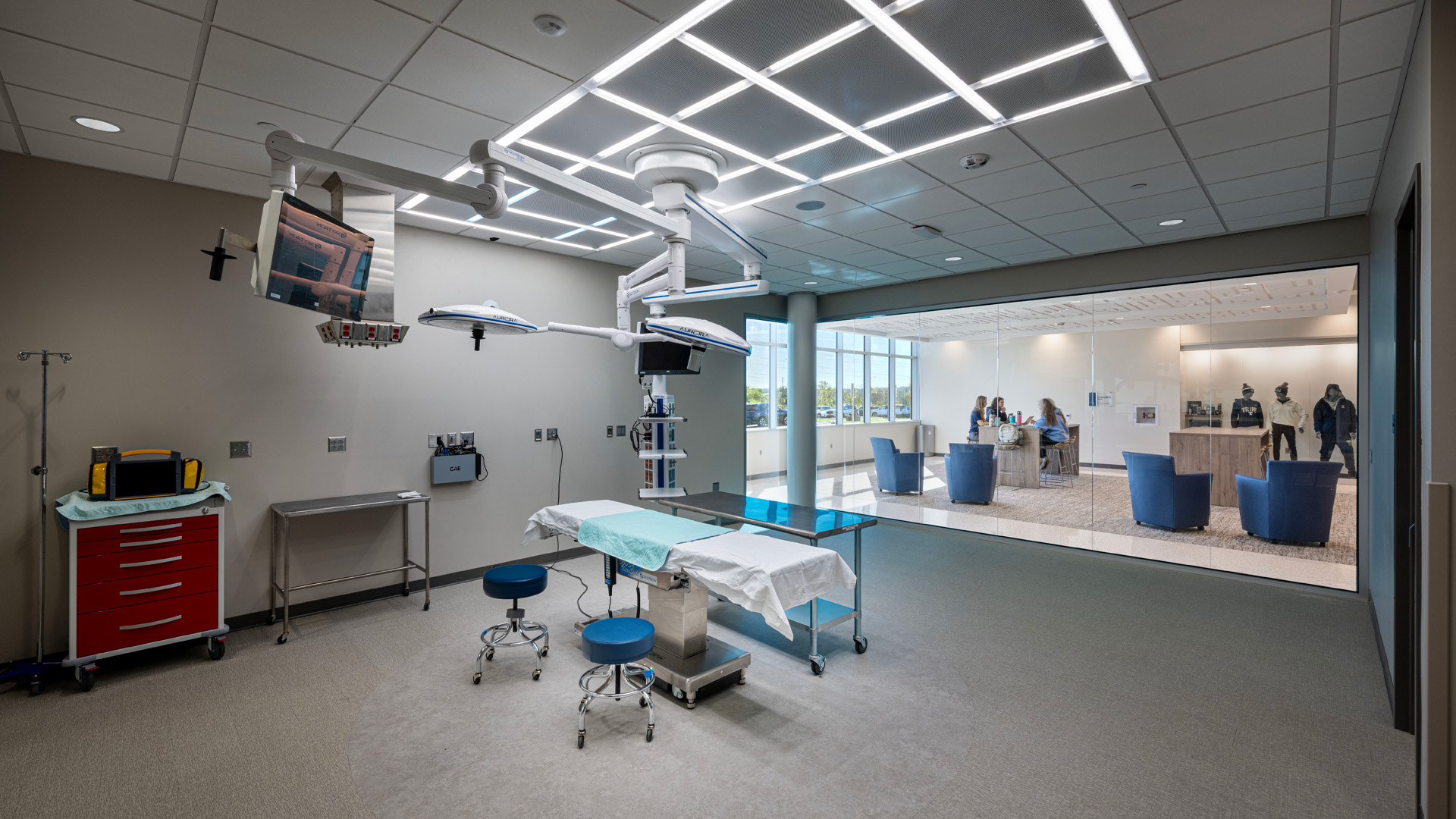
  • Vacant offices → clinical training environments
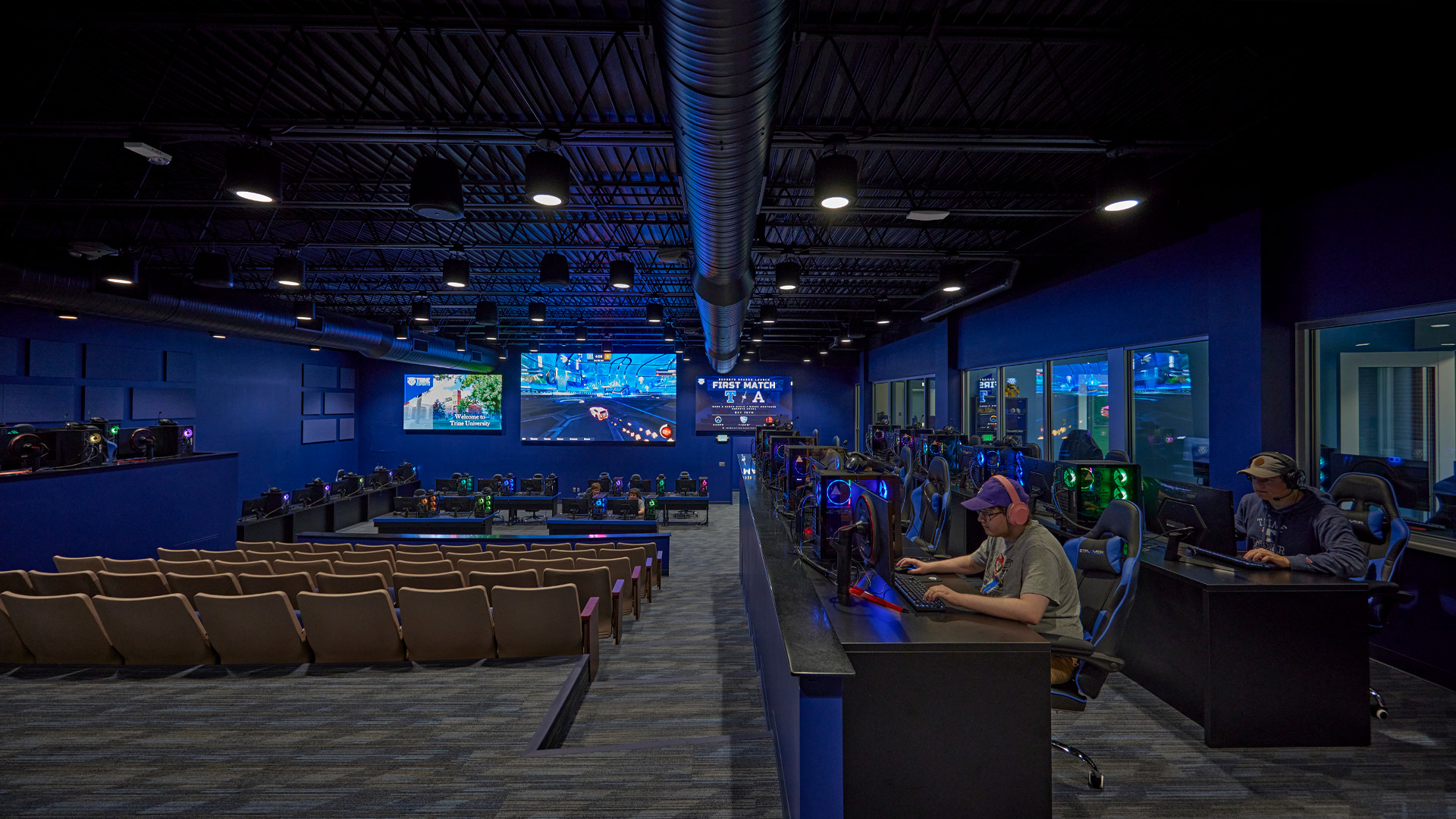
  • Basement spaces → esports hubs
  • Student lounges → makerspaces and interdisciplinary studios
  • Residence hall → health science classrooms and labs

The takeaway is simple: campus buildings are more adaptable than we often assume.

Rather than asking “What should we build next?” start with: “What could this become?”

This thinking extends beyond higher education and into college-prep and independent schools as well, where flexibility, student engagement, and program differentiation are increasingly critical.

2. Elevate First Impressions

Recruitment starts the moment someone arrives on campus.

From prospective students to visiting families, first impressions shape perception instantly.

Small upgrades can deliver outsized impact and dramatically change a visitor’s first impression before they ever step inside a building. This includes:

  • Improved exterior lighting and signage
  • Refreshed building entries and doors
  • Updated landscaping and walkways
  • Subtle façade enhancements

Inside, simple updates like paint, flooring, ceilings, and natural materials can shift a space from dated to intentional and create a more welcoming environment.

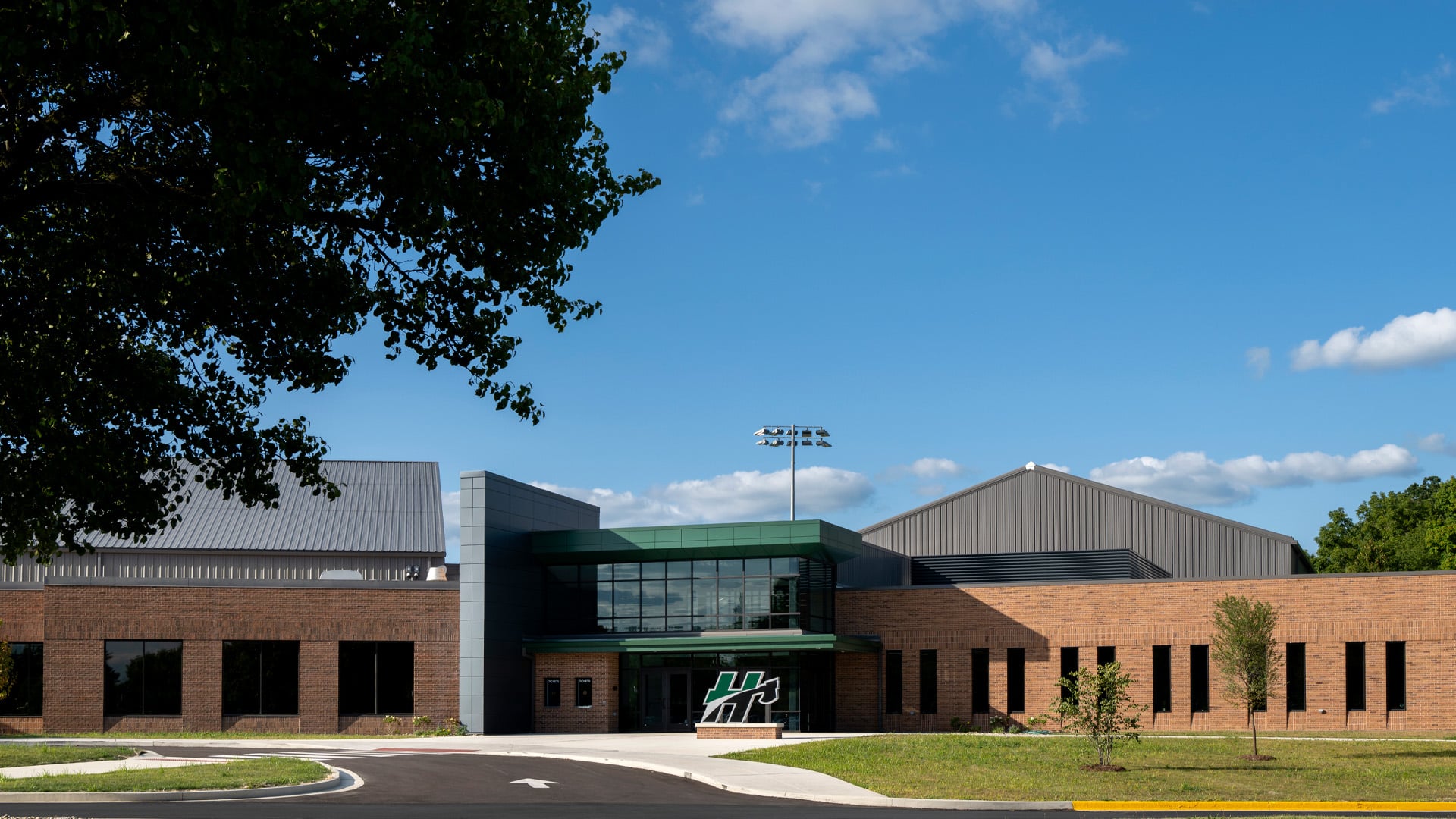
Athletic facility exterior with HU logo.

3. Enhance the Student Experience

The best improvements aren’t just visible—they’re felt.

Students experience your campus every day, and small friction points add up quickly.

High-impact upgrades often include:

  • Lighting improvements — Transitioning to LED systems, incorporating layered lighting strategies, or adding occupancy controls can improve visual comfort, support focus, enhance safety, and reduce energy costs.
  • Restroom renovations — Updating fixtures, partitions, lighting, and finishes can significantly improve perceptions of cleanliness and quality while addressing maintenance and accessibility concerns.
  • Increased access to natural light — Enlarging openings, introducing skylights or solar tubes, incorporating glass interior doors, or replacing solid walls with glazed partitions can create brighter, healthier, and more inviting learning environments.
  • Acoustic, storage, and study enhancements — Improved storage solutions, acoustic ceiling treatments, accent lighting, and strategically placed gathering or study spaces can increase functionality while making spaces more comfortable and welcoming.

These may not be headline-grabbing projects, but they directly influence student satisfaction, retention, and campus pride.

4. Build Flexibility Into the Campus Experience

Because student needs—and learning models—keep evolving.

Today’s campuses need to support:

  • Collaborative learning
  • Hybrid instruction
  • Interdisciplinary programs
  • Informal gathering and study

That doesn’t require new buildings. It requires adaptable spaces. Movable partitions, flexible classrooms, touchdown and collaboration zones, and quiet/focus pods allow colleges and universities to respond to evolving demands without extensive remodeling or building.

Layer in smart systems, including lighting controls, occupancy sensors, and HVAC optimization, and the benefits multiply:

  • More efficient operations
  • Lower energy costs
  • Greater responsiveness to changing needs

Flexibility isn’t just a design move. It’s a long-term strategy.

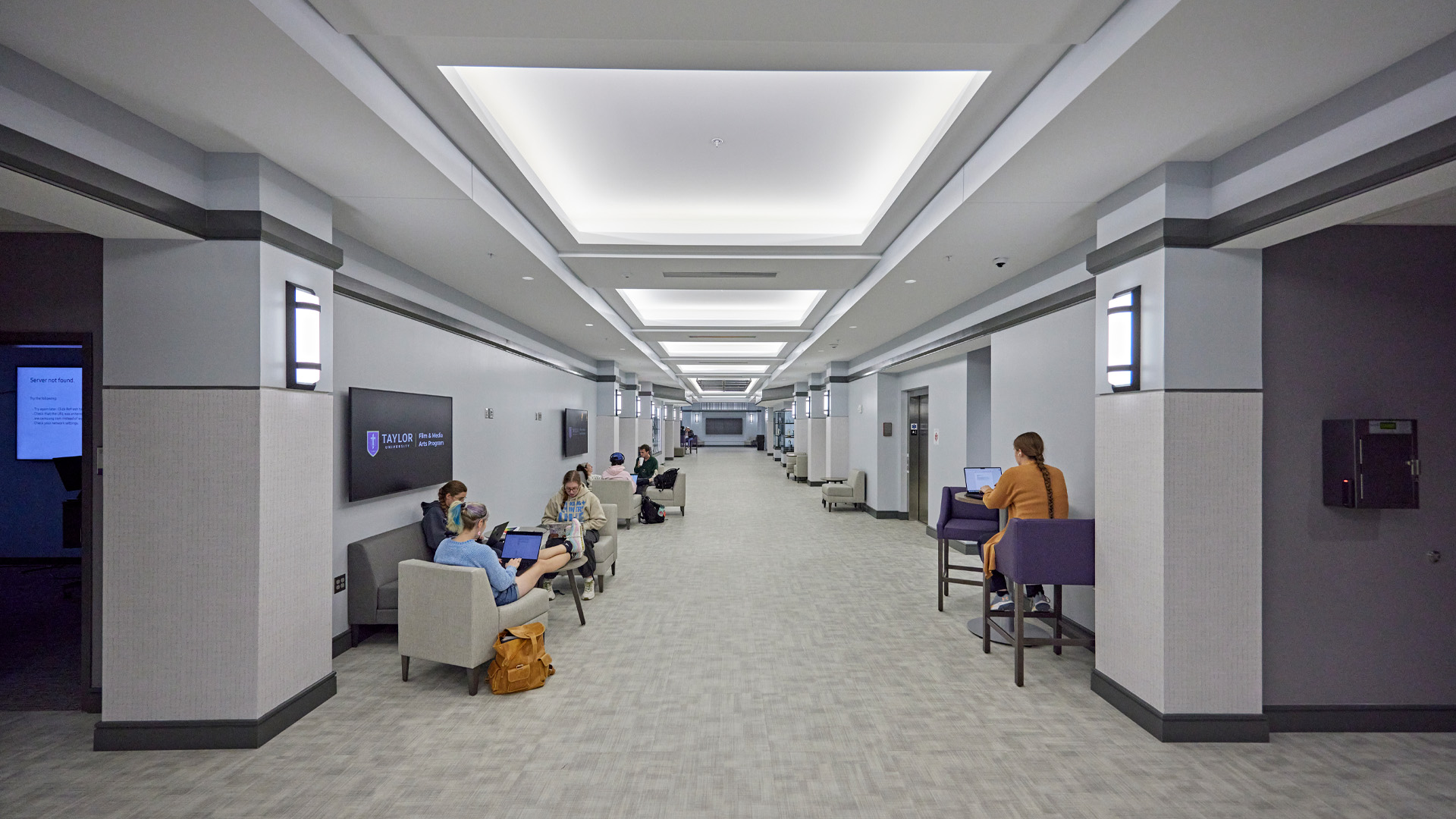
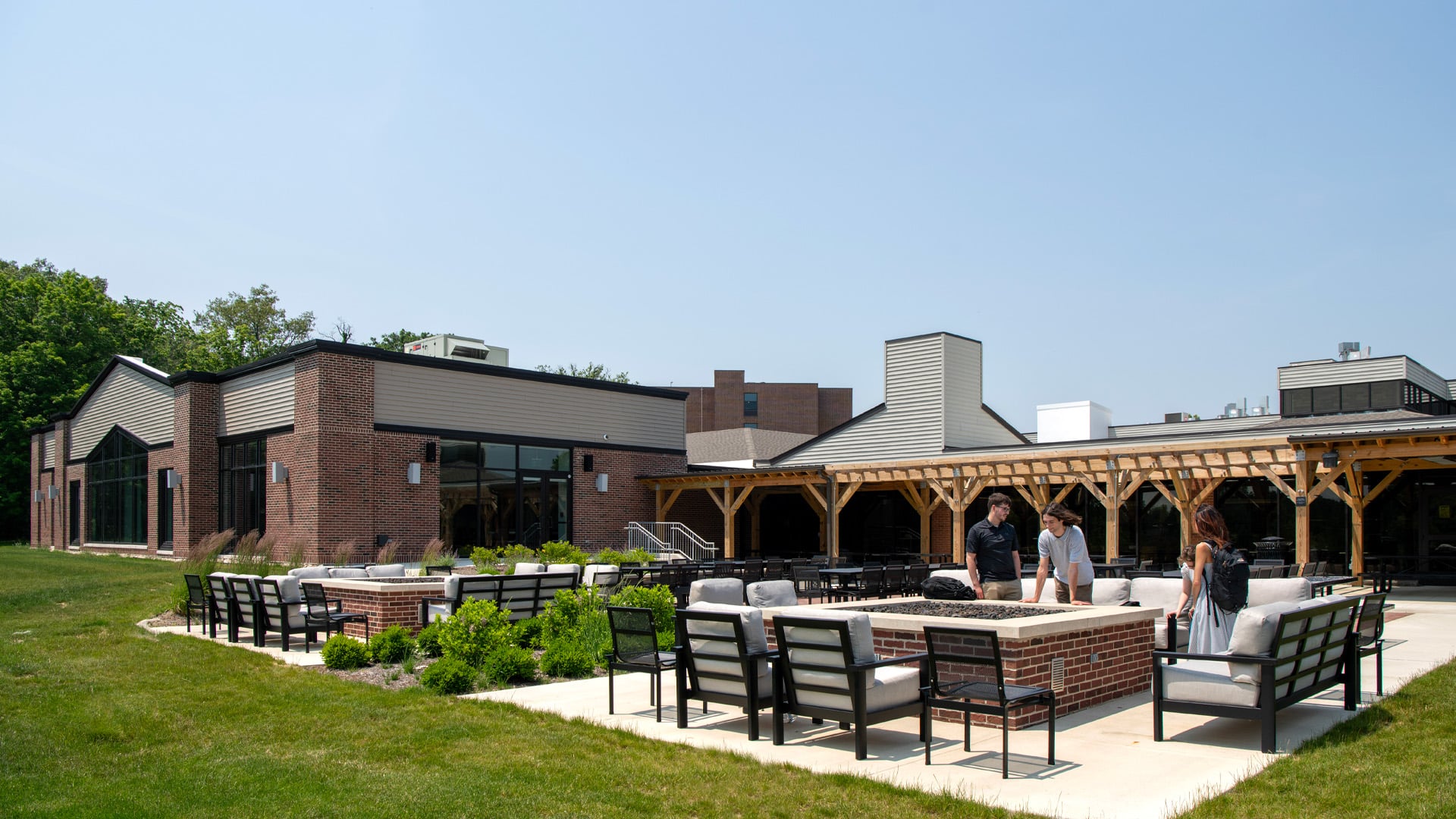
Taylor University Horne Academic Center hallway Students relaxing in the outdoor seating of Taylor University's Hodson Dining building.

5. Focus on High-Impact, Strategic Investments

It’s not about doing more. It’s about doing what matters most.

Some of the most successful campus improvements are also the most targeted:

  • A refreshed campus entry that strengthens institutional identity
  • A repurposed room that supports a new academic program
  • A lighting upgrade that reduces operating costs
  • A reimagined student space that increases engagement
  • These focused interventions often outperform larger, more complex projects because they solve real, immediate needs.

Smart investments create momentum, and momentum drives transformation.

The Bottom Line

In an environment where colleges and universities are expected to improve student outcomes, strengthen recruitment, and maximize every dollar, the most strategic move may not be building new space. It may be using existing spaces better.

Every campus has underutilized potential. The key is knowing where to look and how to unlock it.

Ready to take a fresh look at your campus? If you’re exploring ways to improve student experience, support evolving programs, or make smarter use of your campus assets, connect with our team to start a conversation. There’s more potential in your buildings than you might think.

Copyright ©2026 Design Collaborative