Generator vs. UPS: Understanding Backup Power Strategy
By Phillip Oprie, PE
June 17, 2026Post Tagged in
Power reliability is becoming a bigger conversation for building owners, campuses, and facility leaders.As more systems depend on clean, stable electricity for IT networks, imaging equipment, life safety systems, and even building operations, the question isn’t whether you need backup power, but what kind of backup power strategy makes sense for your facility. Generators and UPS systems are often lumped together as if they serve the same purpose. In reality, they play very different roles. Understanding how each one works—and how they work together—is the key to designing a resilient, code-compliant, and cost-effective backup power plan. |
|
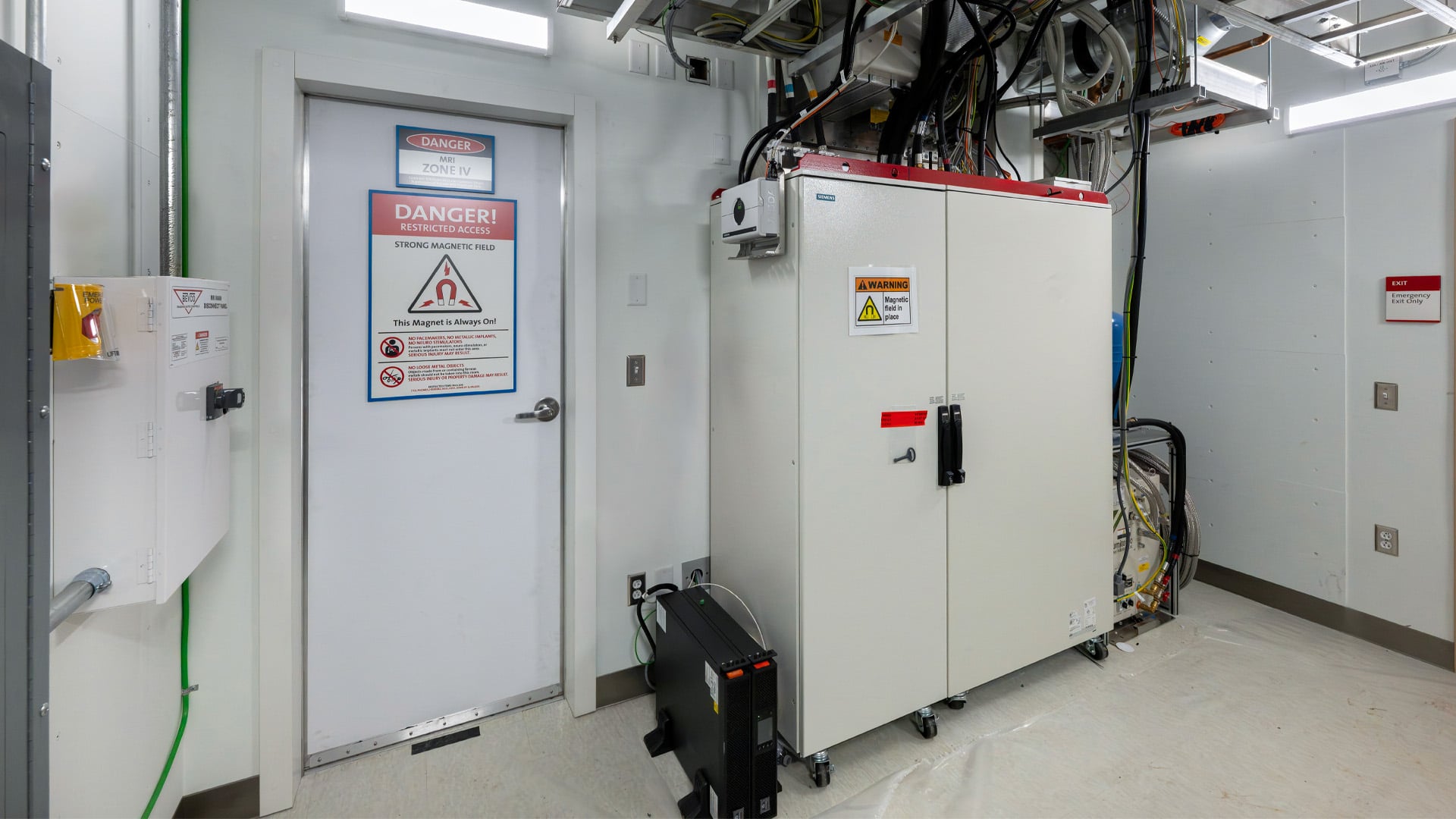 |
What a UPS Actually Does: Instant, Clean, No-Break PowerA UPS, or uninterruptible power supply, is designed to do one thing exceptionally well: provide instantaneous power when the utility fails. There’s no delay, no flicker, no transfer time. The load never sees the outage. Most modern UPS systems use a double-conversion design. Incoming AC power is converted to DC to charge the batteries, then inverted back to AC for the equipment. This allows for power to always flow through the UPS to the load, not requiring a short blip to switch to battery power. That continuous conditioning also helps regulate voltage and protect sensitive electronics. UPS systems come in several scales:
But no matter the size, all UPS systems share one limitation: runtime. Most are designed for 5–15 minutes of operation. That’s long enough to ride through short outages, allow equipment to shut down safely, or bridge the gap until a generator starts. One important clarification: building-scale battery systems paired with solar are not UPS systems. They behave much more like generators in how they supply power and how long they can run. |