Upgrading mechanical systems in occupied facilities isn’t just a design problem. It’s an operational balancing act.

That’s because most buildings today can’t simply shut down for upgrades. Whether it’s a university campus, lab, or residence hall, systems need to stay online while improvements are made.

The challenge is clear: modernize infrastructure without interrupting operations. This is where smart planning—and a bit of creativity—make all the difference.

Mechanical unit and piping in the St. Rita’s Medical Center Mechanical Penthouse.

Why This Is So Difficult

For many campuses, the traditional “summer shutdown” no longer exists. Buildings operate year-round, and even when occupancy drops, critical systems still need to perform. Data centers, labs, libraries, and housing all depend on stable environmental conditions to protect equipment, research, and occupants.

At the same time, upgrades are still necessary—driven by aging infrastructure, the need for increased capacity, energy efficiency goals, and evolving building uses.

The result is a complex environment where improvements must happen while everything keeps running.

Understand the Constraints First

Before a single piece of equipment is selected, the most important step is understanding constraints. These projects are defined as much by limitations as they are by design goals.

Operationally, key constraints typically include:

  • Continuous or 24/7 operation
  • Limited access to equipment in tight spaces
  • Safety and regulatory requirements
  • Interconnected systems that can’t be easily isolated

When these are at play, the margin for error becomes very small. There are also less obvious constraints that often drive the schedule. Teams also need to account for:

  • Academic schedules and key campus events
  • Funding timelines and approvals
  • Seasonal weather impacts

When all of these factors intersect, they often define when—and how—work can happen.

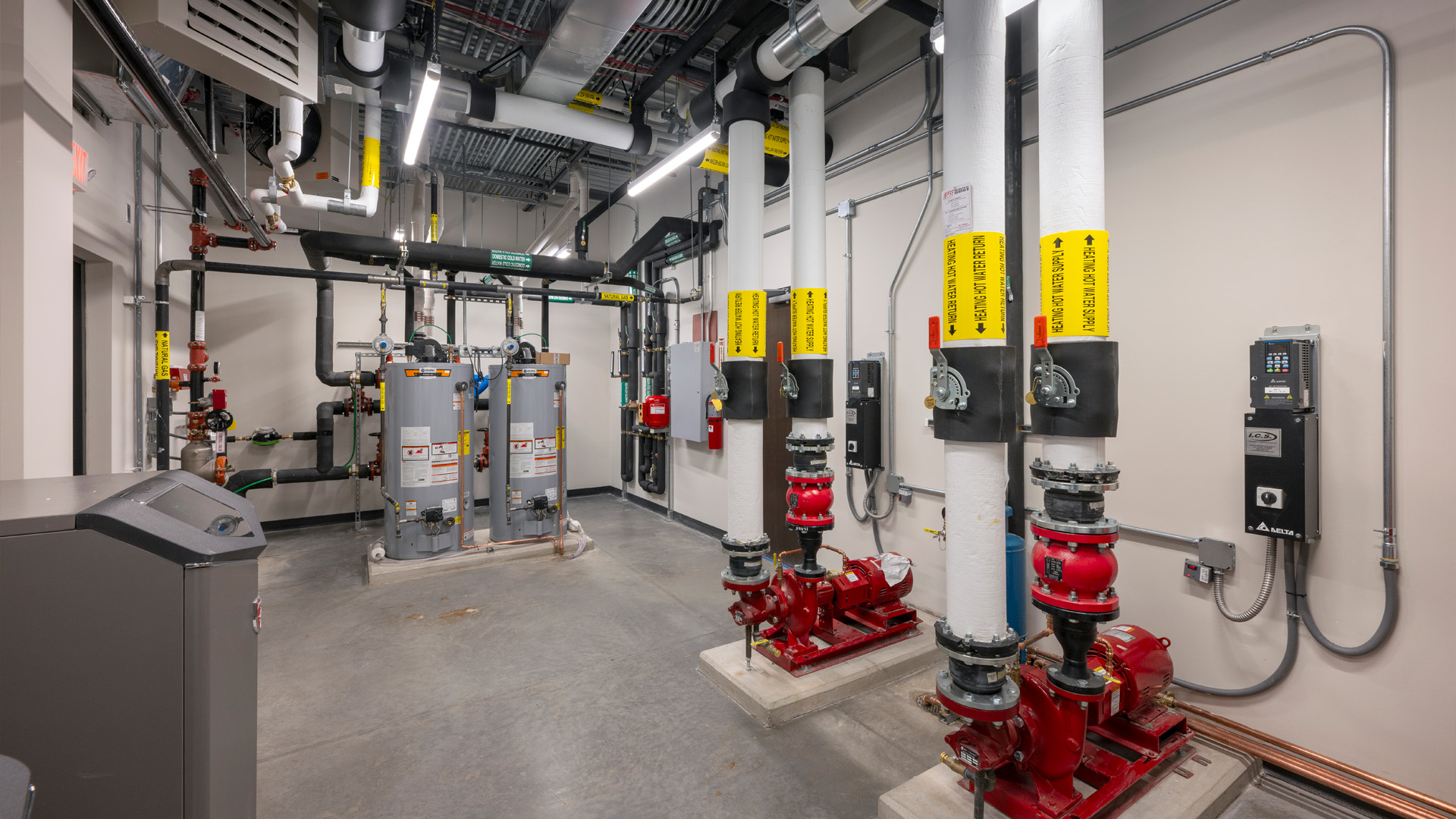
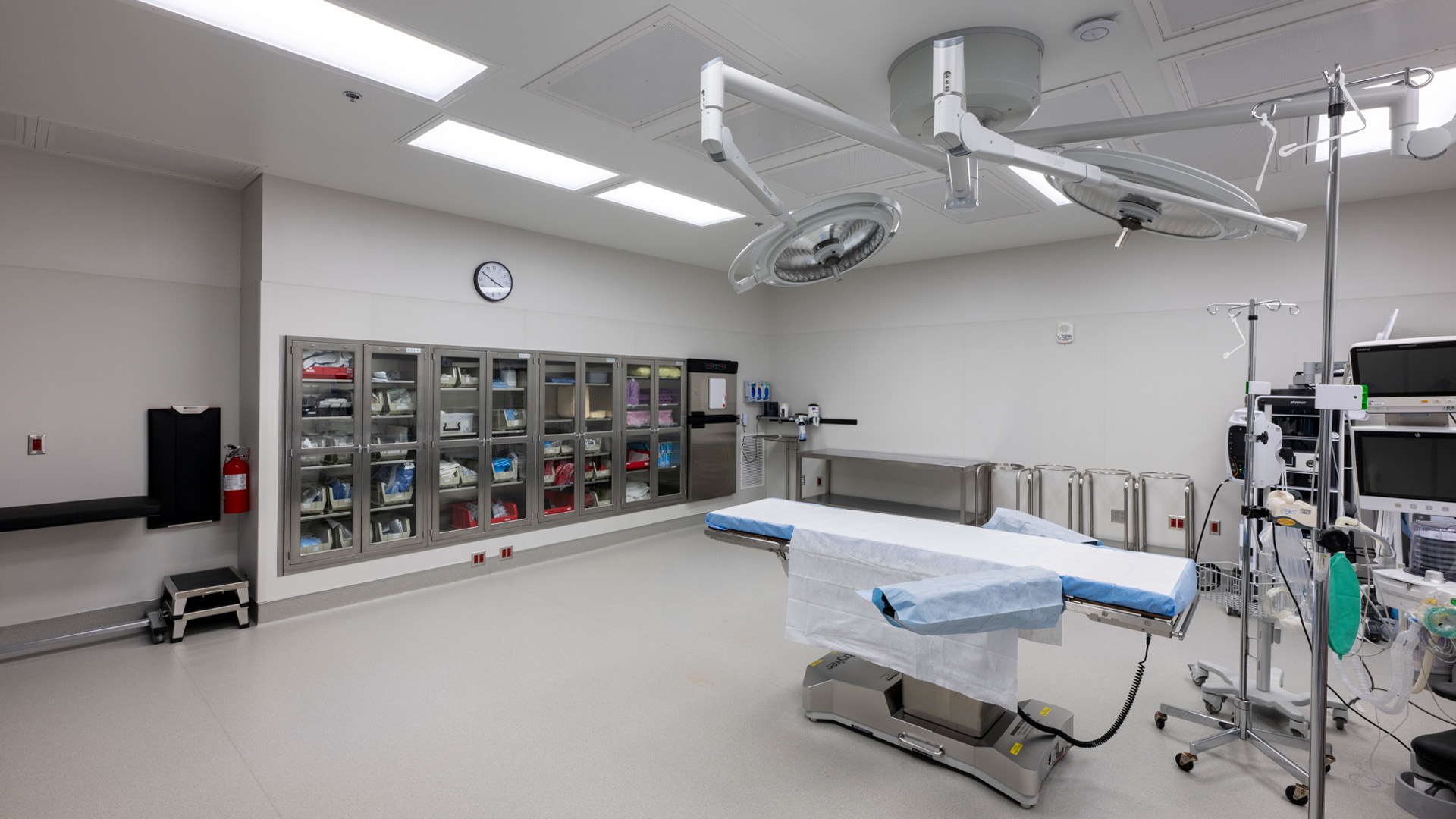
Humane Fort Wayne - Mechanical

Plan Early to Reduce Risk

Planning is the most important factor in project success. Mechanical upgrades in occupied buildings come with inherent risks, including equipment failure during changeover, human error, and unknown field conditions.

Strong planning helps mitigate those risks through:

  • Redundancy: Backup systems to maintain operation
  • Prefabrication: Reducing on-site construction time
  • Contingency plans: Clear responses if something goes wrong

The goal isn’t to eliminate risk but to be ready for it.

Use Phasing to Keep Systems Running

Phasing is essential when downtime isn’t an option. Instead of replacing systems all at once, work is broken into controlled segments that allow the building to stay operational throughout construction.

Common approaches include:

  • Parallel systems: Install new equipment before removing old
  • Zone-based upgrades: Work in one area at a time
  • Scheduled windows: Align work with low-occupancy periods
  • Careful sequencing: Avoid unintended impacts across systems

Parallel systems are often the safest option, though they may require additional space and cost.

Maintain Operations During Construction

Even with well-planned phasing, keeping systems running requires real-time strategy throughout construction.

Effective techniques include:

  • Isolation: Use valves and bypasses to work on sections without shutting everything down
  • Load balancing: Shift heating and cooling where it’s needed most
  • Seasonal timing: Perform work when system demand is lower
  • Temporary equipment: Use rented systems when necessary

A practical takeaway: designing systems with flexibility—like adding extra isolation valves—can make future upgrades significantly easier.

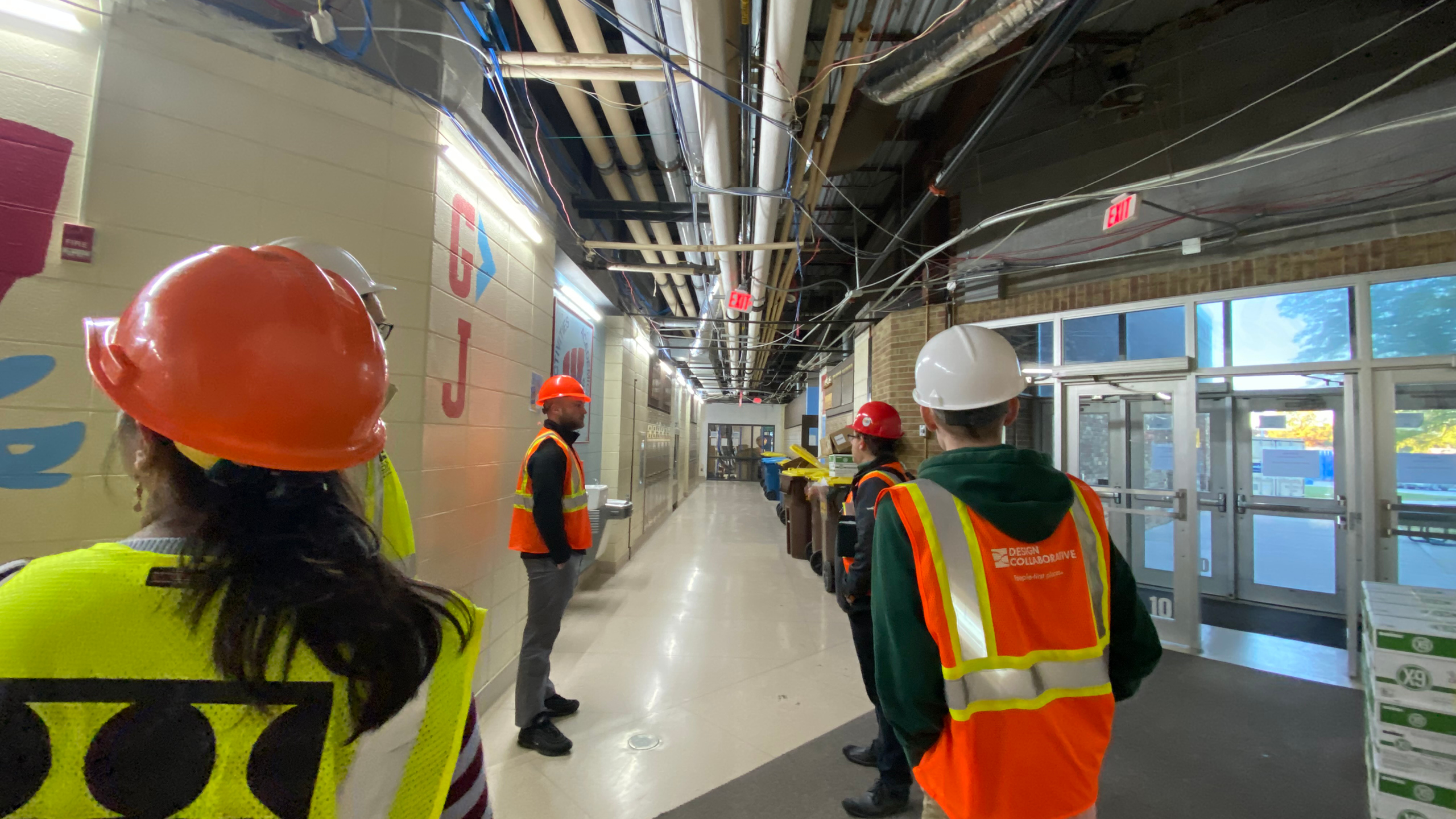
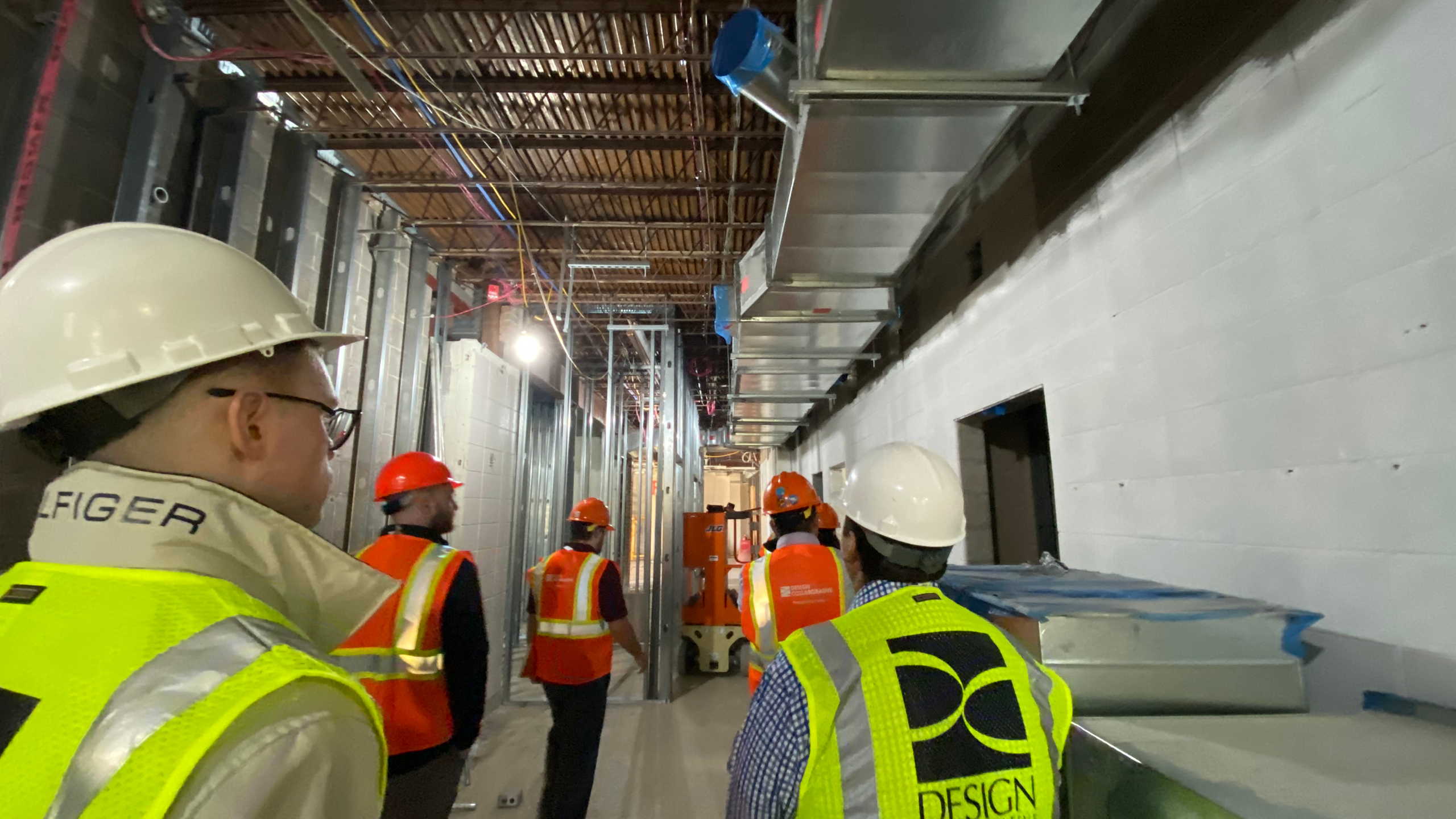
Wayne High School Renovation Mechanical Engineering Electrical Engineering Walk Through Wayne High School Renovation Mechanical Engineering Electrical Engineering Walk Through

Design and Execution Must Work Together

Good engineering reduces risk during construction. Systems must be designed to be flexible, accessible, and easy to modify over time.

Best practices include:

  • Designing modular or adaptable systems
  • Ensuring access for maintenance and future work
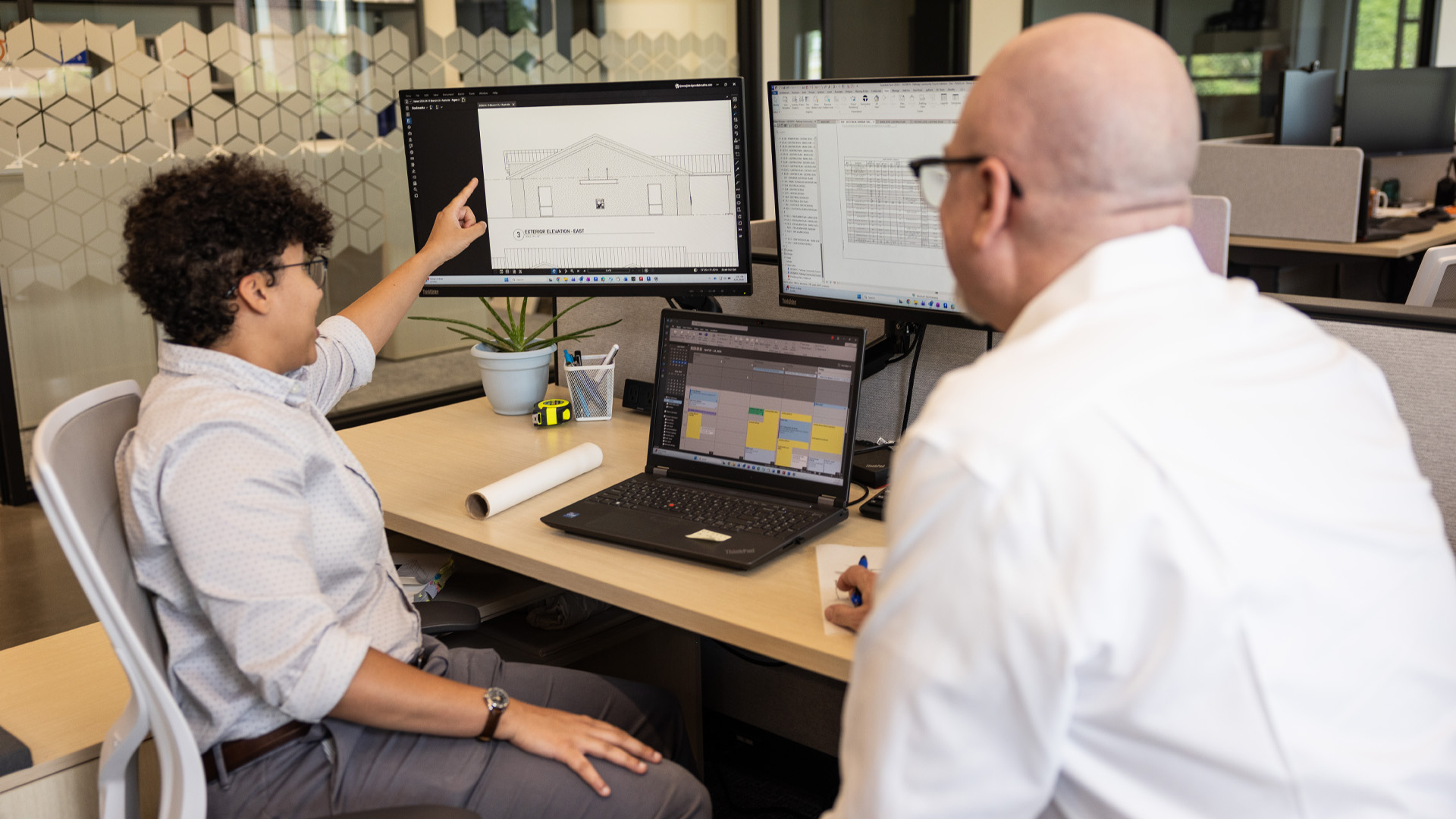
  • Using BIM and digital tools to identify conflicts early
  • Verifying existing conditions with site investigations

But design alone isn’t enough. Execution depends on strong coordination across all stakeholders—facility teams, engineers, and contractors. Everyone needs to understand not only what is happening, but why it’s happening and how their role contributes to the overall plan. Clear communication and detailed planning are critical.

Scheduling Is a Critical Piece

Timing can make or break these projects. Equipment lead times, in particular, have a major impact on schedules. While they’ve improved in recent years, major systems like chillers can still take months to procure, even before installation begins. And that timeline doesn’t include submittals, approvals, or installation—just manufacturing and delivery.

Successful teams account for these realities early and stay on track by:

  • Identifying long-lead equipment early
  • Starting submittals and procurement as soon as possible
  • Aligning work with campus schedules and seasonal conditions
  • Building in buffer time for delays

The most effective schedules are flexible and include contingencies, buffer time, and clear milestones.

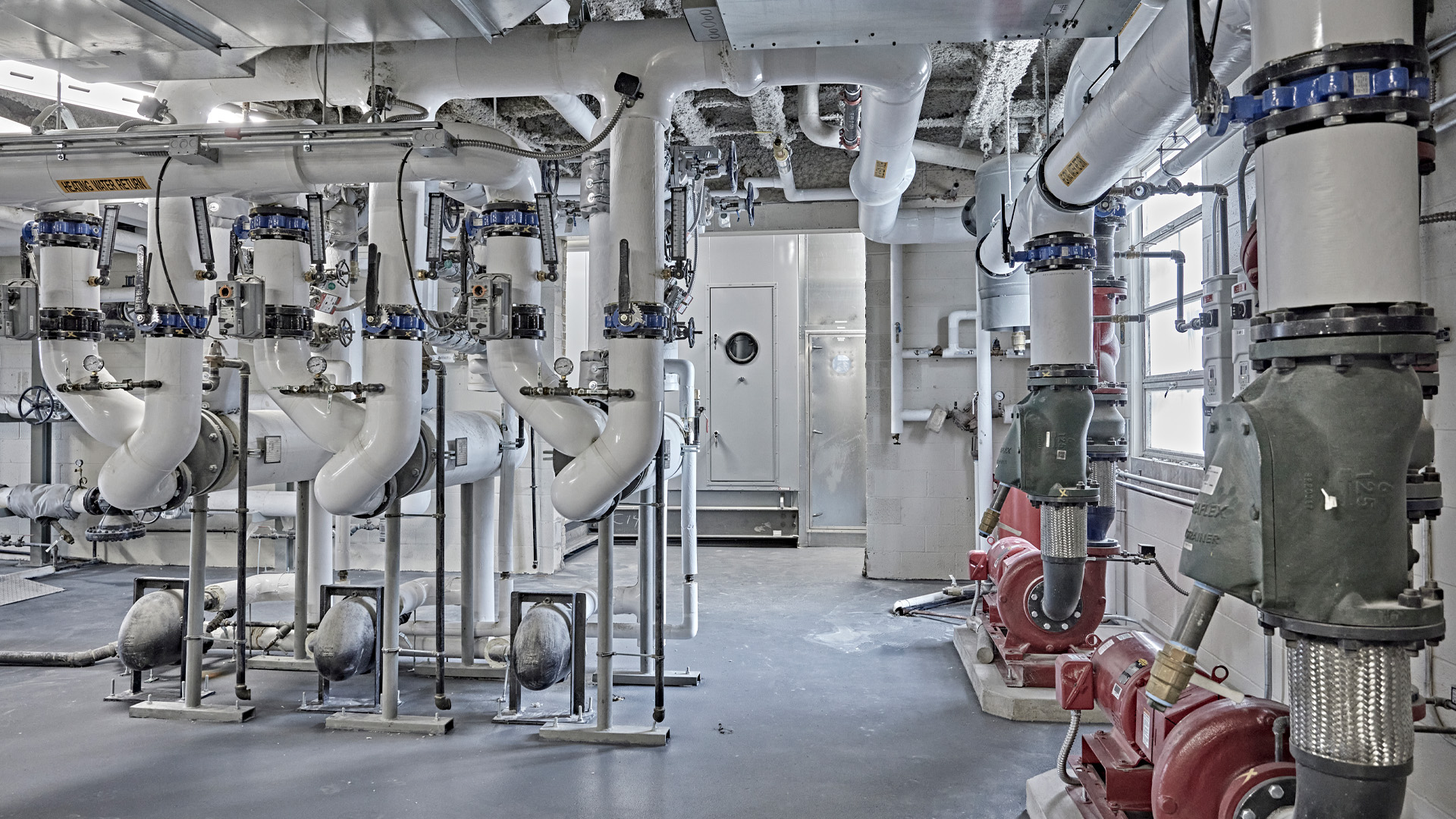
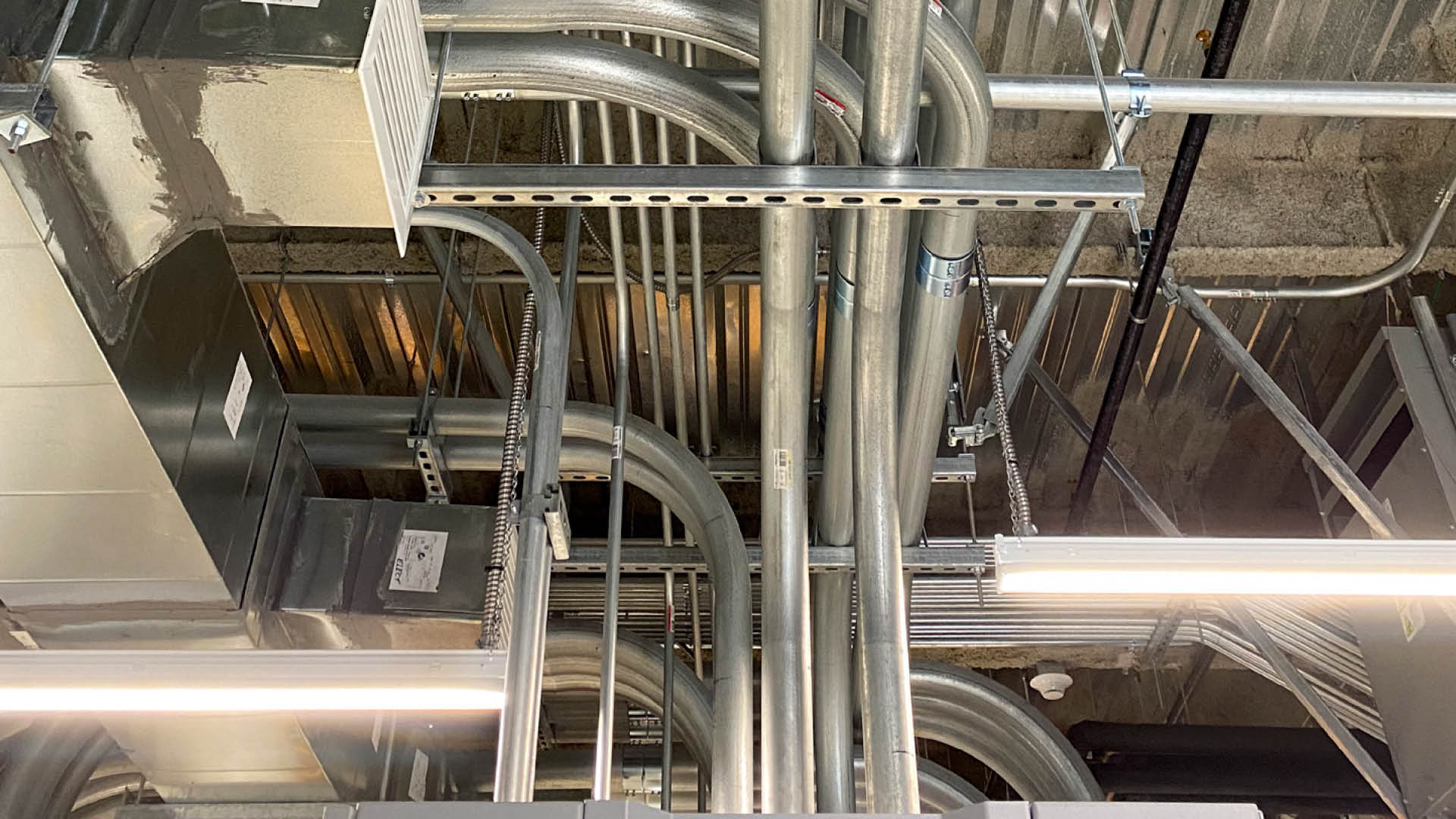
Mechanical Engineering Pipes

Testing, Commissioning, and Long-Term Success

The final phase of a project is where everything comes together—and where shortcuts can cause long-term issues. Rather than bringing everything online at once, a staged startup allows teams to verify performance, identify issues, and correct them before they escalate.

Successful closeout should include:

  • Gradual system startup and load transfer
  • Full commissioning and verification
  • Updated as-built documentation
  • Training for operations staff

Without these steps, even well-designed systems can underperform.

Final Thought

Upgrading mechanical systems without shutting down operations will never be simple. But with the right approach, it becomes manageable—and ultimately, successful.

In these environments, the priority isn’t just improving infrastructure. It’s keeping people comfortable, protecting critical environments, and ensuring operations never skip a beat while you do it.

If you’re facing a mechanical upgrade where downtime isn’t an option, you don’t have to navigate it alone. We can help you develop a strategy that keeps your building running—while moving it forward. Connect with our team to start the conversation.

Copyright ©2026 Design Collaborative