No One Notices Redundancy—Until Something Fails
By Jordan Backer, PE
May 13, 2026Post Tagged in
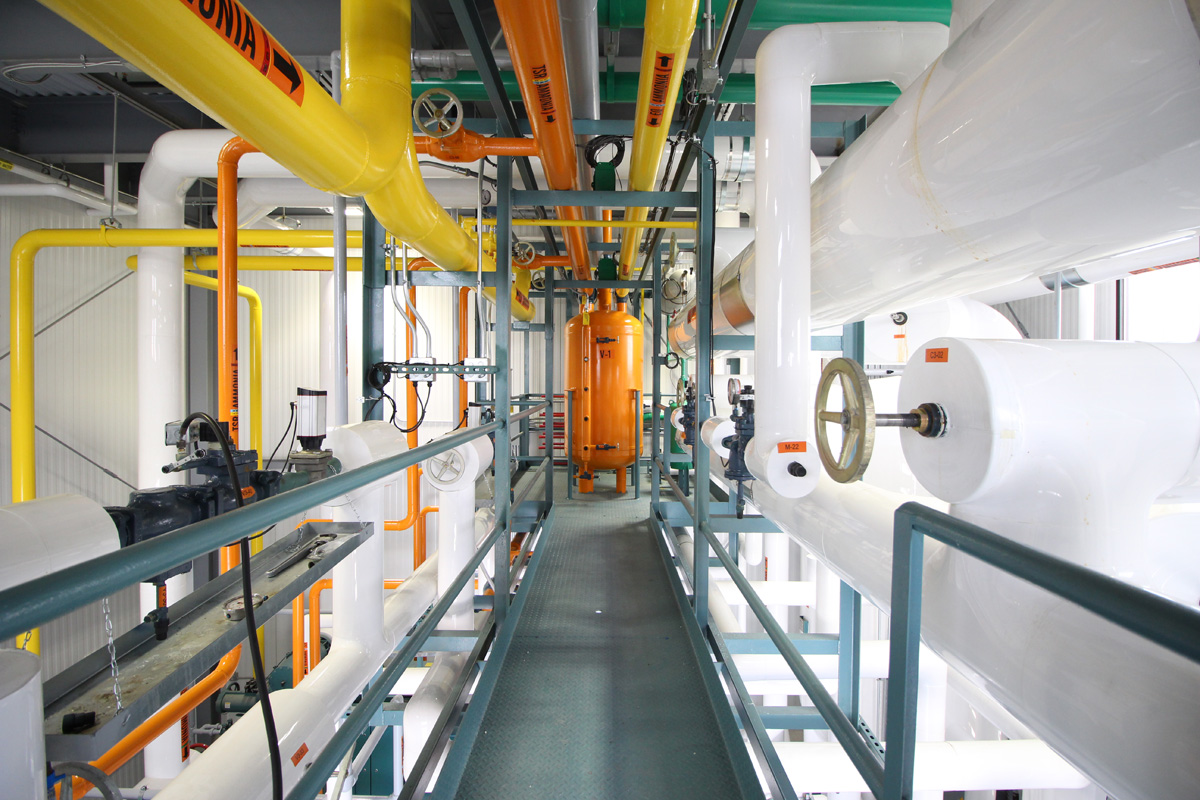
When planning redundancy for your building, building owners need to start by asking, “What can’t go offline for us to stay operational?” or “If this piece of equipment fails, how much revenue, product, or uptime do we lose?”Every industrial building will answer those questions differently. In many facilities, the most critical systems include process heating and cooling, production support spaces, IT infrastructure, and the HVAC systems that support both equipment and working conditions. Identifying those critical functions first helps determine where redundancy is worth the investment. |
|
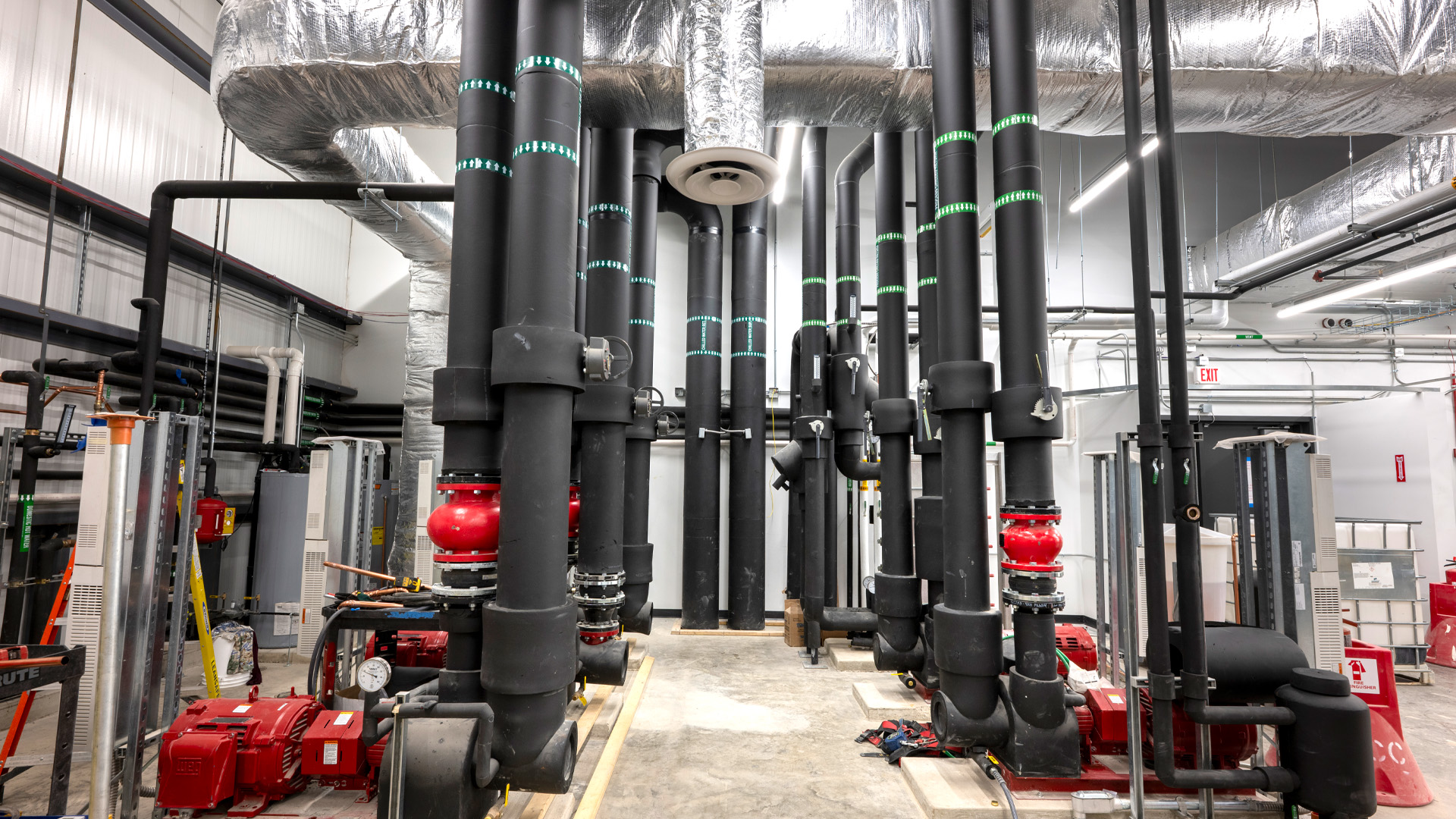 |
Understanding N+1 vs. 2N RedundancyRedundancy can be set up in several ways depending on how critical those systems are. N+1 and 2N are two of the most common approaches. In an N+1 system, a building has one additional piece of equipment beyond what is required to meet normal demand. For example, if two pumps are needed to serve the load, a third pump is provided as the “+1” backup. This approach is often used for boilers, heating and cooling pumps, air handling equipment, and smaller critical support spaces. For many industrial owners, N+1 offers a practical balance between resilience and first cost, while also allowing for equipment rotation that can extend system life. In a 2N system, the building is essentially provided with two independent systems, each capable of carrying the full load on its own. For HVAC and utility infrastructure, that can mean duplicate major equipment with shared distribution or, in more critical applications, separate paths for distribution as well. This level of redundancy is typically considered in mission-critical manufacturing, data centers, testing environments, pharmaceutical or laboratory spaces, and process plants where a shutdown could damage product, interrupt production, or create significant restart costs. Like N+1 systems, 2N arrangements can also support equipment rotation and maintenance without taking the facility offline. |