If you’ve spent any time around the manufacturing world lately, you’ve probably noticed something: The conversation has changed.

A few years ago, we were all asking whether manufacturing investment would continue to come back to the U.S. Today, that’s not really the debate. Companies are growing, expanding, reshoring operations, and investing in new facilities across a wide range of industries. The projects are out there.

The bigger question is whether we’re ready for them.

That was one of the recurring themes during a recent Full Scale panel discussion at our Charlotte office with Donny Hicks, Executive Director at Gaston County EDC; Ben Schon, SVP at Trammell Crow Company; and Harris Morrison, Founder and Managing Director at Fortius Capital Partners. While each brought a different perspective to the conversation, they all pointed to the same reality: manufacturers aren’t just looking for a building. They’re looking for certainty. They’re looking for partners. And they’re looking for communities that are prepared to help them succeed.

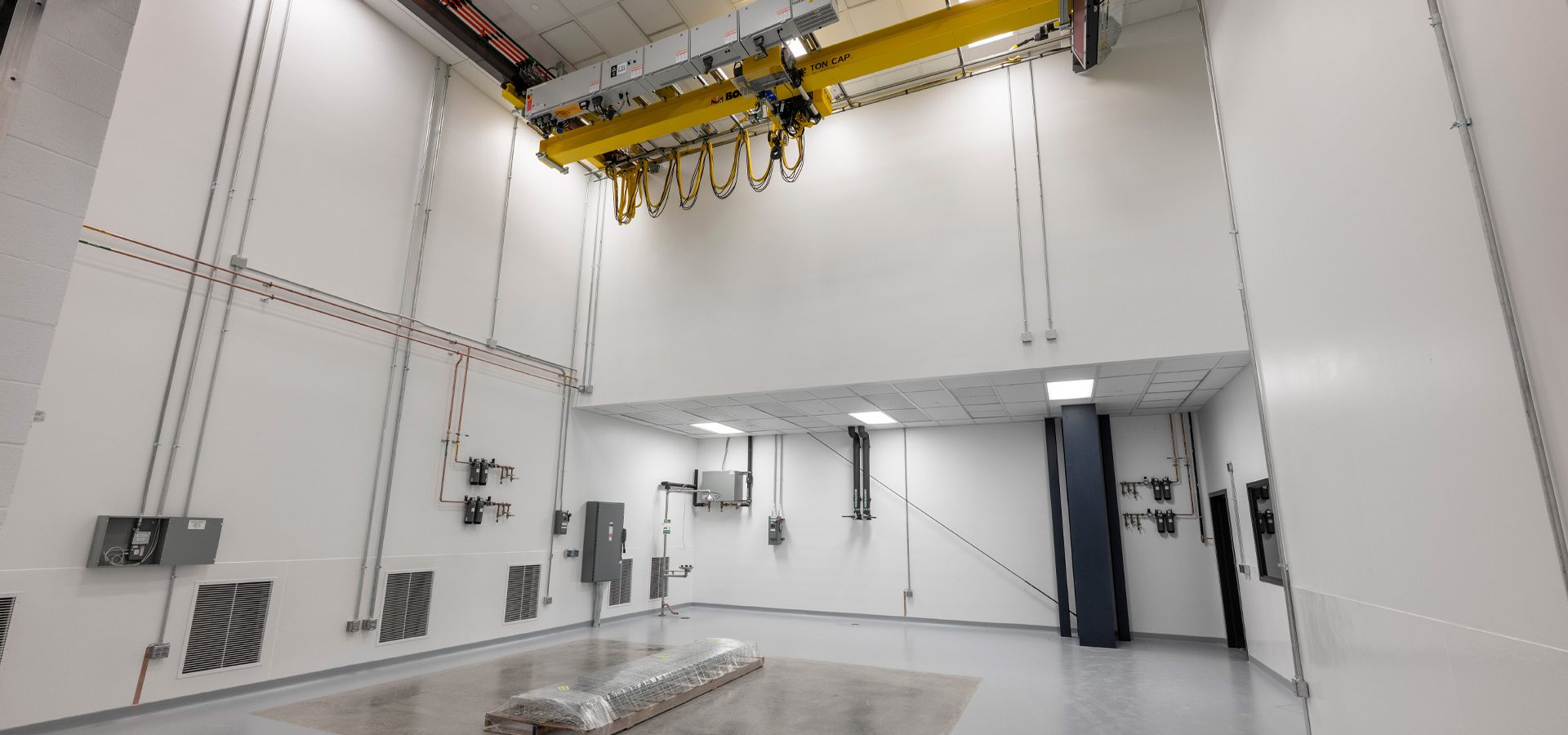
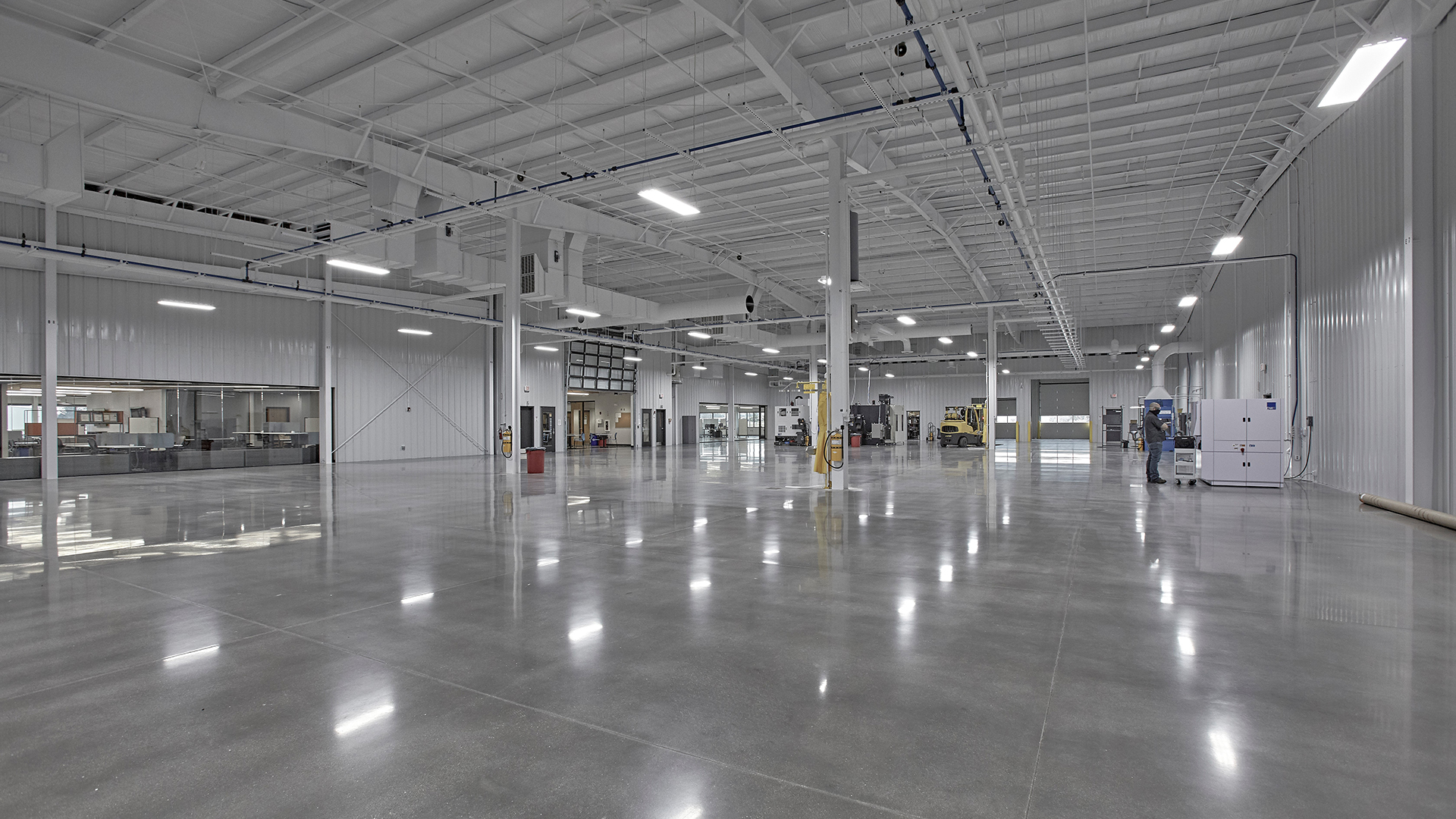
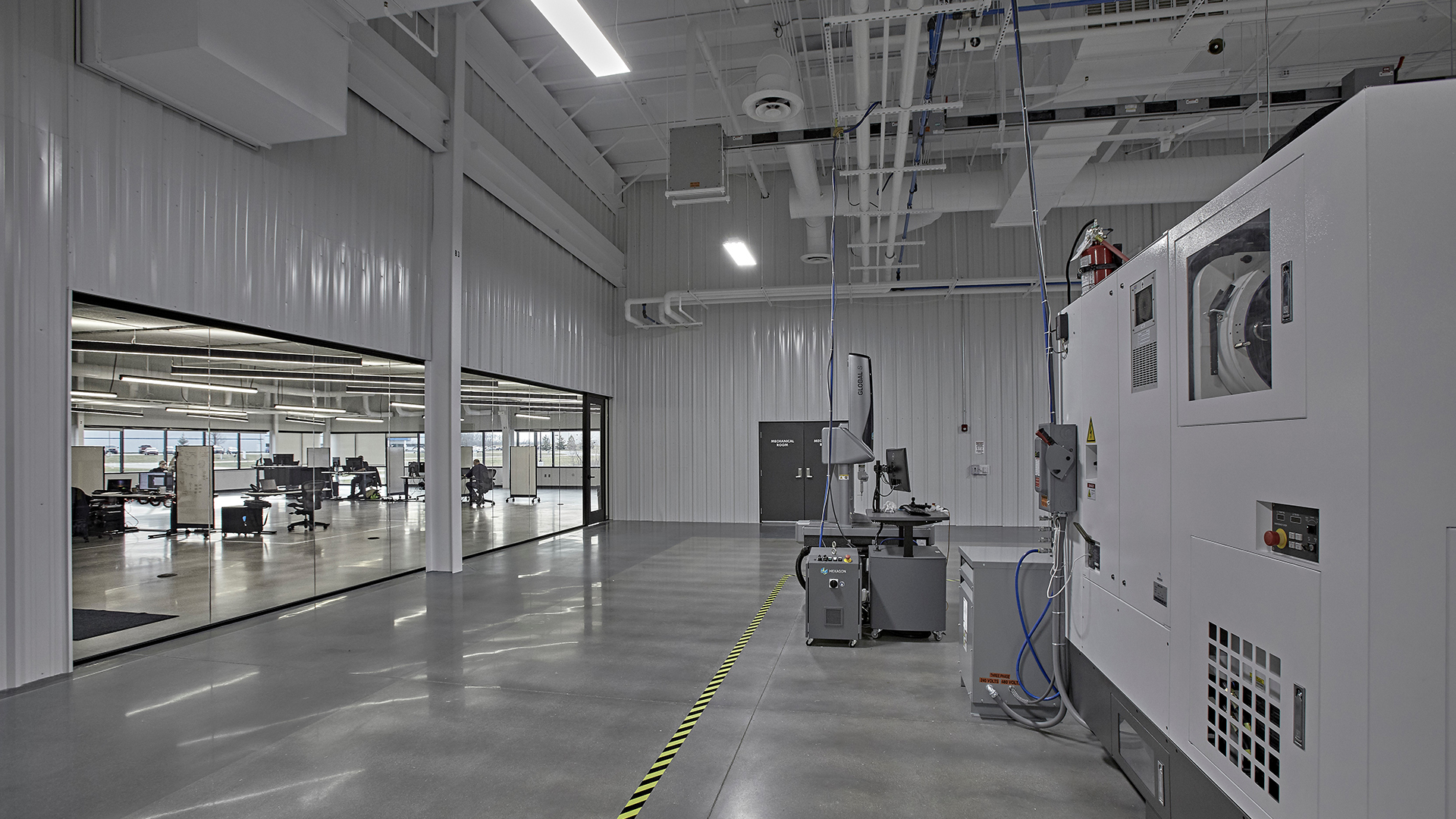
Vibe room with yellow crane. Informal Workplace Meeting

Manufacturing is moving fast. Communities need to keep up.

One thing that stood out during our discussion was how quickly decision-making timelines have compressed.

Manufacturers don’t want to spend years navigating approvals, waiting on infrastructure, or wondering whether a project can move forward. They want confidence that when they’re ready to invest, the path is clear.

As Schon noted, speed to operation has become one of the most important factors in site selection. Companies need to know how quickly they can get permits, start construction, hire workers, and begin production. Sometimes that timeline becomes the deciding factor between one community and another.

That’s not just a challenge for municipalities. It’s a challenge for everyone involved in the development process.

Designers, engineers, developers, utility providers, contractors, and economic development leaders all play a role in helping projects move from idea to reality.

The best sites aren’t always the obvious ones

When people talk about industrial growth, they often focus on incentives or available land. Those things matter. But they’re only part of the equation.

Throughout the conversation, Hicks emphasized how much work happens behind the scenes long before a company decides where to locate. Tax policies, utility investments, workforce development programs, and long-range planning all influence whether a community is positioned to compete.

The communities winning today aren’t necessarily the communities with the most available acreage. They’re the communities that have spent years preparing for opportunities before they arrive.

That preparation may not be flashy, but it’s often what separates a successful project from one that never gets off the ground.

Infrastructure has moved to the front of the conversation

Ask almost anyone involved in industrial development today what’s keeping them up at night, and infrastructure is likely near the top of the list.

Infrastructure challenges are showing up in a few familiar places:

  • Power capacity and delivery timelines
  • Water availability
  • Wastewater and sewer capacity
  • Utility expansion costs
  • The ability to serve large-scale manufacturing users

These aren’t the kinds of things that make headlines, but they can determine whether a project moves forward at all.

Several examples were shared during the panel where utility availability played a major role in site selection decisions. That’s becoming increasingly common as advanced manufacturing facilities require more resources than ever before.

What I found particularly encouraging was the conversation around solutions.

Developers, municipalities, and utility providers are working together to find creative approaches when infrastructure constraints arise. And ongoing conversations between the private and public sectors are helping to identify outdated processes and unlock additional capacity.

No single organization can solve these challenges alone. The regions that make the most progress will be the ones that approach them collaboratively.

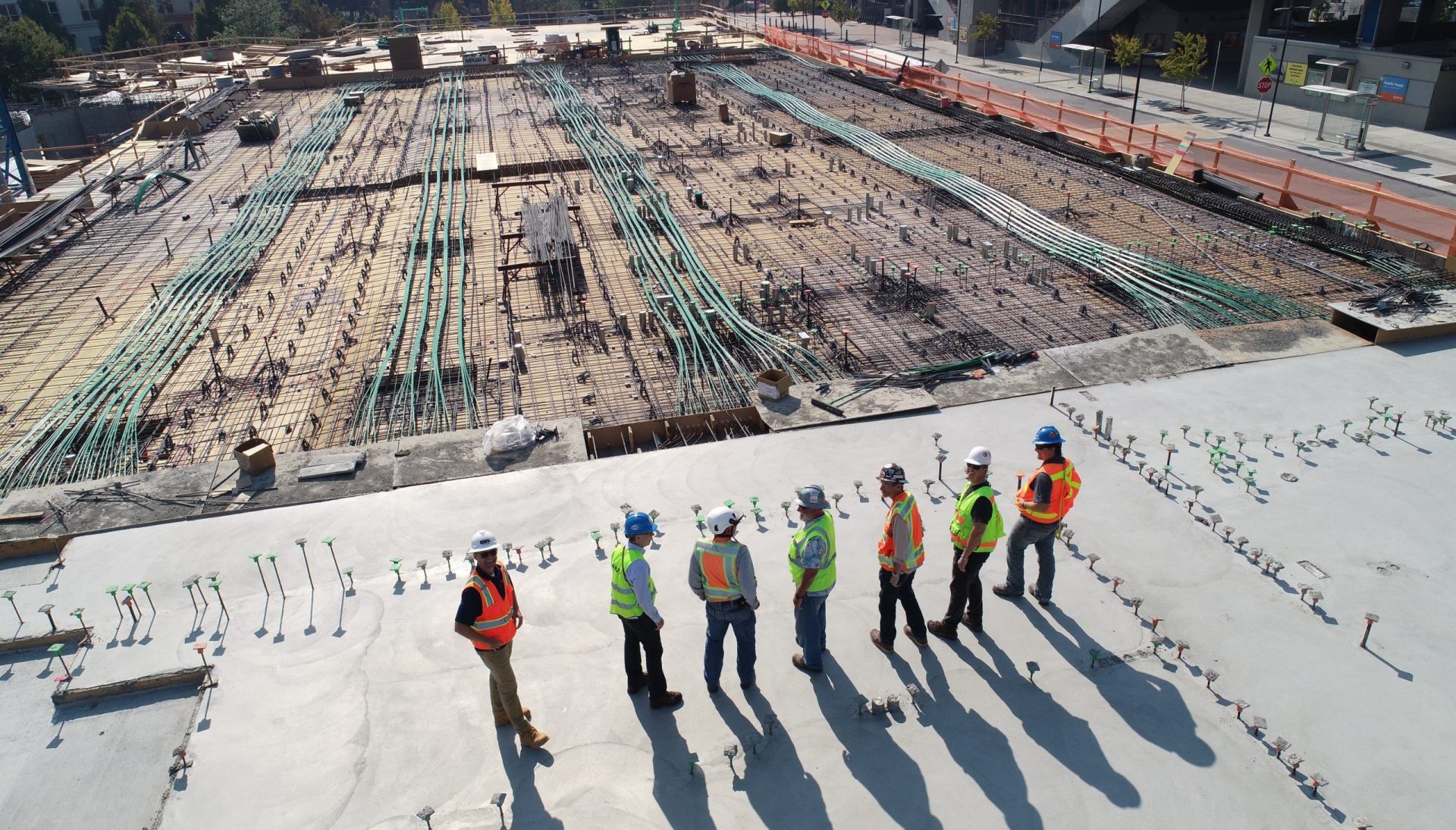
Construction Industry Today Architects and Engineering on Building Foundation Mechanical Engineering Equipment and Pipes on Ground

Workforce is still the foundation

For all the discussion around infrastructure and development, workforce remains one of the biggest drivers of manufacturing success.

A company can build a world-class facility. It can invest in cutting-edge equipment. But without the people to operate it, none of it matters.

Successful projects are often tied to strong labor markets and educational partnerships. Manufacturers want access to talent, but they also want confidence that talent will continue to be available as they grow.

The strongest regions are building workforce pipelines through:

  • Community colleges
  • Technical training programs
  • University partnerships
  • Apprenticeships and industry certifications
  • Collaboration between employers and educators

That’s why workforce development has become such an important piece of the conversation. The strongest manufacturing ecosystems aren’t just creating jobs. They’re creating pathways for people to build careers.

The future favors flexibility

One of the interesting shifts we’re seeing in industrial development is the growing emphasis on adaptability.

No one knows exactly what manufacturing will look like 10 years from now. Technology is changing too quickly. Because of that, developers and designers are thinking much more intentionally about flexibility.

Many projects are now being planned with future needs in mind, from additional power capacity and telecommunications infrastructure to electric vehicle charging and emerging technologies that may not be commonplace today.

Morrison pointed out how changing demand is influencing building design, particularly as manufacturing accounts for a larger share of industrial projects than it did just a few years ago. Facilities need to accommodate different operational models, different workforce requirements, and different production processes.

In other words, flexibility is no longer a bonus feature. It’s becoming an expectation.

Growth happens when people work together

My biggest takeaway from the panel wasn’t about infrastructure, workforce, or even manufacturing itself. It was about collaboration.

Some of the most successful projects discussed during the event involved partnerships between counties, municipalities, educational institutions, developers, utility providers, and private industry. Problems that seemed impossible at first became solvable when organizations aligned around a common goal.

That’s a lesson that applies everywhere, regardless of market size or geography.

Communities that work together tend to move faster. Projects that bring stakeholders together early tend to encounter fewer surprises. And manufacturers that view their partners as part of the process rather than simply vendors often end up with better outcomes.

The opportunities in manufacturing are real. The investment is real. The momentum is real.

The communities best positioned to capture that growth are the ones that:

  • Prepare infrastructure before capacity becomes a bottleneck
  • Streamline approvals and project delivery processes
  • Build workforce pipelines before labor shortages emerge
  • Design facilities with flexibility for future needs
  • Foster strong partnerships between public and private stakeholders

The question isn’t whether growth is coming. It’s whether we’re ready for it.

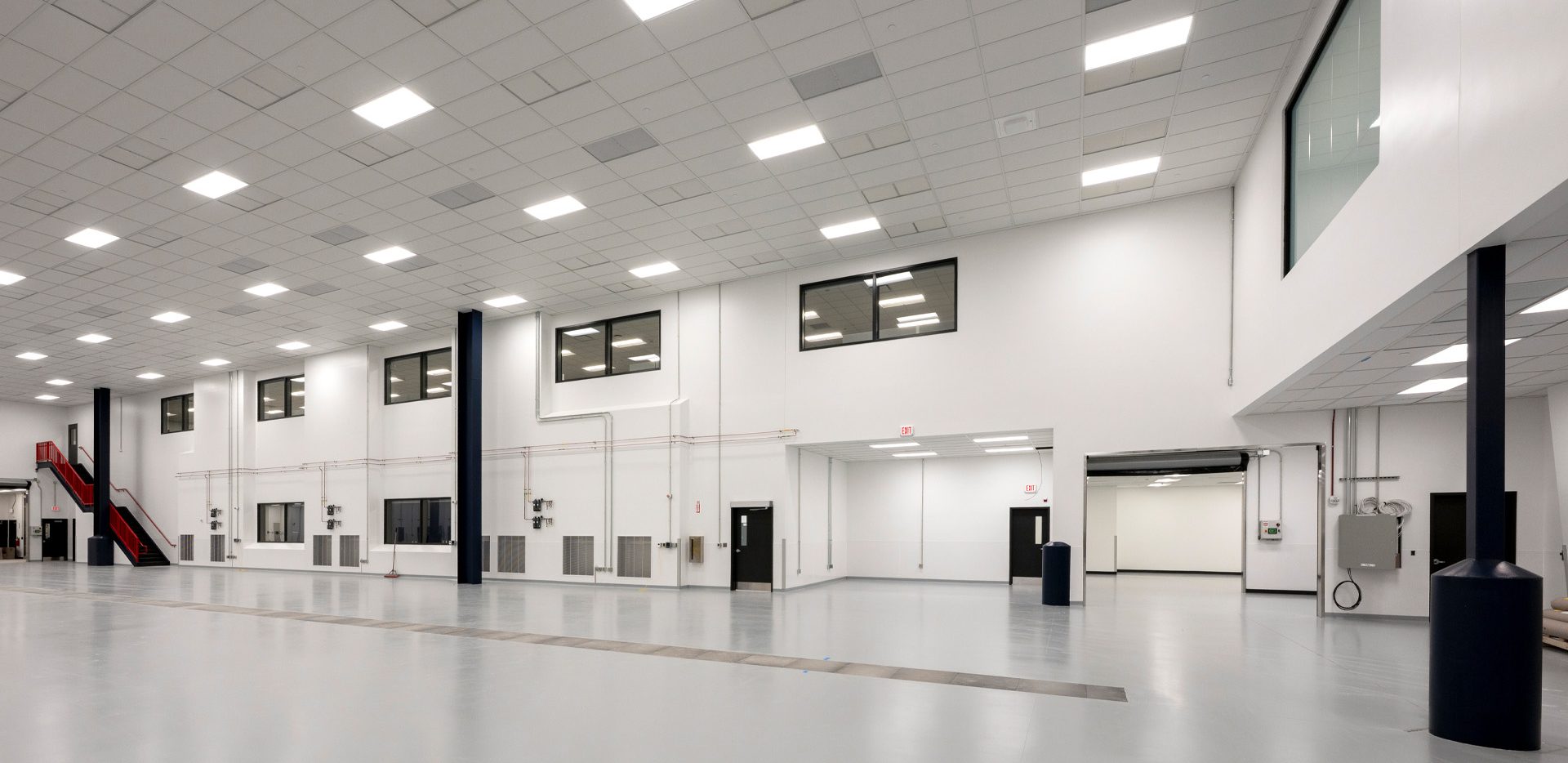
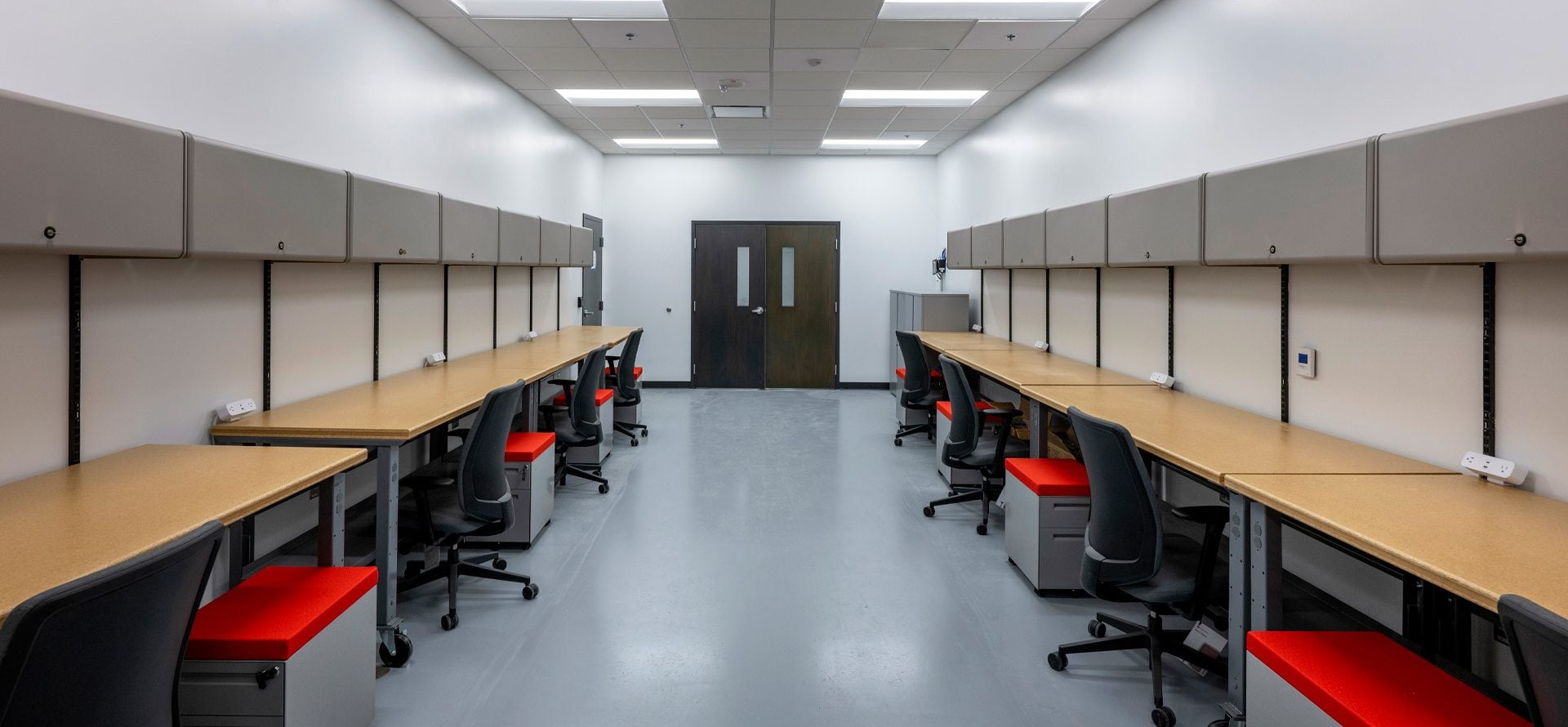
Large industrial room with view points above. Staging offices with red branding elements. Mach and Sites Medical floor Mach and Sites Medical equipment

How ready is your operation for the next phase of growth? A conversation today can help uncover the facility, workflow, and capacity decisions worth addressing before demand forces your hand. Let’s explore what readiness looks like for your organization.

Copyright ©2026 Design Collaborative