Credit unions are in the middle of a major shift.

Member expectations are changing, digital tools are accelerating, and the role of the physical branch is being redefined in real time. Yet even with all this change, one thing remains constant: people still want to feel known, supported, and connected to their financial institution.

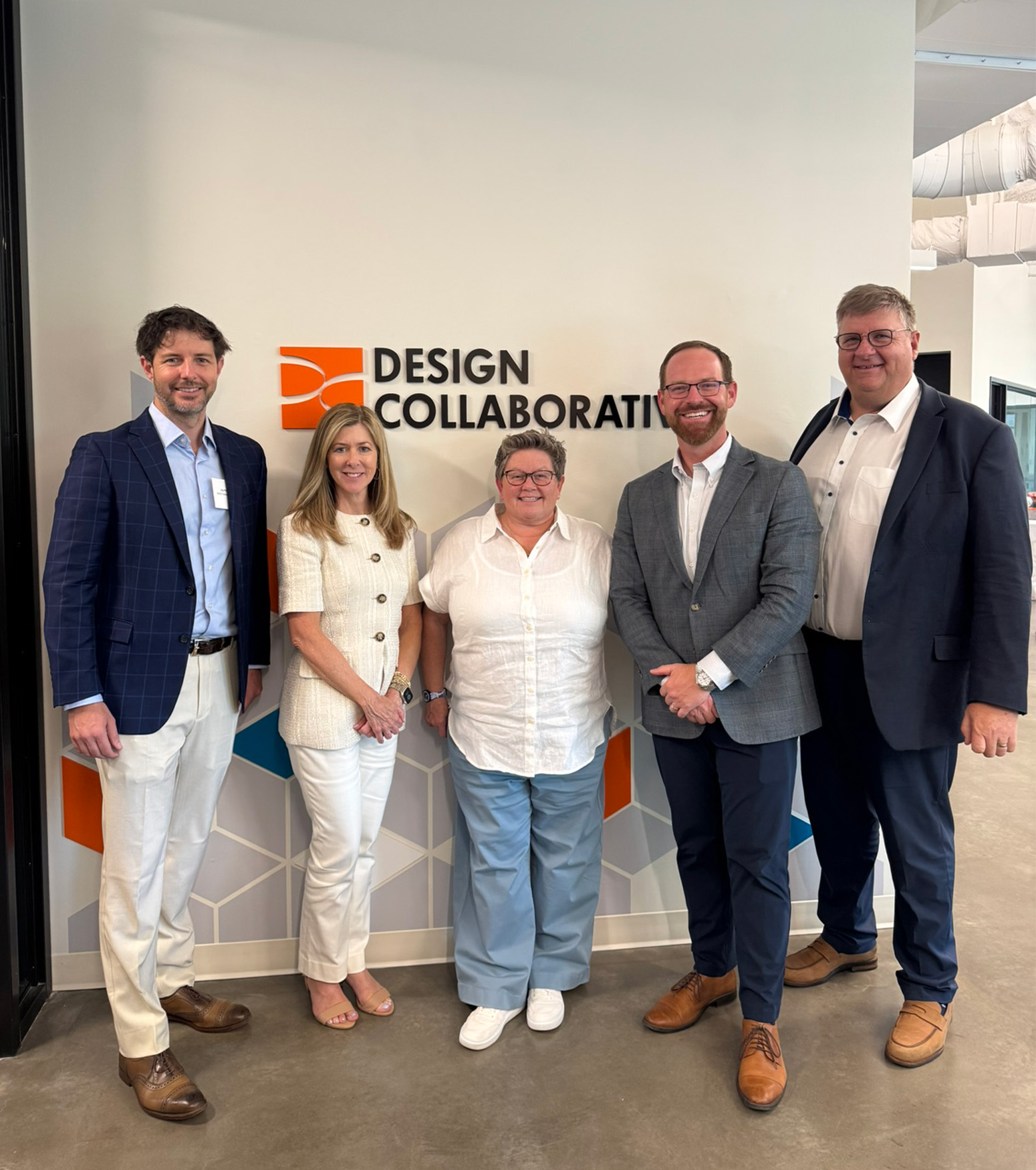
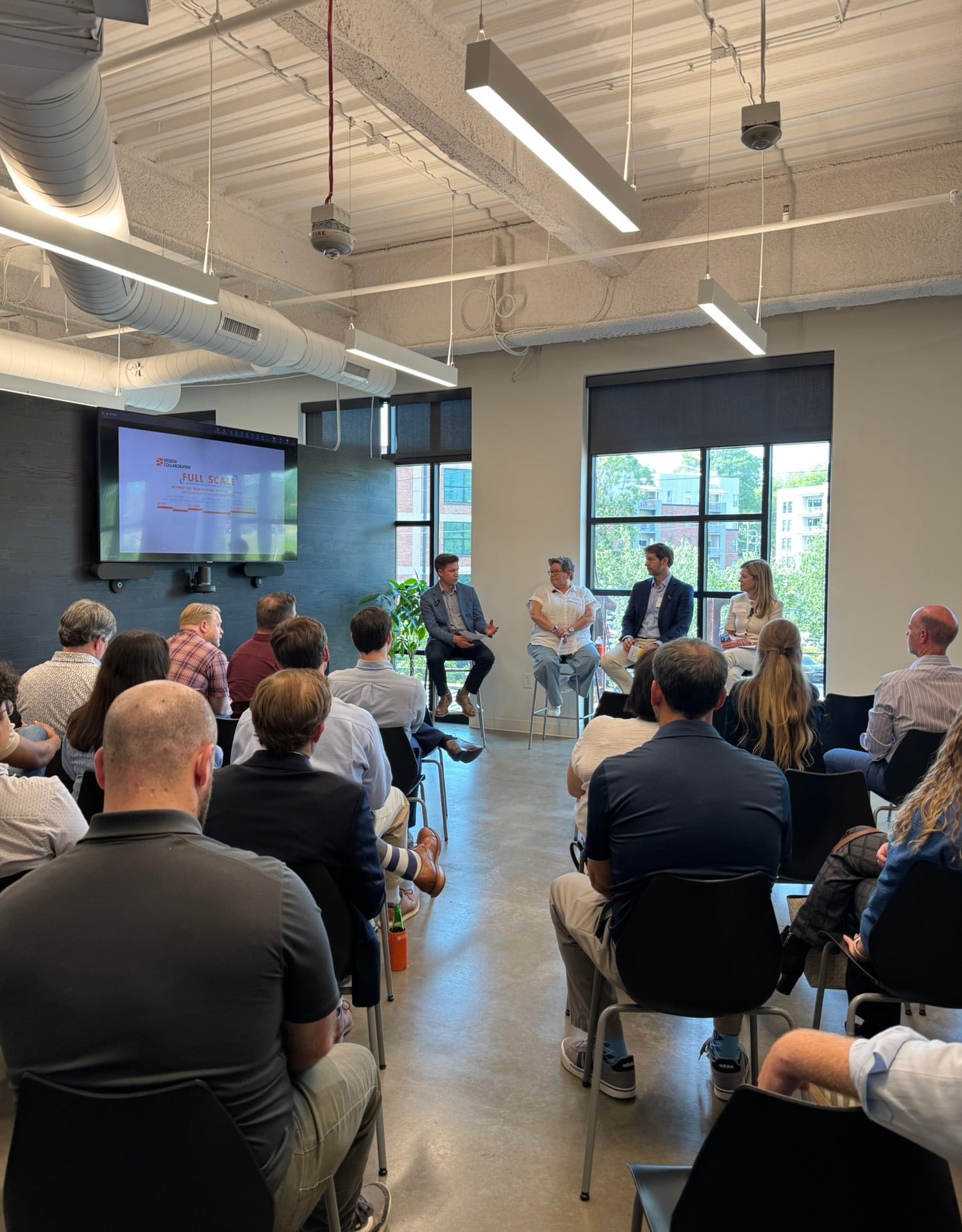
To explore how credit unions are navigating this moment, we recently brought together leaders from three organizations that are actively reshaping the member experience: Jennifer Gallagher, Vice President of Support Services and Branch Expansion at Coastal Credit Union; Jay Montgomery, Senior Vice President of Operations at SAFE Federal Credit Union; and Judy Wishnek, Senior Vice President, Charlotte Market President at Truliant Federal Credit Union. Their perspectives offered a clear picture of where the industry is headed and how design, technology, and human connection intersect to create meaningful member experiences.

Why Members Choose Credit Unions: Trust First, Everything Else Second

When asked why members choose a credit union over a bank or fintech app, the answers were remarkably aligned.

Members come for the rates. They stay for the relationships.

Montgomery described it as a “relationship-driven” choice, especially in moments that matter. Wishnek shared a story of a couple who came in worried about losing overtime pay and making ends meet without it. After a thoughtful conversation, the branch team helped them restructure their debt and save nearly $1,000 a month. A few months later, they were back to open their first emergency fund.

That’s the kind of impact that doesn’t happen in a chat window.

Gallagher pointed to Coastal’s 2016 merger with a smaller credit union whose branches were periodically forced to close due to staffing shortages. Coastal’s Interactive Teller Machine (ITM) model allowed those branches to stay open seven days a week. The technology was new, but the trust it created was old-school credit union DNA.

Digital First, Human Always

Every credit union in the room is investing heavily in digital platforms. But none of them see digital as the destination.

Digital is the front door. The branch is where the real conversation happens.

  • Coastal recently launched a fully rebuilt digital banking platform to create a “digital-first” experience that actually works. It’s fast, intuitive, and consistent with what members see in the branch.
  • SAFE is focused on creating a true omni-channel experience, where a member can start a loan online and finish it in person without repeating themselves.
  • Truliant sees digital as the place for quick tasks, while the branch remains the place for complex needs and financial guidance.

The message was clear: digital should make the branch better, not replace it.

AI is Here But It’s Not the Star of the Show

AI came up during the discussion but not as a magic solution. More like a tool that, when used well, removes friction.

Truliant’s new bilingual chatbot, Lia—derived from the credit union’s name, handles routine questions conversationally and hands off to a human when needed. Coastal’s AI assistant, Emma, made hundreds of thousands of outbound calls during their digital transition—something that would’ve taken months manually. SAFE uses AI to quickly solve member’s day-to-day financial needs, such as balance inquiries, so staff can focus on members who need deeper support.

AI is speeding things up. But it’s not replacing the human connection that defines credit unions.

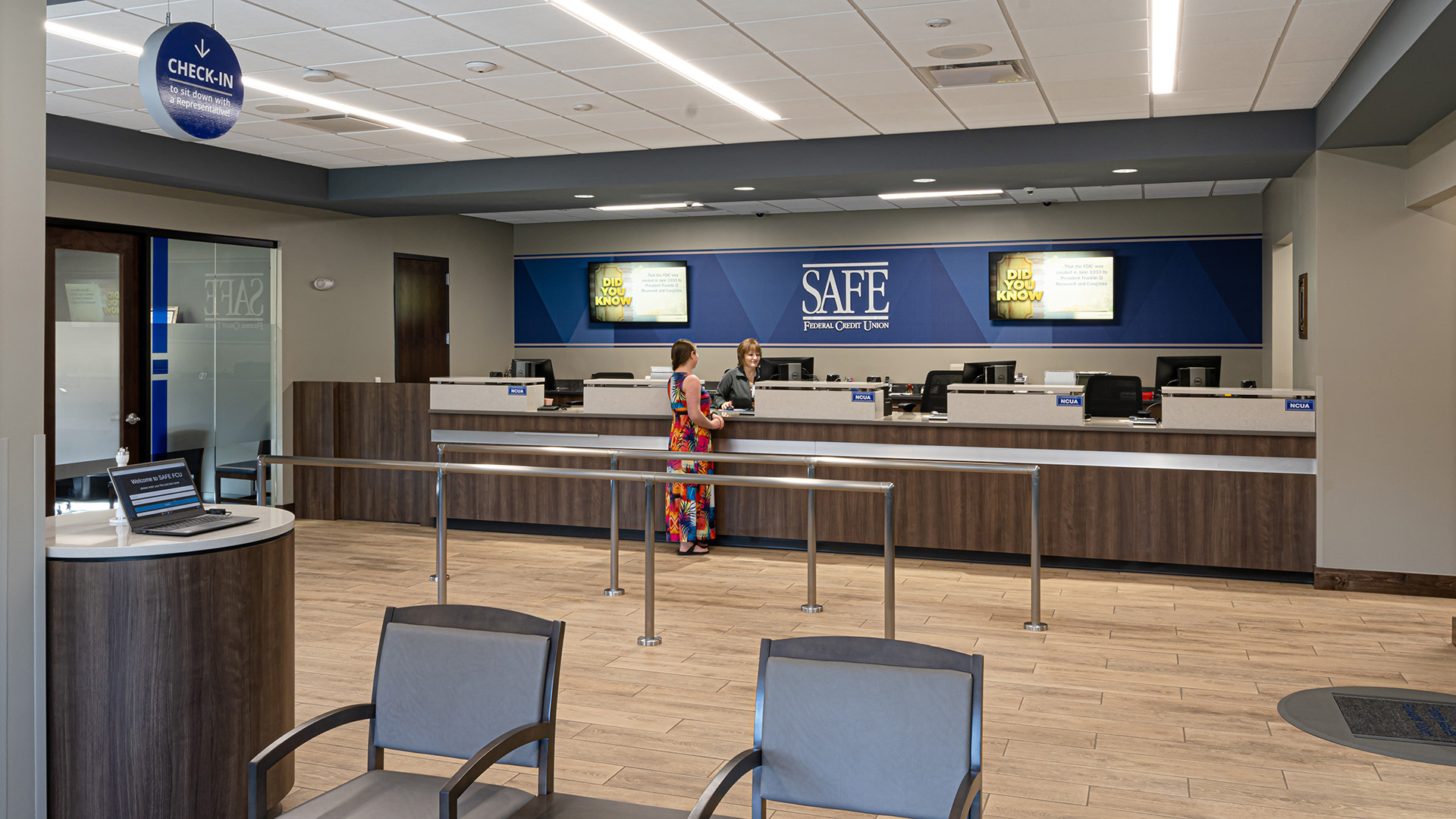
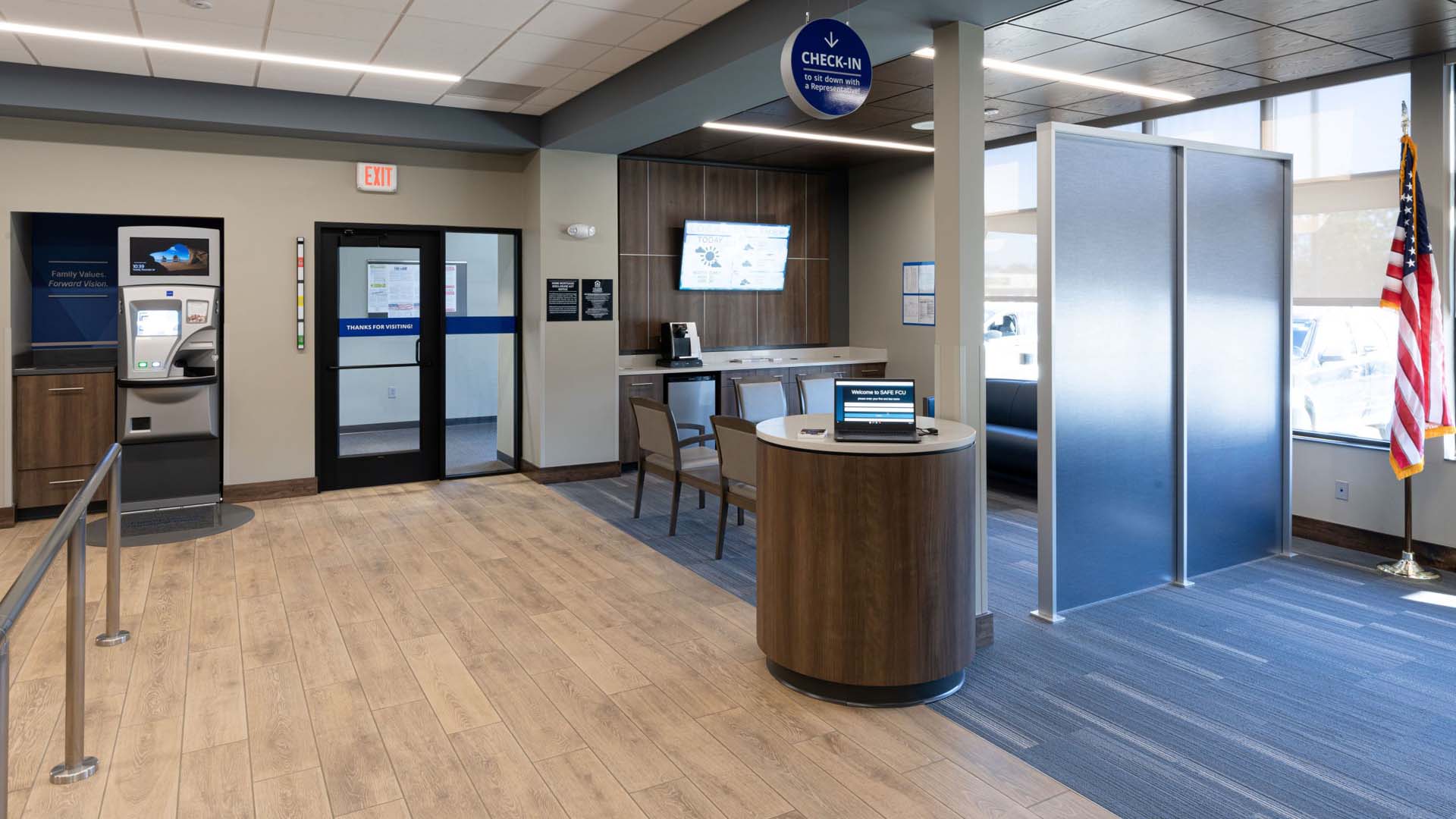
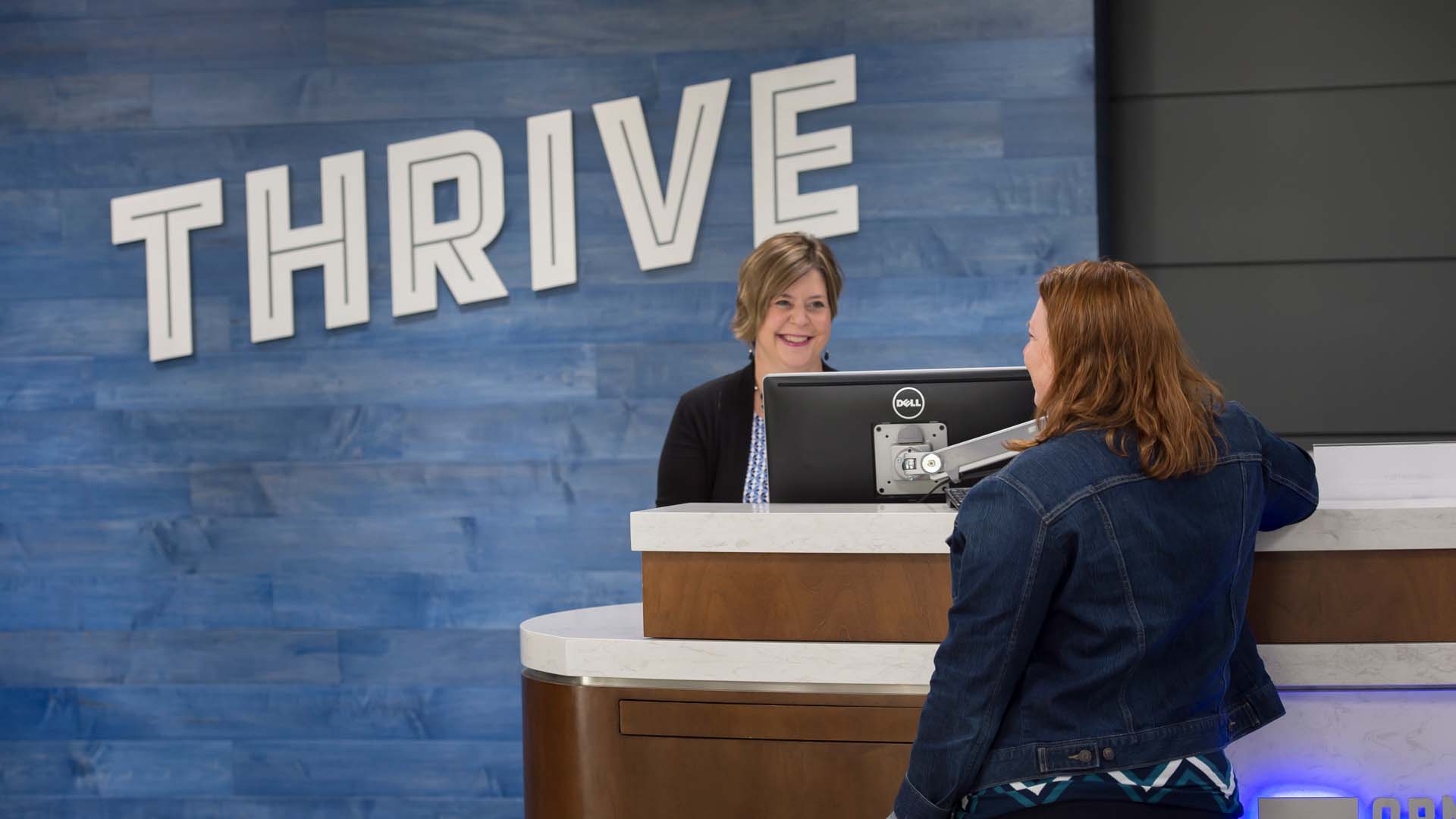
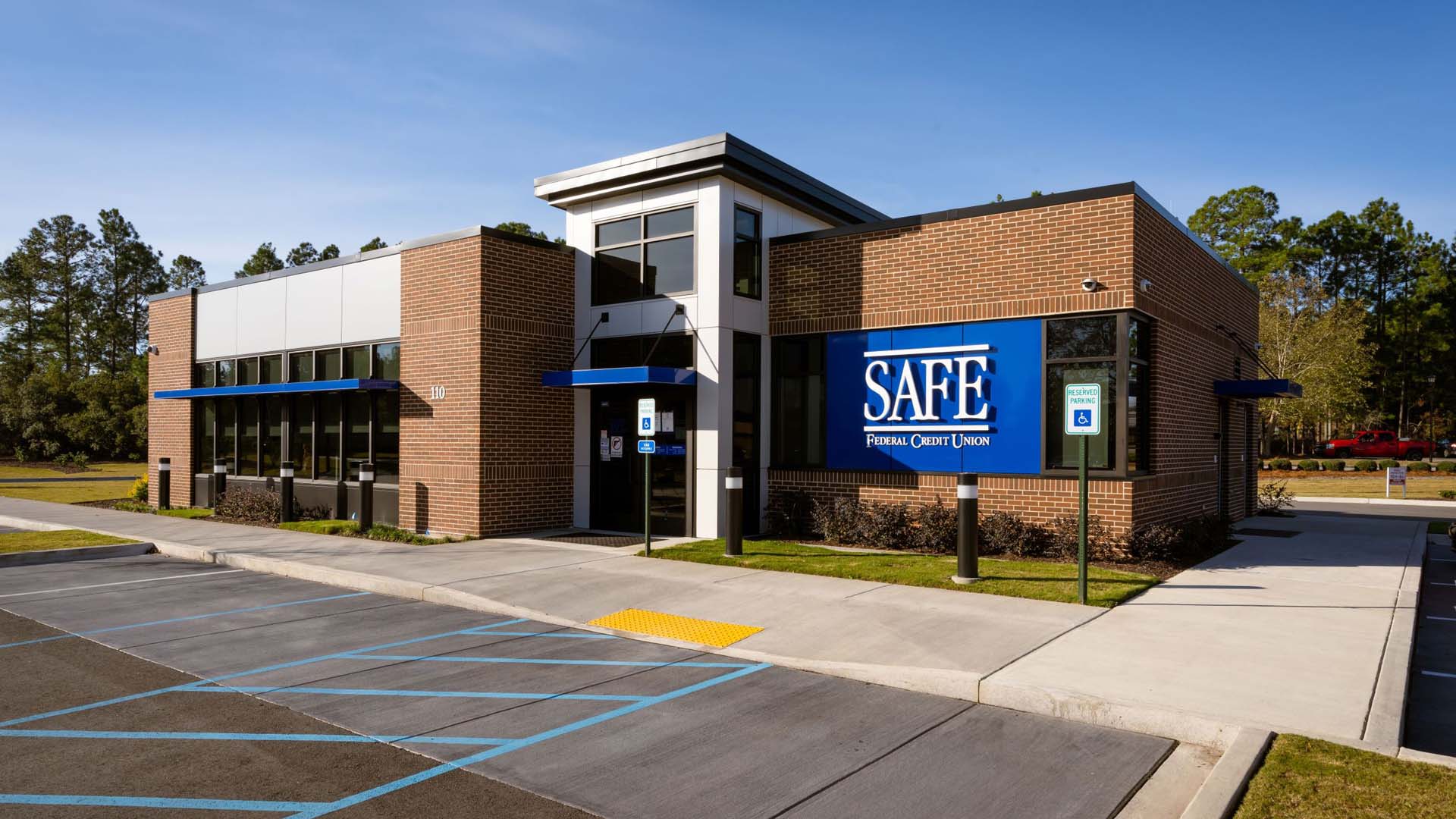
SAFE Federal Credit Union teller line SAFE Federal Credit Union Red Bank Branch Lobby

The Branch is Still a Growth Engine

One of the biggest takeaways from the conversation: the branch is not going away. It’s evolving.

Branches are no longer transaction centers. They’re relationship centers, and they are still driving growth.

Wishnek put it well: “The physical branch helps build credibility.” While Gallagher added: “Members want to know the branch is there if they need it.”

Even as transactions decline, the branch remains the place where trust is built, where life-changing conversations happen, and where members deepen their relationship with the credit union.

How Branch Design is Changing

As the role of the branch shifts, the design of the branch is shifting with it. Several themes emerged:

1. Smaller Teller Lines

With transactions down, the traditional teller line is shrinking. SAFE has reduced teller stations in new branches from six or eight to three or four.

2. Universal Banker Models

Truliant has fully embraced universal bankers—staff who can handle transactions, open accounts, and originate loans. This flexibility reduces wait times and improves the member experience.

3. More Collaborative, Flexible Space

Mortgage lenders, business bankers, and financial advisors often rotate between branches. That means:

  • More shared offices
  • More small meeting rooms
  • More open, welcoming seating

Montgomery emphasized the importance of flex offices and small conference rooms to support these specialists.

4. Concierge + ITM Integration

Coastal’s ITM-first model means members complete transactions with remote tellers, while in-branch staff focus on advisory conversations. A concierge greets members and guides them to the right resource, whether that be human or digital.

ORNL Federal Credit Union branch lobby ORNL Federal Credit Union West Financial Project

What This Means for the Future of Credit Union Design

If you zoom out, the direction becomes clear:

  • Digital is becoming the default.
  • AI is becoming the accelerator.
  • The branch is becoming the differentiator.
  • People are still the heart of the experience.

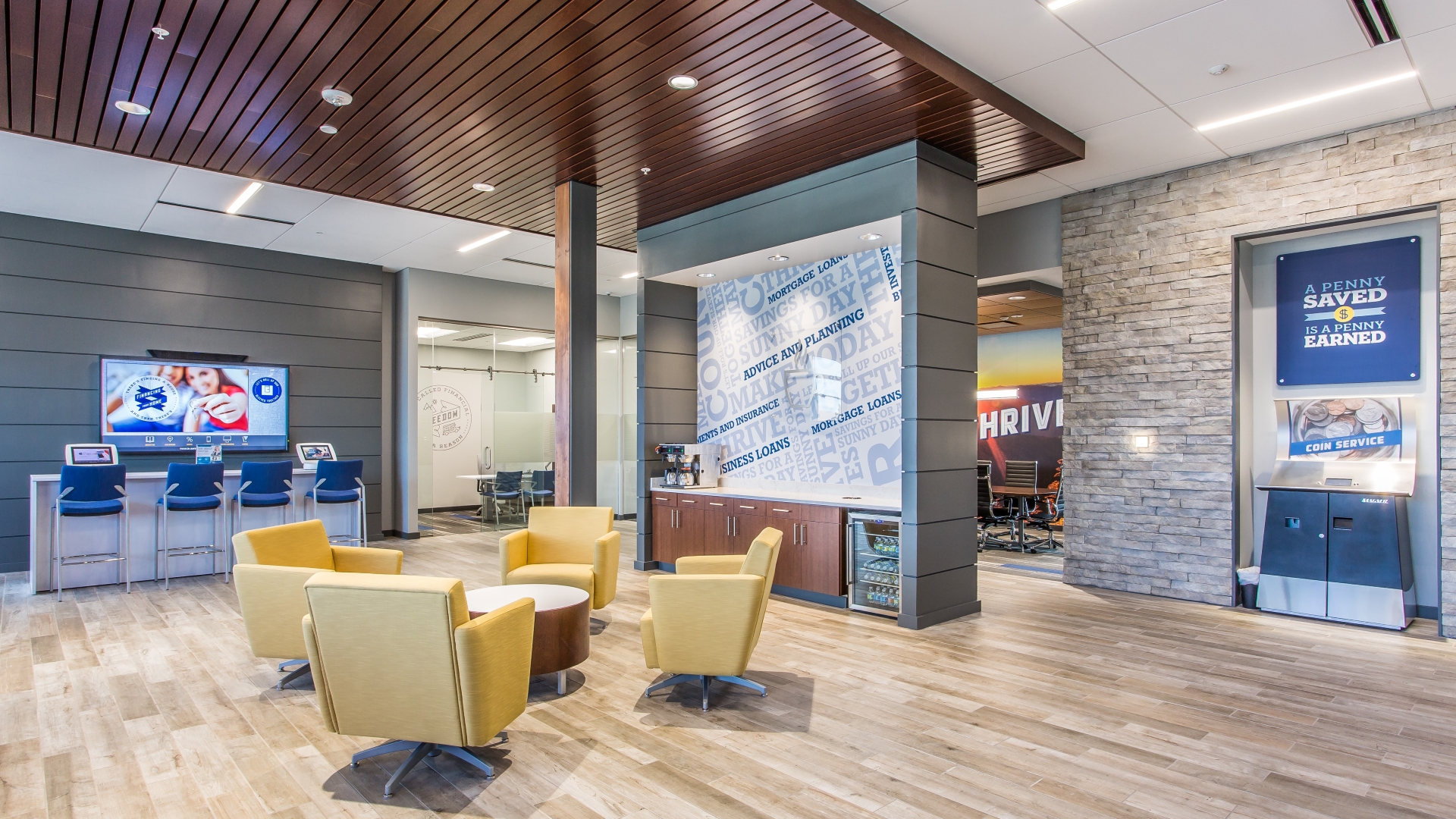
That means branch spaces need to be flexible, intuitive, and deeply human. Spaces that support both digital convenience and personal connection. Spaces that feel less like a transaction counter and more like a financial living room.

Credit unions aren’t just adapting to change. They are using it to elevate the member experience in ways that feel authentic to who they are.

The future of member experience will be defined by intentional design—spaces that blend digital convenience with personal connection. Whether you’re reimagining your branch network, planning new growth, or adapting to changing member expectations, reach out to our team to explore how thoughtful branch design and strategy can support your next step forward.

Copyright ©2026 Design Collaborative