Intern Research: Reimagining Science Central
Summer Semester Interns
September 14, 2026Post Tagged in
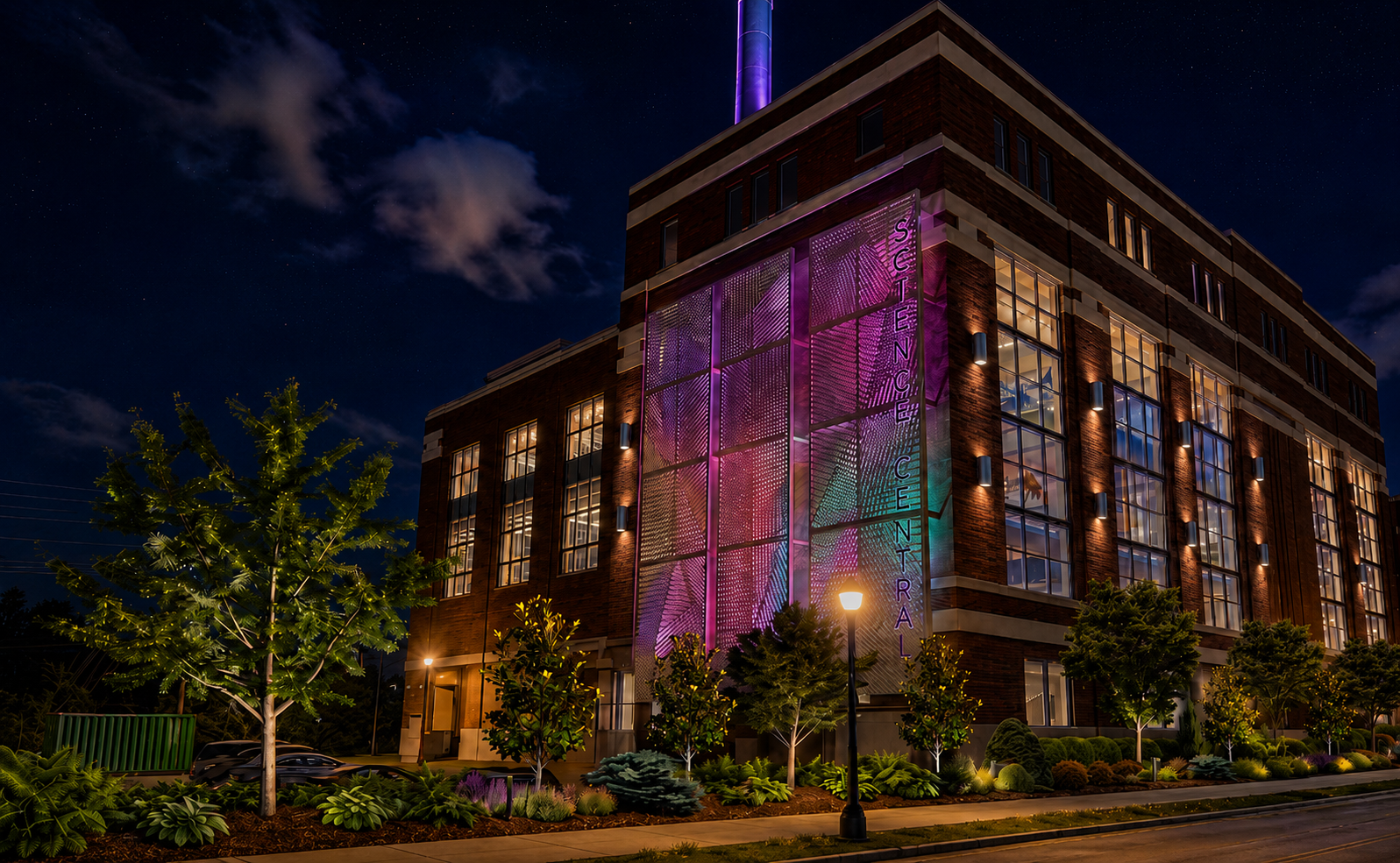
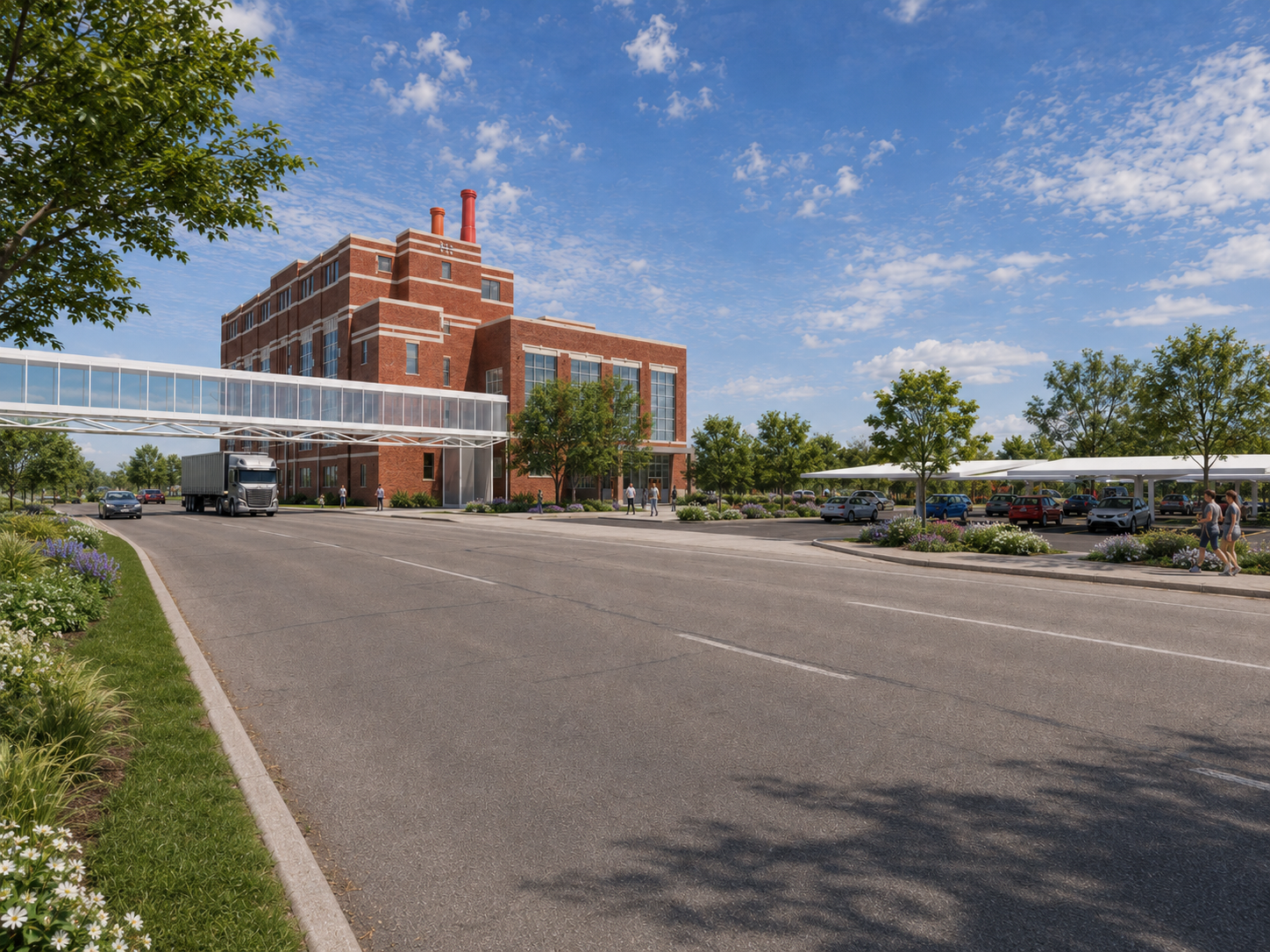
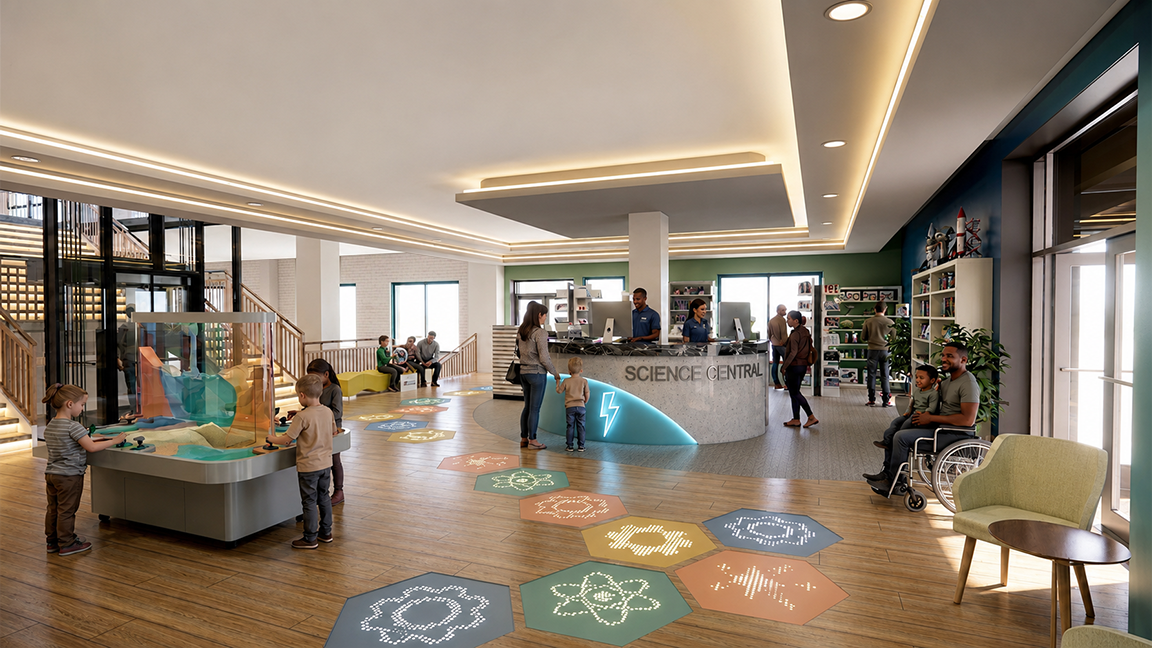
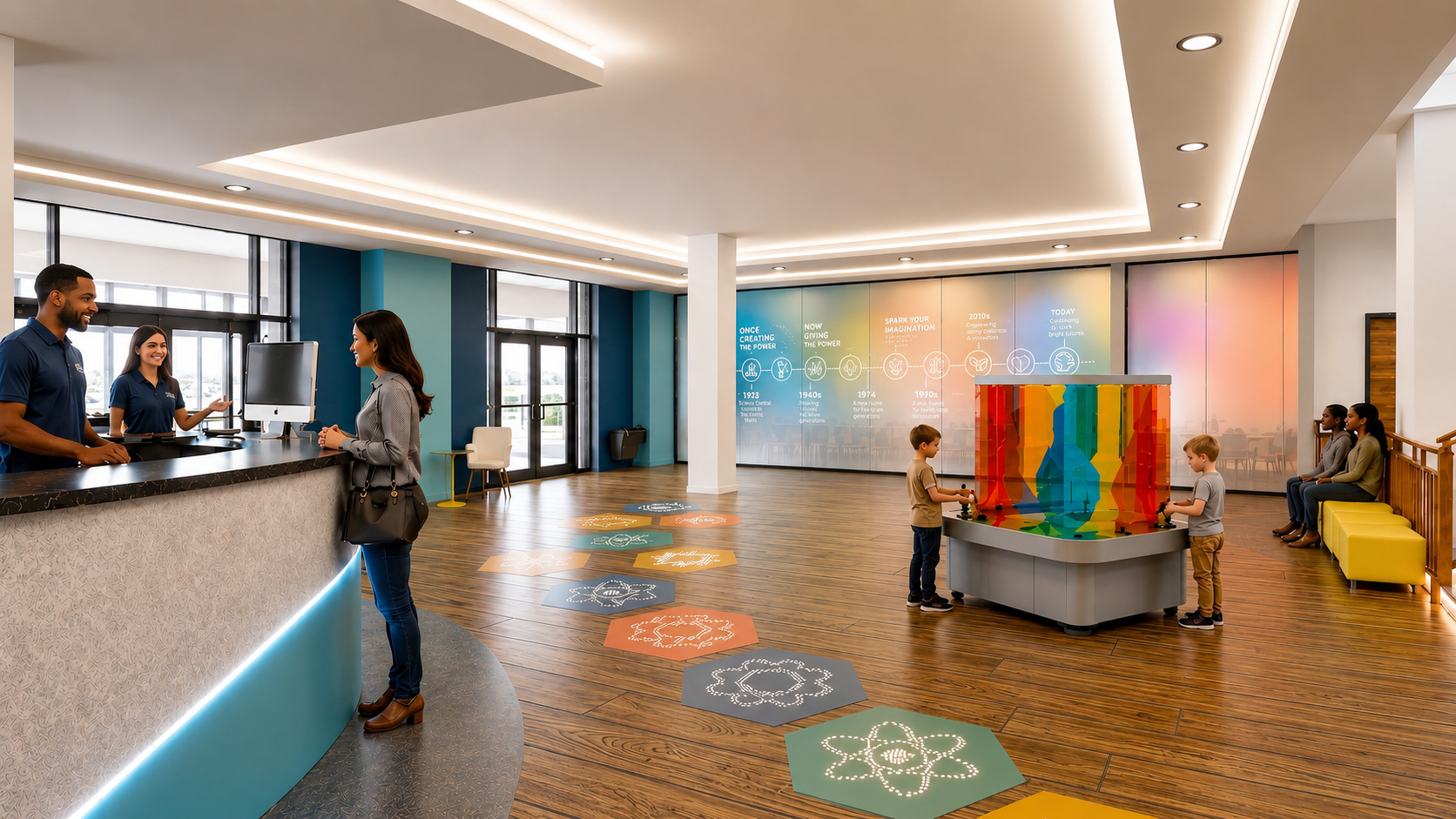
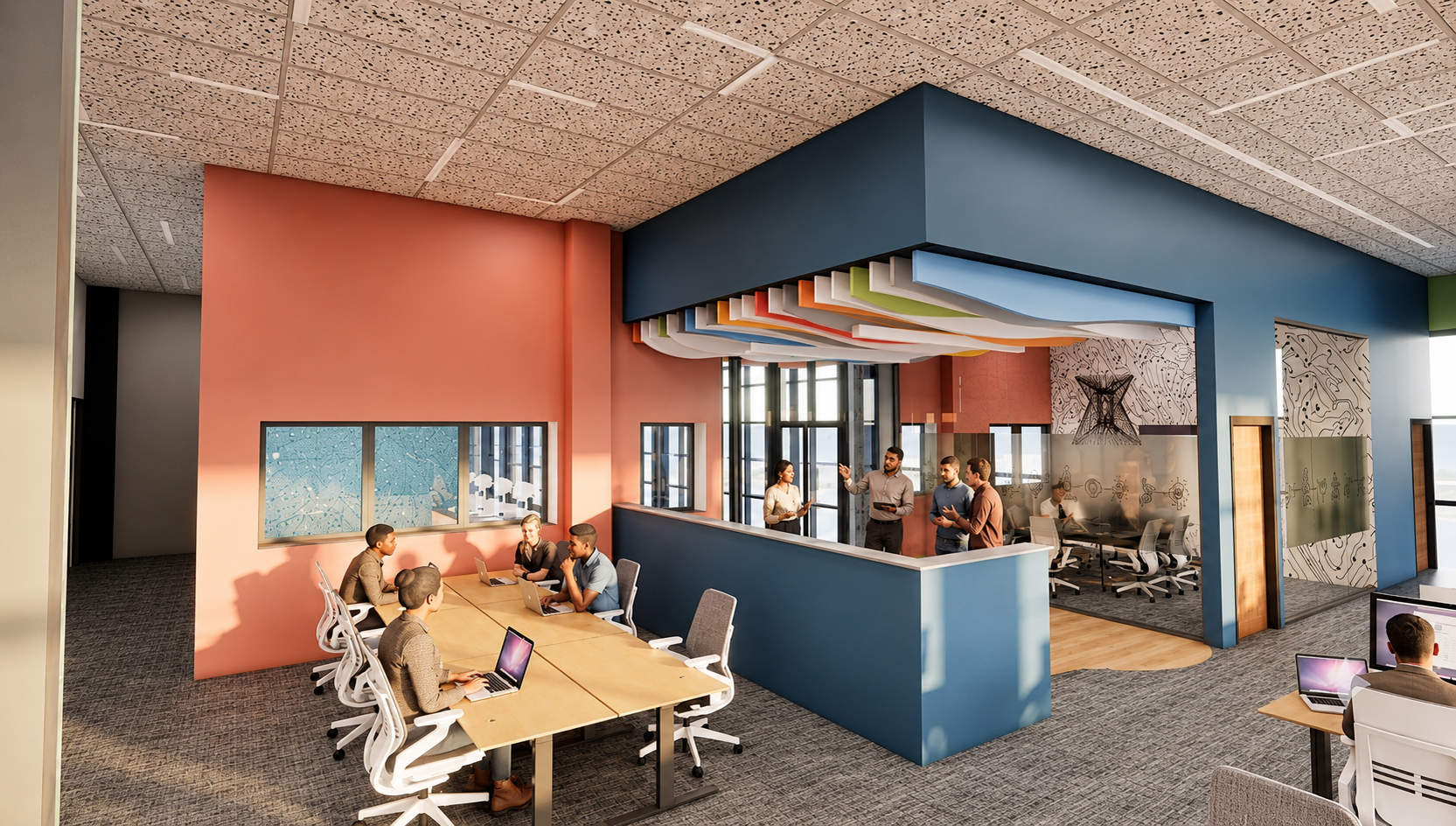
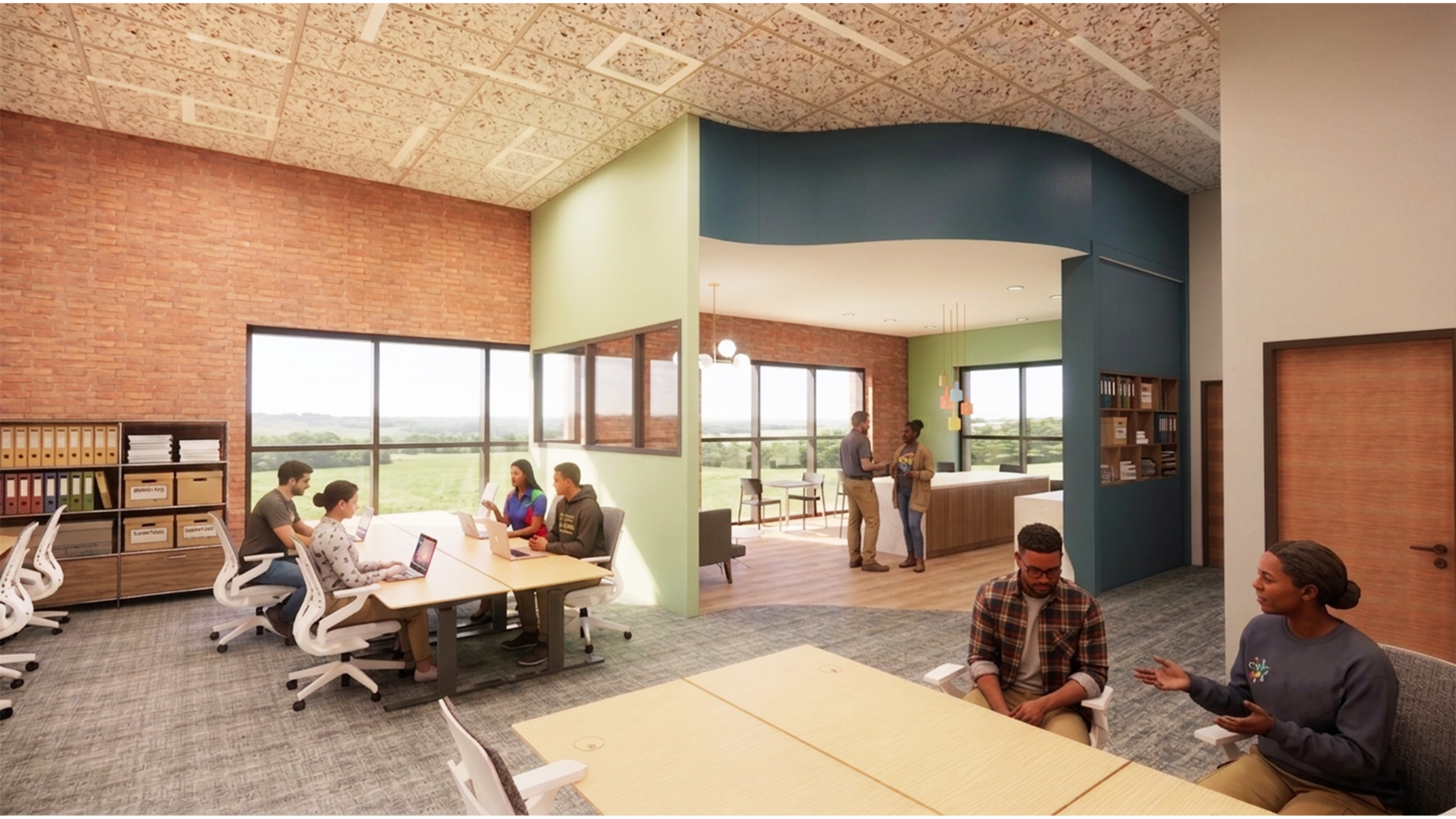
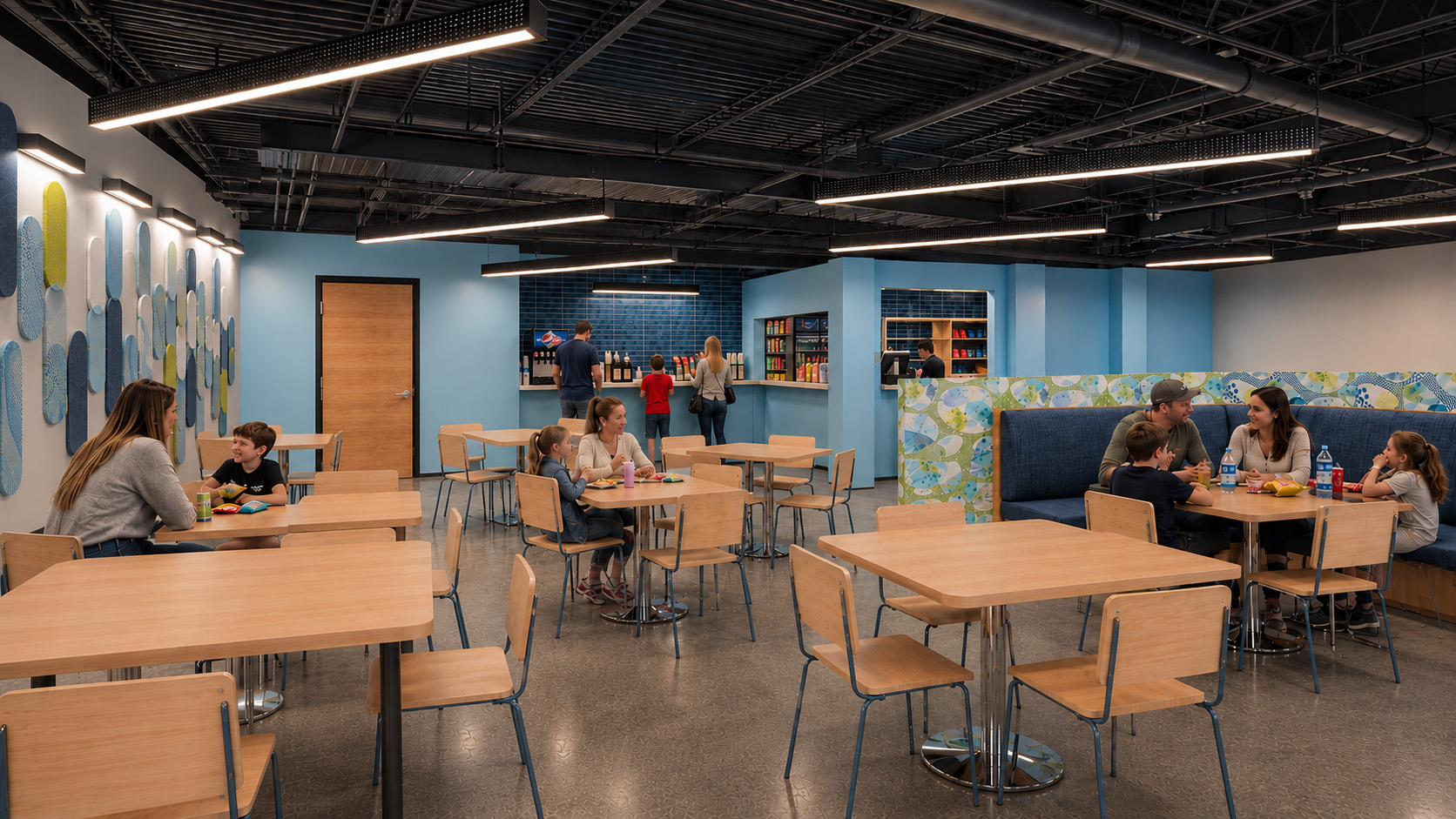
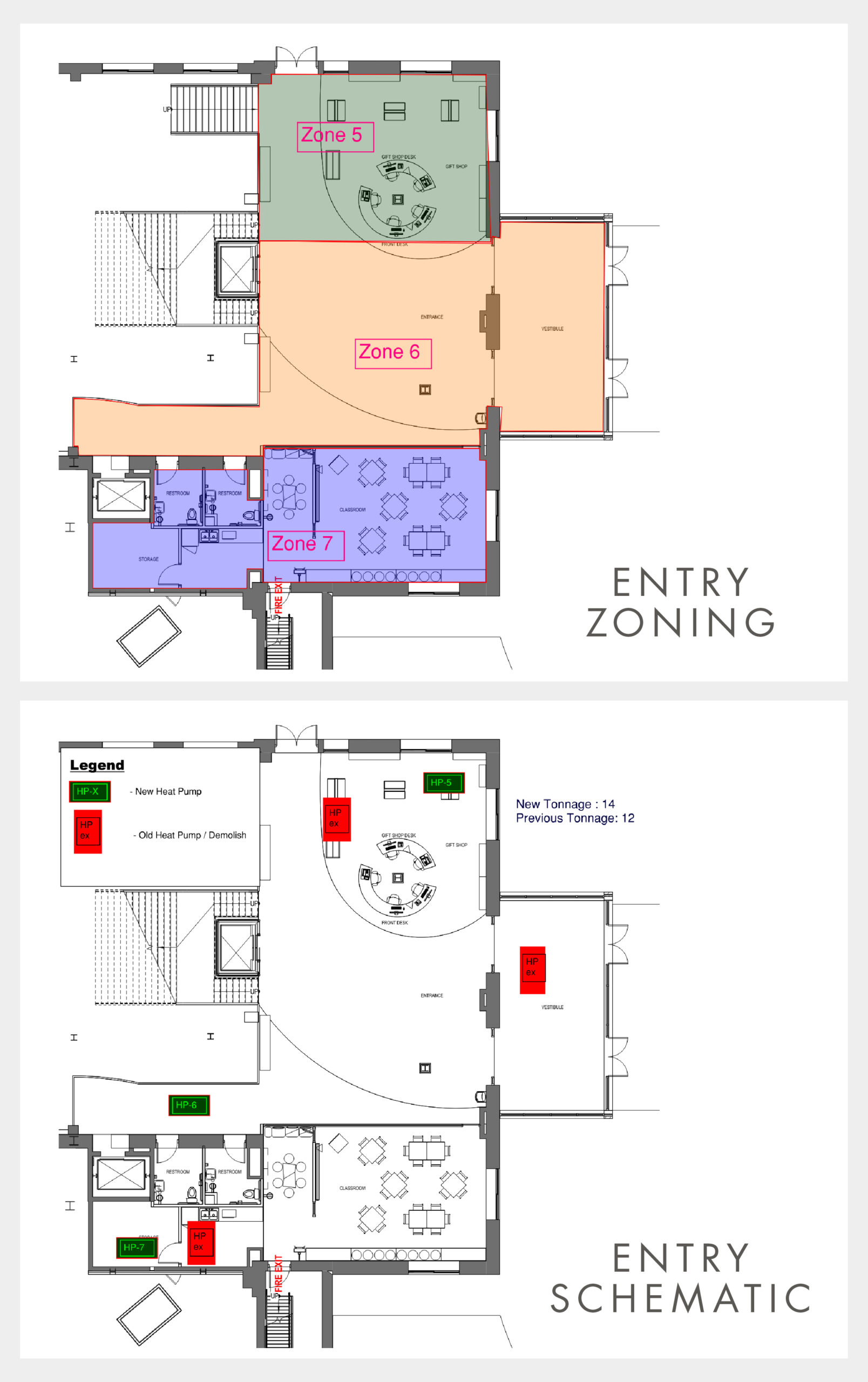
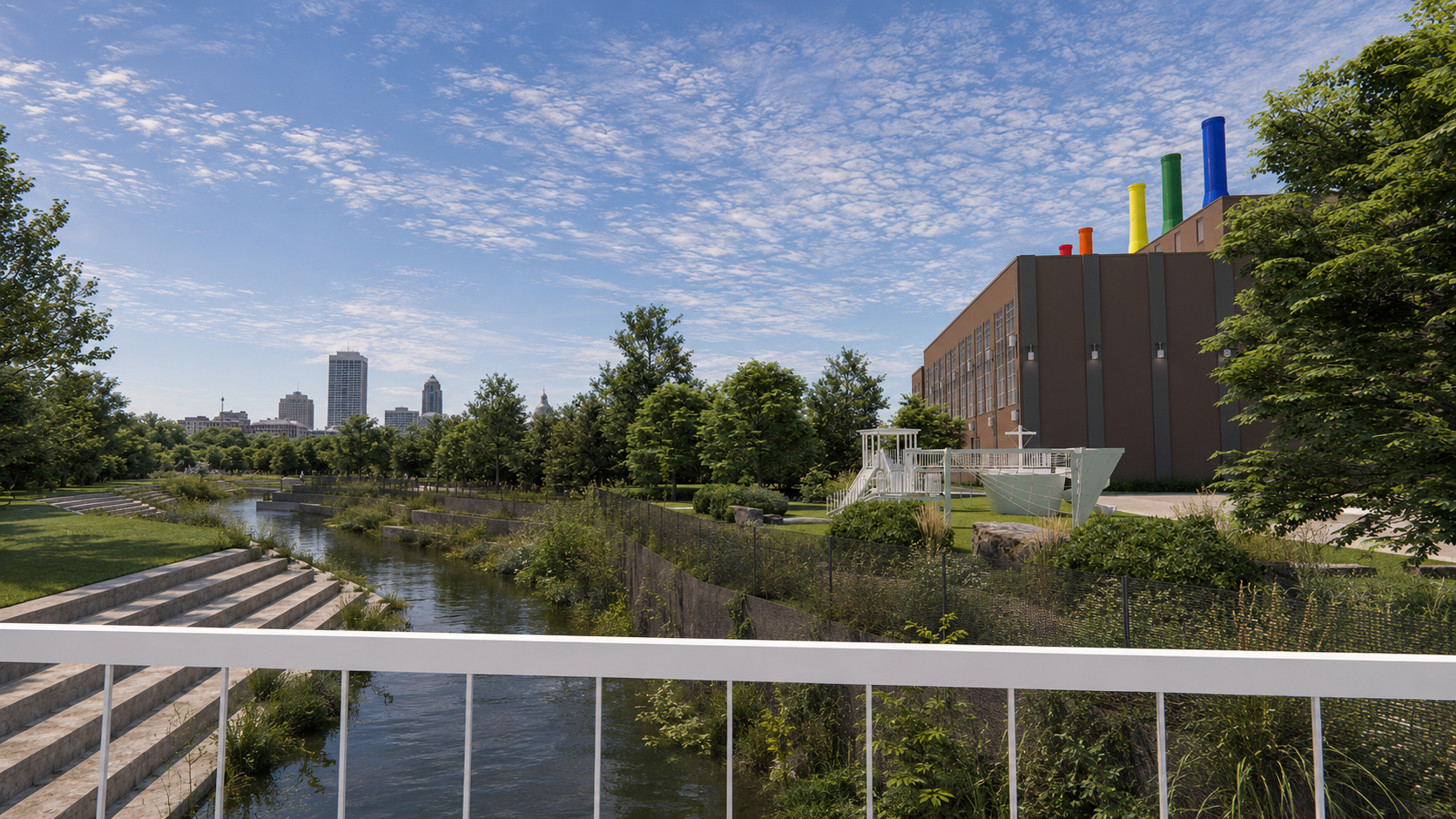
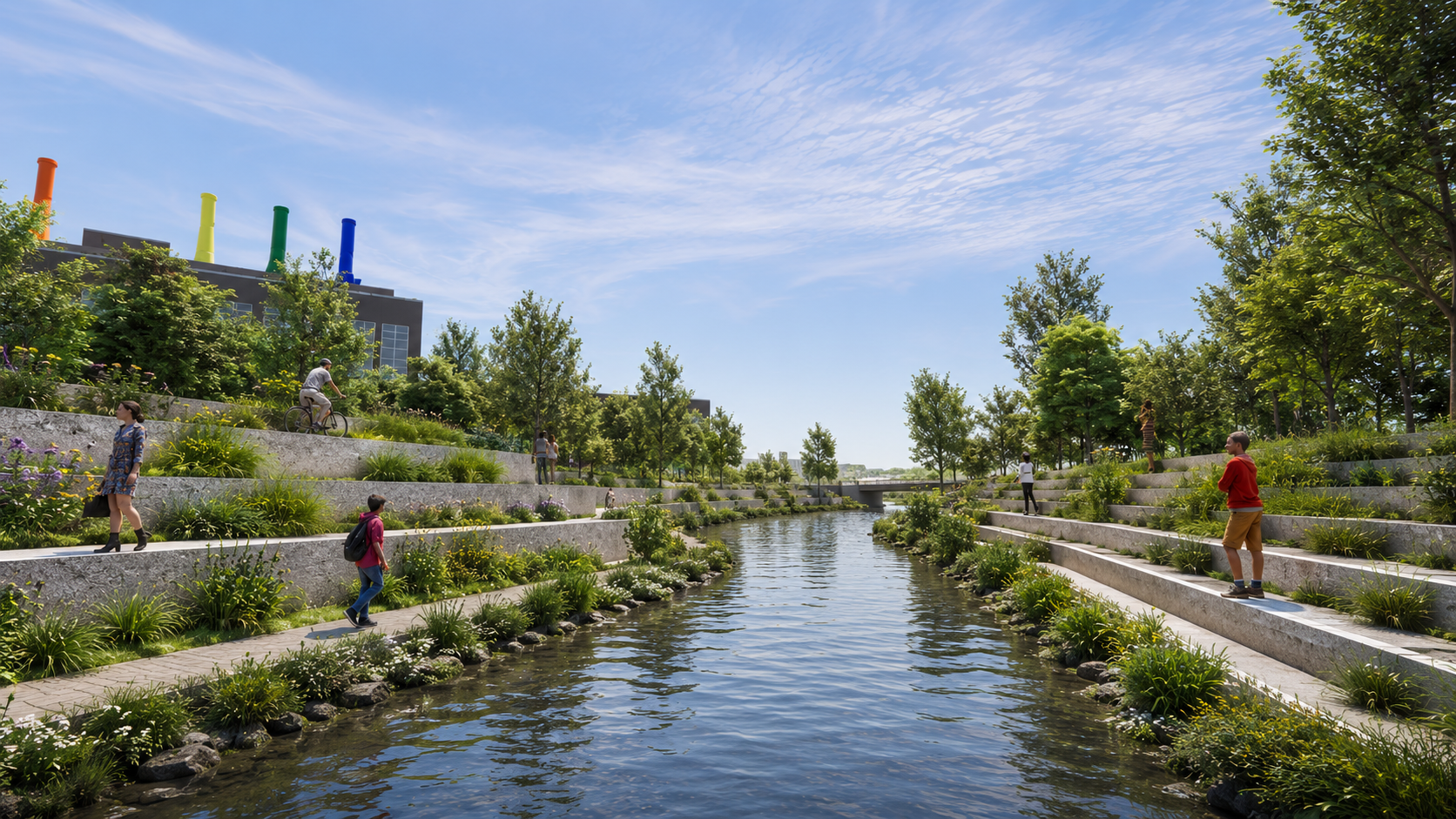
Science Central has long been one of Fort Wayne’s most recognizable landmarks, but its location presents opportunities that extend far beyond the building itself.Positioned along the St. Joseph River and adjacent to the city’s expanding riverfront, Lawton Park, and existing greenhouses, the museum has the potential to become a stronger civic destination that connects education, recreation, and the natural environment. Our proposal focuses on strengthening these connections through a series of thoughtful site and architectural interventions. New riverfront pathways, revitalized outdoor gathering spaces, expanded educational landscapes, and a pedestrian sky bridge create a seamless relationship between Science Central and the surrounding city. Sustainable additions, including solar canopies and enhanced exterior lighting, celebrate the building’s history as a former power plant while looking toward a more resilient future. Inside, the design reimagines key spaces to improve the visitor experience. A welcoming new entrance, flexible classrooms, an acoustically enhanced atrium, collaborative administrative spaces, and a refreshed café support learning, community events, and everyday interaction. Throughout the project, the historic character of Science Central is preserved while contemporary design strategies create an environment that is more accessible, engaging, and adaptable. Rather than simply renovating a museum, this proposal envisions Science Central as a catalyst for community life—one that inspires curiosity, celebrates Fort Wayne’s heritage, and creates new opportunities for education, exploration, and connection for generations to come. |
|
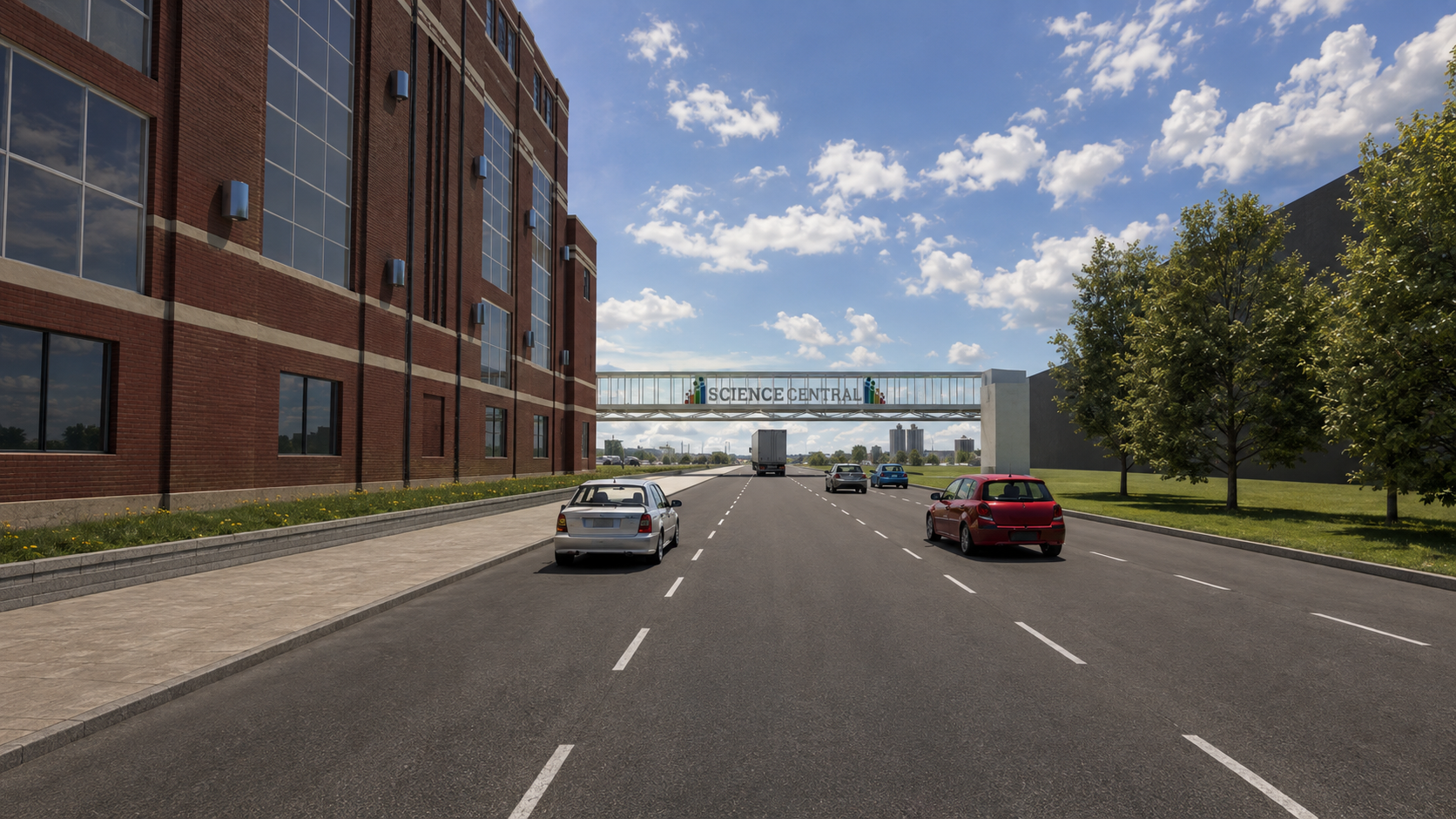 |
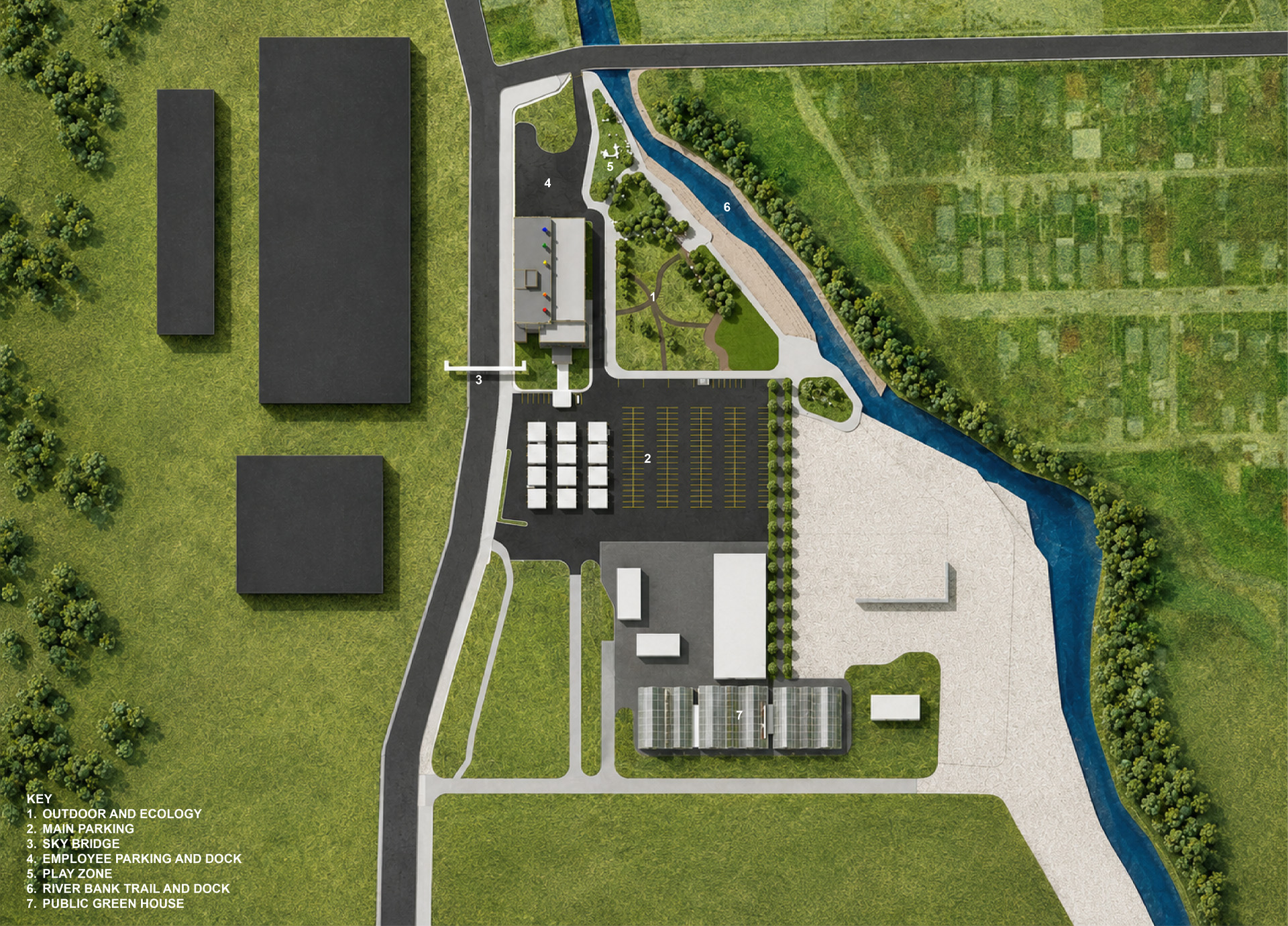
Starting With the SiteWhen we visited Science Central, one of the first things we noticed was how much potential existed outside the building. Science Central is already an important part of Fort Wayne’s landscape, especially along Clinton Street, but there are opportunities to make the museum feel more connected to everything happening around it. We started asking questions: How can people be encouraged to move between Science Central, Lawton Park, the riverfront, and the surrounding developments? How can the site become somewhere people want to spend more time, even if they aren’t visiting the museum that day? And how can the building make a stronger first impression? Those questions led us to several ideas for the site. Along the riverfront, we envisioned pathways and gathering spaces that could connect Science Central to the larger network of riverfront development throughout Fort Wayne. Instead of treating the floodplain as a limitation, we saw an opportunity to make it part of the experience. A landscape designed to accommodate flooding could also become a place for play, exploration, and public gathering. On the large open area near the building, we proposed regrading the site and adding pathways to create a flexible outdoor space. Rather than limiting the area to permanent exhibits, the space could support changing activities, events, and outdoor learning. We also saw an opportunity to connect Science Central with the existing greenhouses. Opening one or two of the greenhouses to the public could extend the museum’s reach across the site and create opportunities to explore local ecology and the natural environment. Another major connection would come from a proposed pedestrian sky bridge across Clinton Street. Beyond making it easier to connect Science Central with future development, the bridge could become an extension of the museum’s identity. |