When people think about designing a new healthcare facility, they often picture floor plans, renderings, and construction schedules.

Those are all important, but the most successful healthcare projects begin long before design. They begin by understanding the people who will use the building.

That was certainly true for Rush Memorial Hospital’s Milroy Clinic. While every community is different, the lessons from this project apply to nearly any rural healthcare organization planning a renovation, replacement facility, or new clinic.

The building wasn’t the starting point. The community was.

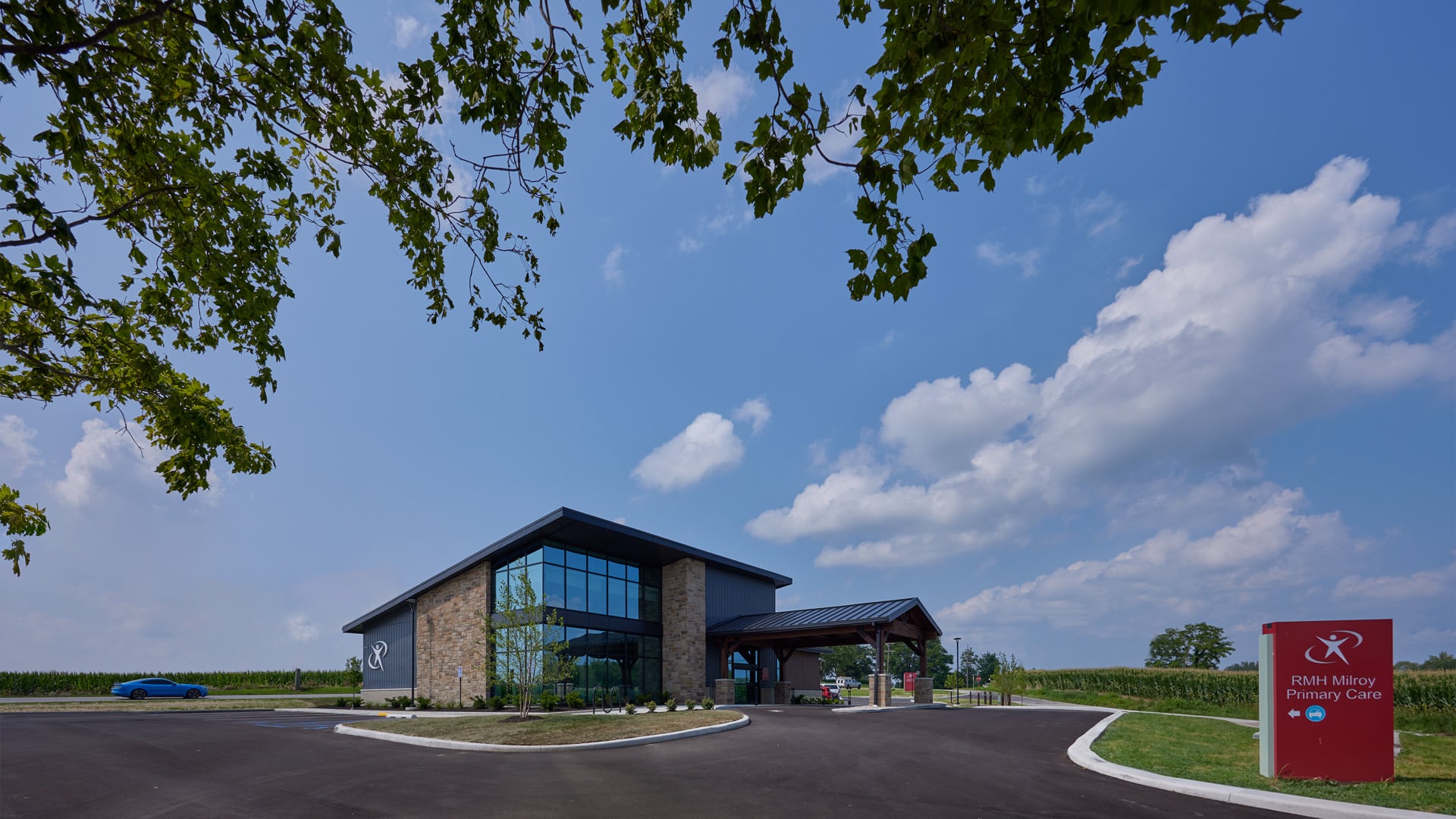
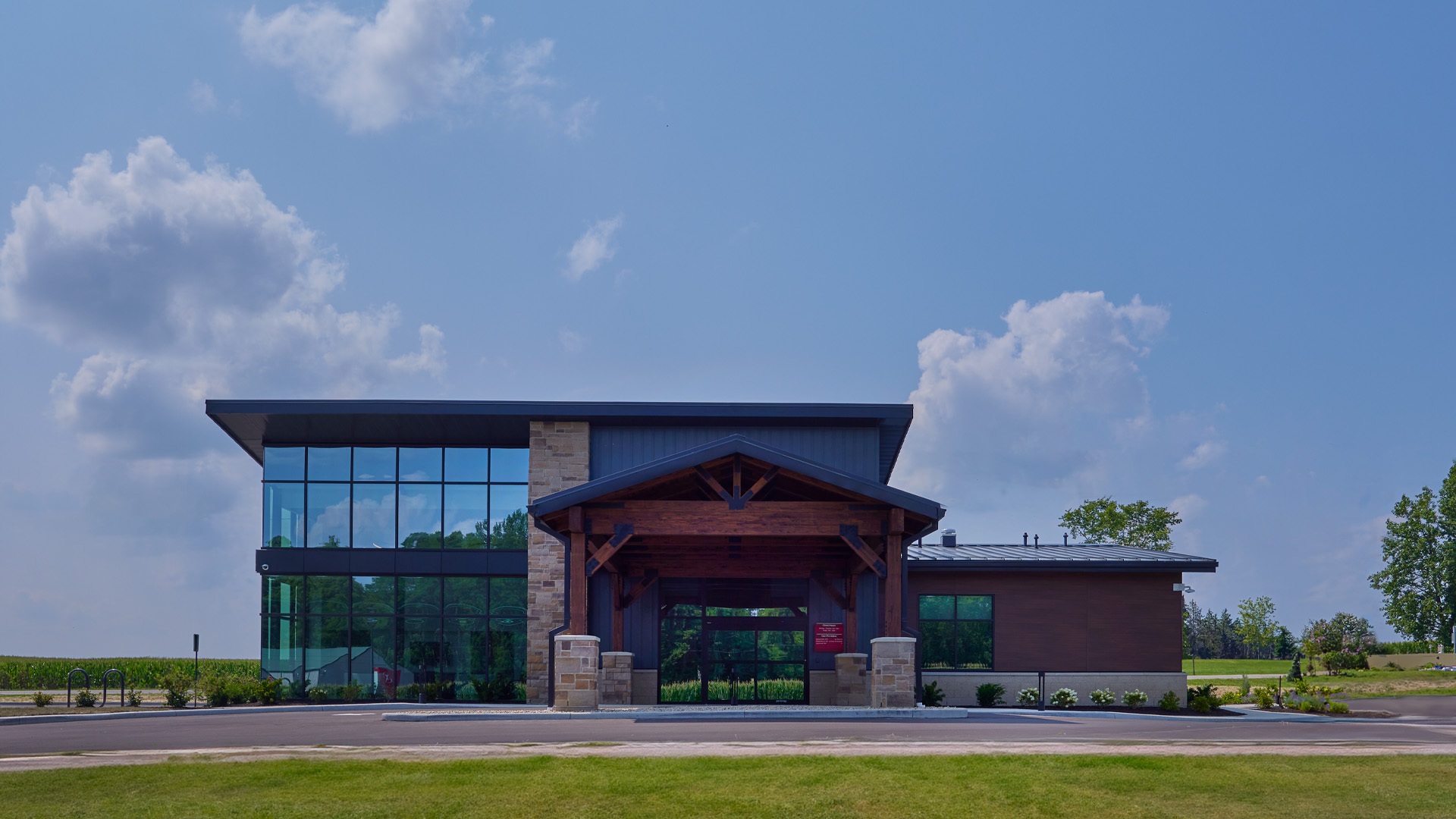
Rush Memorial Milroy Clinic building with large windows reflecting the blue sky.

Design Should Solve Problems Before They’re Built

Healthcare projects are full of decisions. How large should the building be? How many exam rooms do we need? What should the patient experience look like? Those are important questions, but they shouldn’t come first.

Before any design began for the clinic, Rush Memorial Hospital had already invested time learning about the community they were serving. They understood the local market, recognized the opportunity created by a retiring physician, and saw the importance of maintaining healthcare access for residents who preferred receiving care close to home.

Just as importantly, they spent time listening.

Hospital leadership met with community stakeholders, local businesses, emergency responders, and members of the local Amish community to better understand how people lived, worked, and accessed healthcare.

That research gave us something far more valuable than a programming spreadsheet. It gave us context. As architects, that’s one of the greatest gifts a client can provide.

Every Community Has Its Own Definition of Access

When we talk about improving access to care, it’s easy to focus on distance alone. In reality, access is much more personal.

For some patients, it’s having parking that feels safe and easy to navigate. For others, it’s minimizing the amount of time a family member has to take off work to drive them to an appointment. In Milroy, it also meant recognizing that not every patient arrives by automobile.

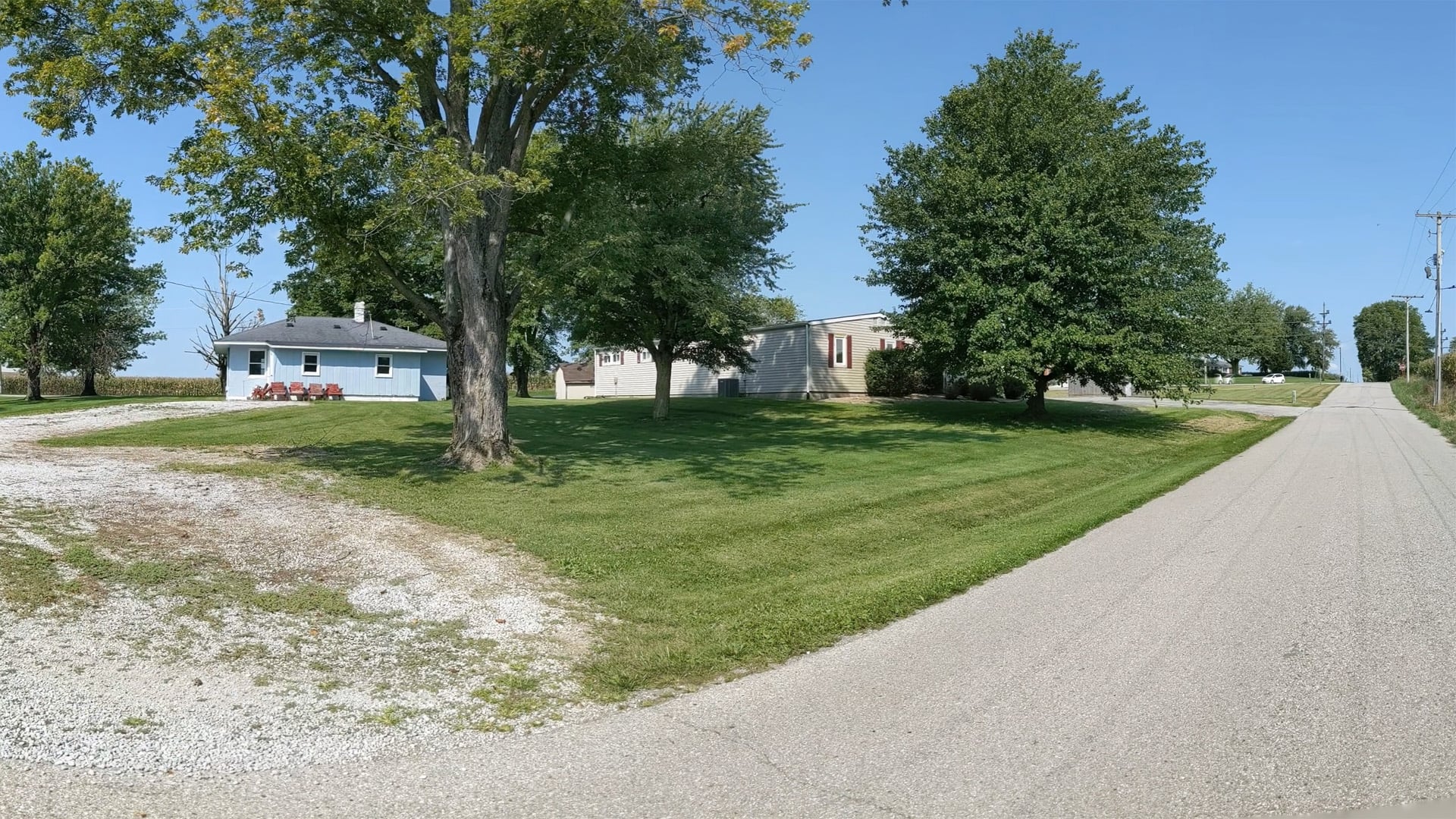
Conversations with the local Amish community revealed practical needs we never would have understood by looking at demographics alone. The site needed accommodations for horse-and-buggy transportation, bicycle access, and clinic hours that aligned with the schedules of local business owners.

Those aren’t architectural features someone adds to a checklist. They’re responses to listening.

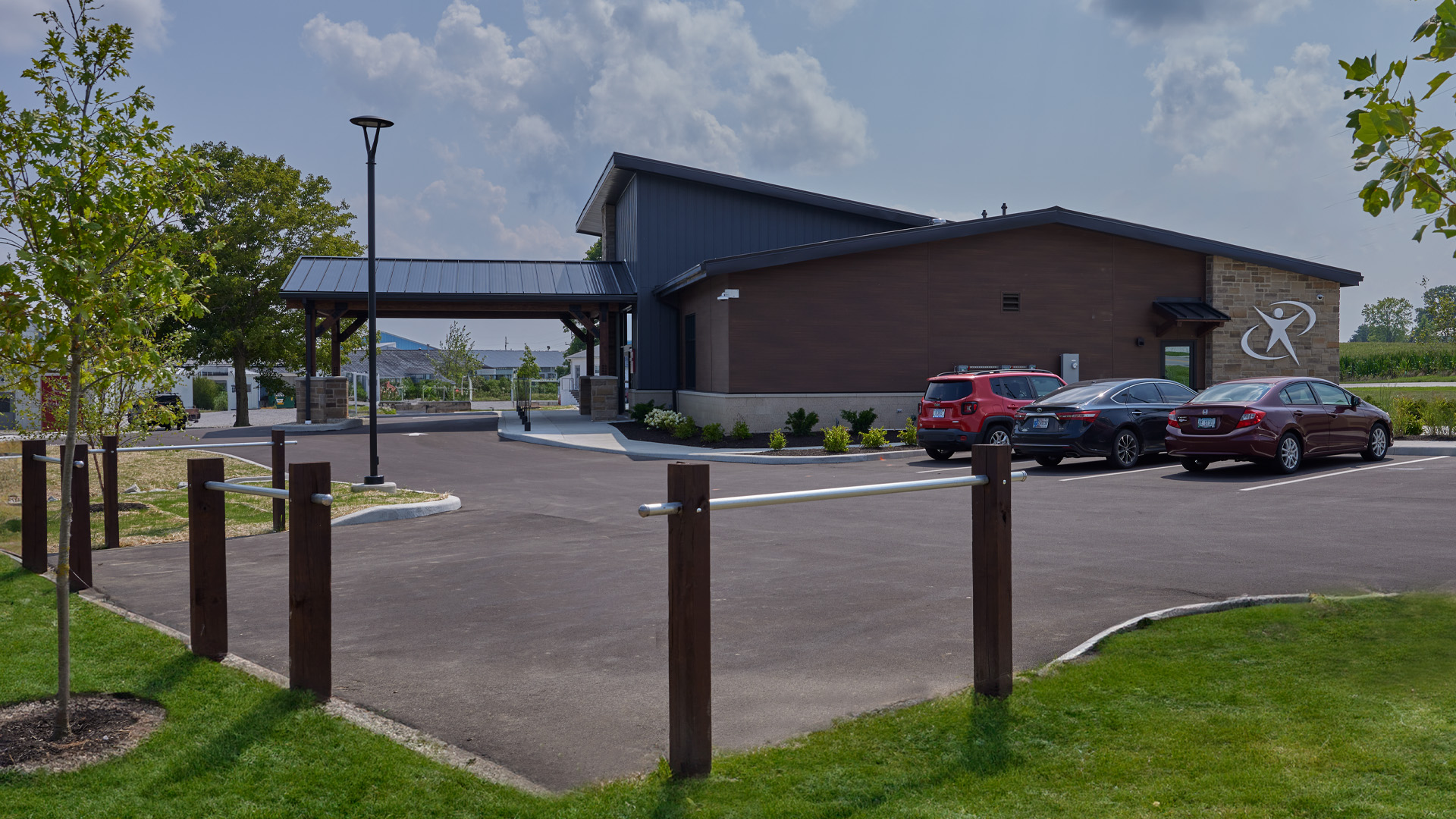
Clinic exterior with large glass window feature, warm wood tones, and stone.

Human-Centered Design Isn’t a Trend

Human-centered design has become a popular phrase, but at its core, it’s really about one thing: creating environments that support people. That includes patients, families, providers, and staff.

Throughout the Milroy Clinic, every design decision was measured against that objective.

  • Could patients easily find their way through the building?
  • Would providers be able to maintain eye contact while documenting patient information?
  • Did staff have efficient workflows that reduced unnecessary travel?
  • Would patients feel welcomed instead of intimidated?

These questions shaped everything from the layout of the nurse stations to the organization of exam rooms and circulation paths.

Good healthcare design isn’t about making a building look impressive. It’s about making care easier to deliver.

Small Decisions Have a Big Impact

One of the things I appreciate about healthcare design is that seemingly small decisions often have the greatest impact on the patient experience.

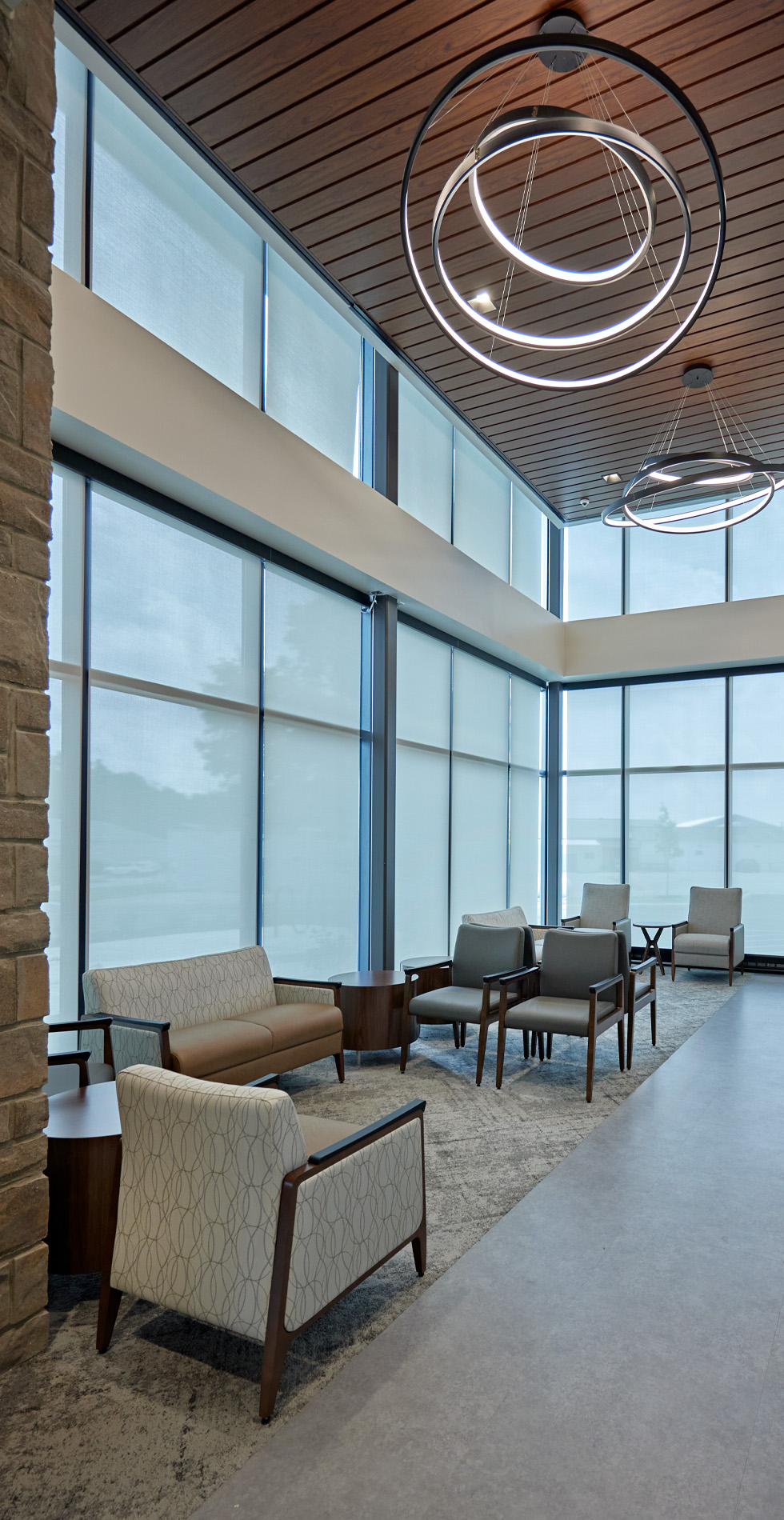
  • Natural daylight reduces stress.
  • Clear sightlines improve communication between caregivers.
  • Larger restrooms make it easier for caregivers to assist patients.
  • Wider parking spaces improve accessibility long before someone reaches the front door.

None of these decisions dramatically change the project budget. Together, however, they significantly change how people experience the building. That’s where thoughtful design creates lasting value.

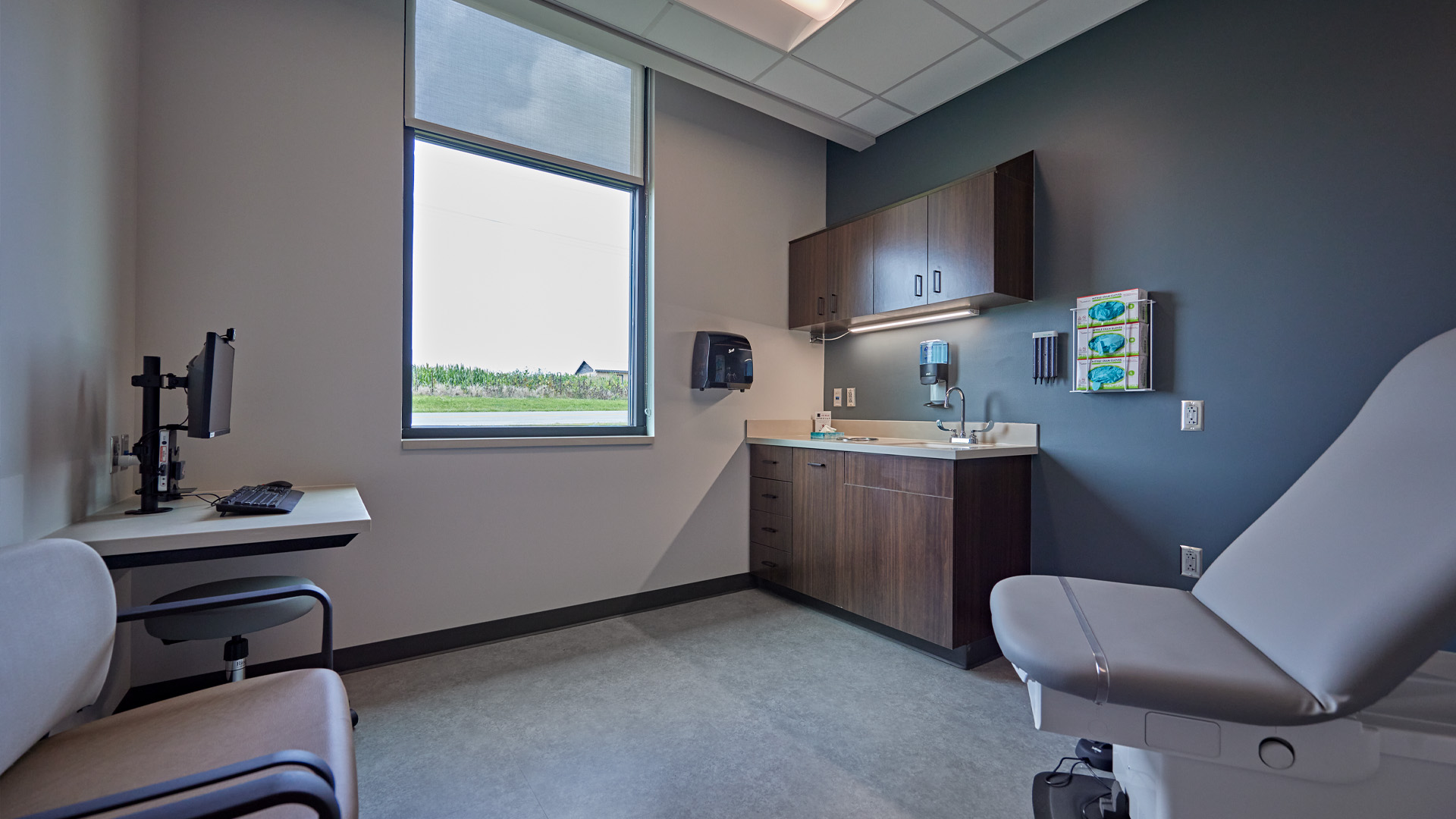
Exam room with wood casing and blue walls.

Right-Sized Doesn’t Mean Less

Rural healthcare organizations understand budgets better than anyone. Every square foot matters.

Rather than beginning with a standard clinic prototype, we worked with Rush Memorial to create a facility that reflected how their providers actually deliver care and how their community actually uses healthcare.

That’s what we mean by right-sizing.

It’s not simply making a building smaller. It’s ensuring every space has purpose, supports operations, and contributes to a better patient experience.

When every square foot works harder, organizations can invest more strategically in the features that matter most.

The Building Continues Teaching After It Opens

One of the most valuable parts of any project happens after occupancy.

No matter how much planning goes into a building, there’s always something to learn once patients and staff begin using it every day.

For the Milroy Clinic, those lessons included adding automatic door operators to better support patients with wheelchairs, walkers, strollers, and car seats. The team also discovered that generous storage—which initially seemed impossible to fill—created opportunities to improve inventory organization through better systems rather than additional space.

Even small observations became valuable feedback for future projects. That’s one of the reasons post-occupancy conversations are so important. Good design continues to evolve through experience.

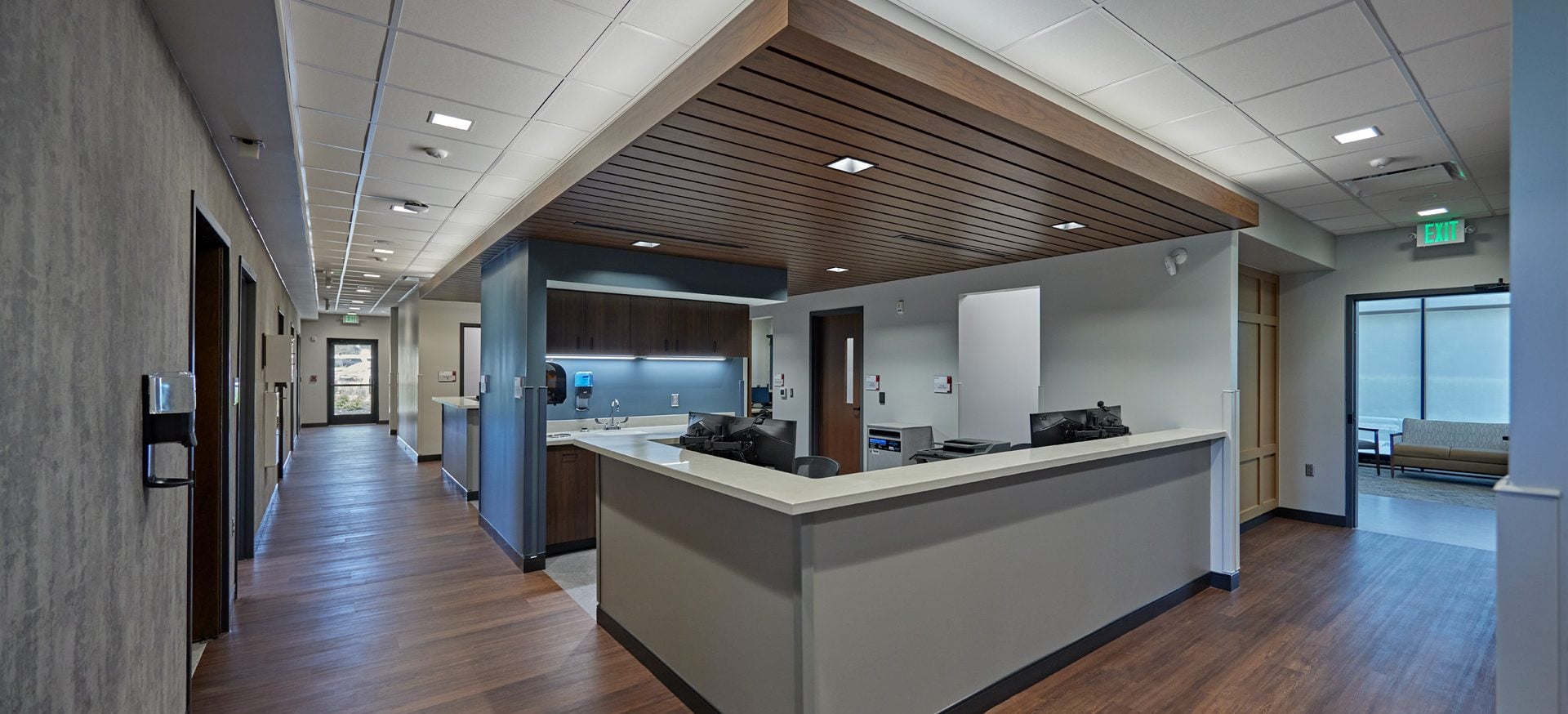
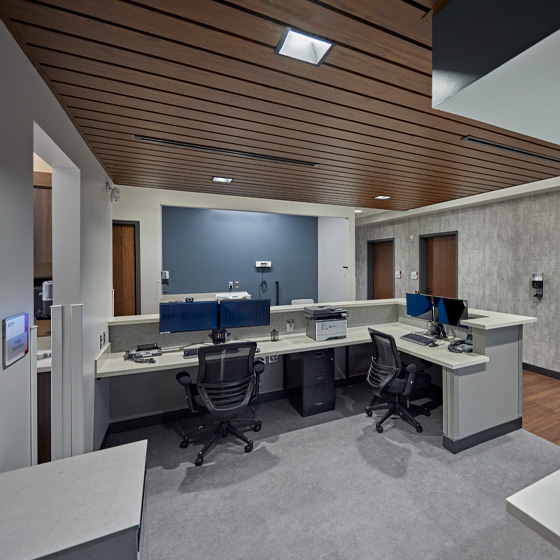
Nurses station with warm wood tones and blue accents.

The Best Design Begins with Listening

The Milroy Clinic received recognition by AIA Indiana for its design, but awards were never the goal. The real measure of success is that the community embraced it.

Patients felt comfortable walking through the doors. Providers gained a workplace designed around how they deliver care. Staff benefited from efficient workflows. Community members saw their input reflected throughout the finished facility.

None of that happened because of architecture alone. It happened because design was informed by listening.

As architects, we can design beautiful buildings. But when we understand the people those buildings are meant to serve, we create environments that improve care, strengthen communities, and continue delivering value long after construction is complete.

That’s where the best healthcare design begins.

Great healthcare design starts with listening. If you’re ready to create a facility that reflects your community’s needs, supports your caregivers, and delivers lasting value, connect with our team to discuss your vision.

Copyright ©2026 Design Collaborative