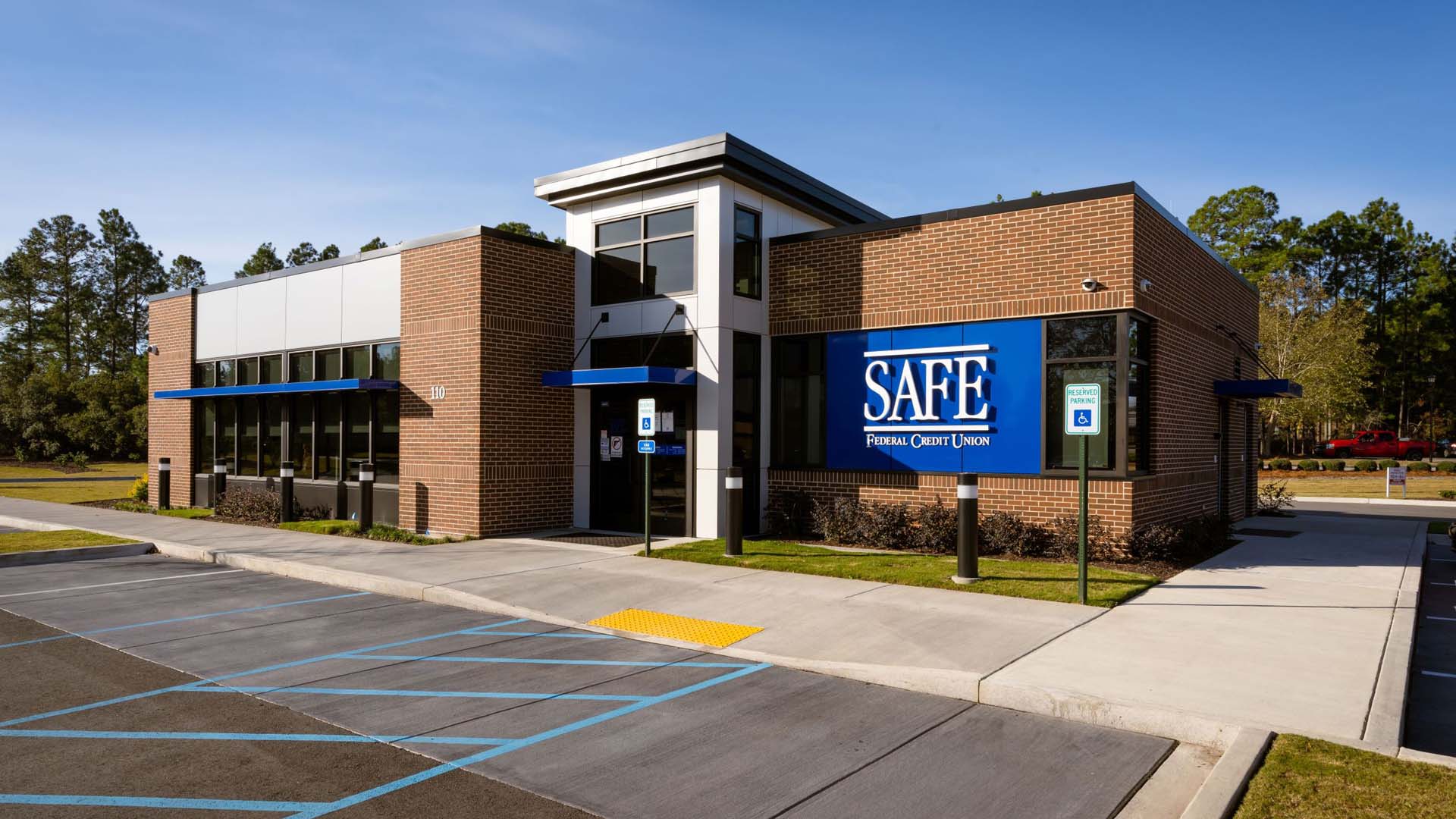
Credit Unions are Reimagining Member Experience and the Branch Still Matters
By Jared Monce, AIA
June 18, 2026Post Tagged in
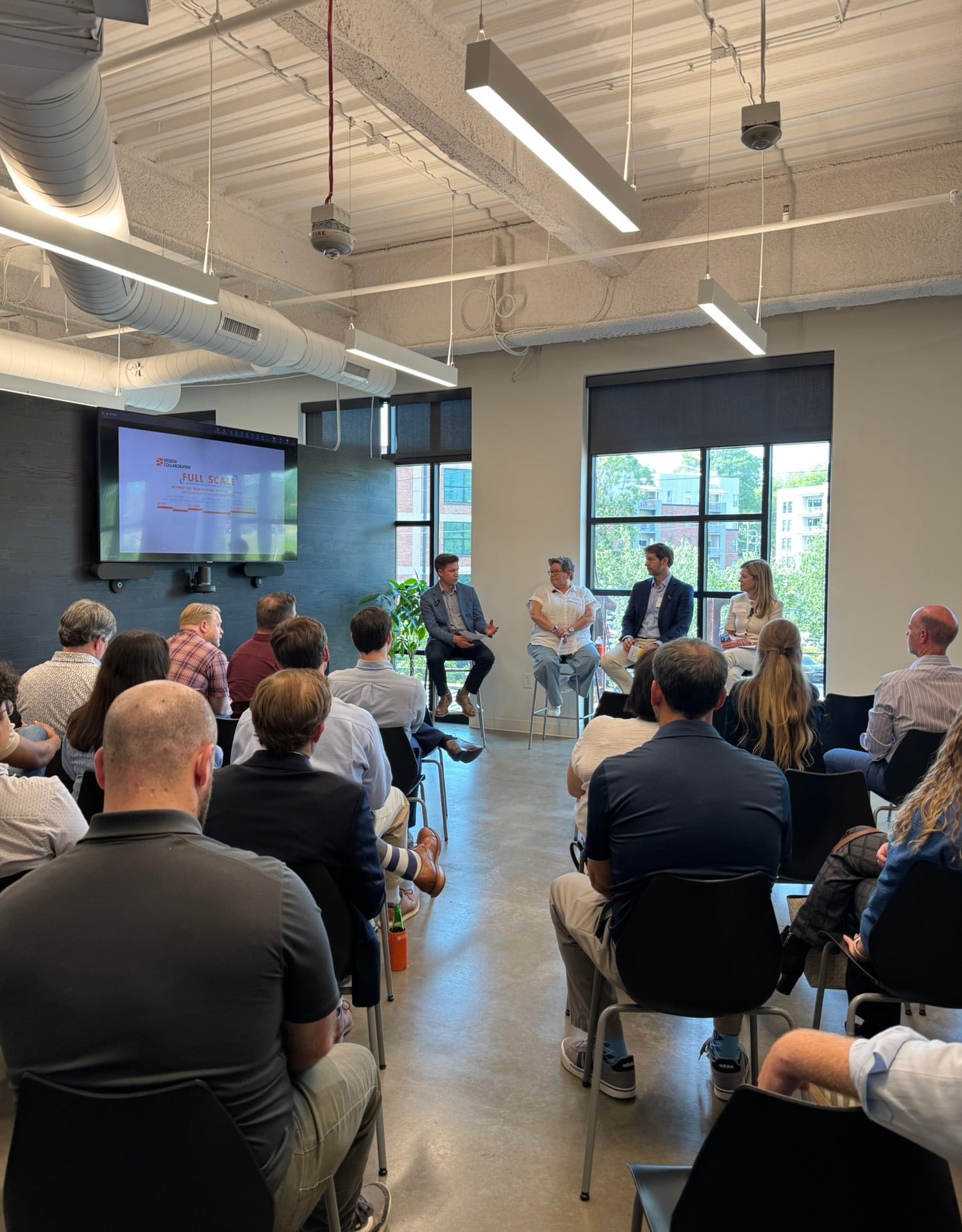
Credit unions are in the middle of a major shift.Member expectations are changing, digital tools are accelerating, and the role of the physical branch is being redefined in real time. Yet even with all this change, one thing remains constant: people still want to feel known, supported, and connected to their financial institution. To explore how credit unions are navigating this moment, we recently brought together leaders from three organizations that are actively reshaping the member experience: Jennifer Gallagher, Vice President of Support Services and Branch Expansion at Coastal Credit Union; Jay Montgomery, Senior Vice President of Operations at SAFE Federal Credit Union; and Judy Wishnek, Senior Vice President, Charlotte Market President at Truliant Federal Credit Union. Their perspectives offered a clear picture of where the industry is headed and how design, technology, and human connection intersect to create meaningful member experiences. |

|
 |
Why Members Choose Credit Unions: Trust First, Everything Else SecondWhen asked why members choose a credit union over a bank or fintech app, the answers were remarkably aligned. Members come for the rates. They stay for the relationships. Montgomery described it as a “relationship-driven” choice, especially in moments that matter. Wishnek shared a story of a couple who came in worried about losing overtime pay and making ends meet without it. After a thoughtful conversation, the branch team helped them restructure their debt and save nearly $1,000 a month. A few months later, they were back to open their first emergency fund. That’s the kind of impact that doesn’t happen in a chat window. Gallagher pointed to Coastal’s 2016 merger with a smaller credit union whose branches were periodically forced to close due to staffing shortages. Coastal’s Interactive Teller Machine (ITM) model allowed those branches to stay open seven days a week. The technology was new, but the trust it created was old-school credit union DNA. |