Each spring, Design Collaborative’s interns are invited to step beyond theory and into the kind of thinking that shapes real communities.

This year’s team focused their attention on a site in Fort Wayne’s Bloomingdale Neighborhood, just north of downtown. They were tasked with reimagining a portion of land and thinking through how design can support an evolving neighborhood in a meaningful, everyday way.

Their goal was to create a neighborhood market that feels connected to the people who live there, reflects Bloomingdale’s identity, and works as a flexible, welcoming space.

Understanding the Site

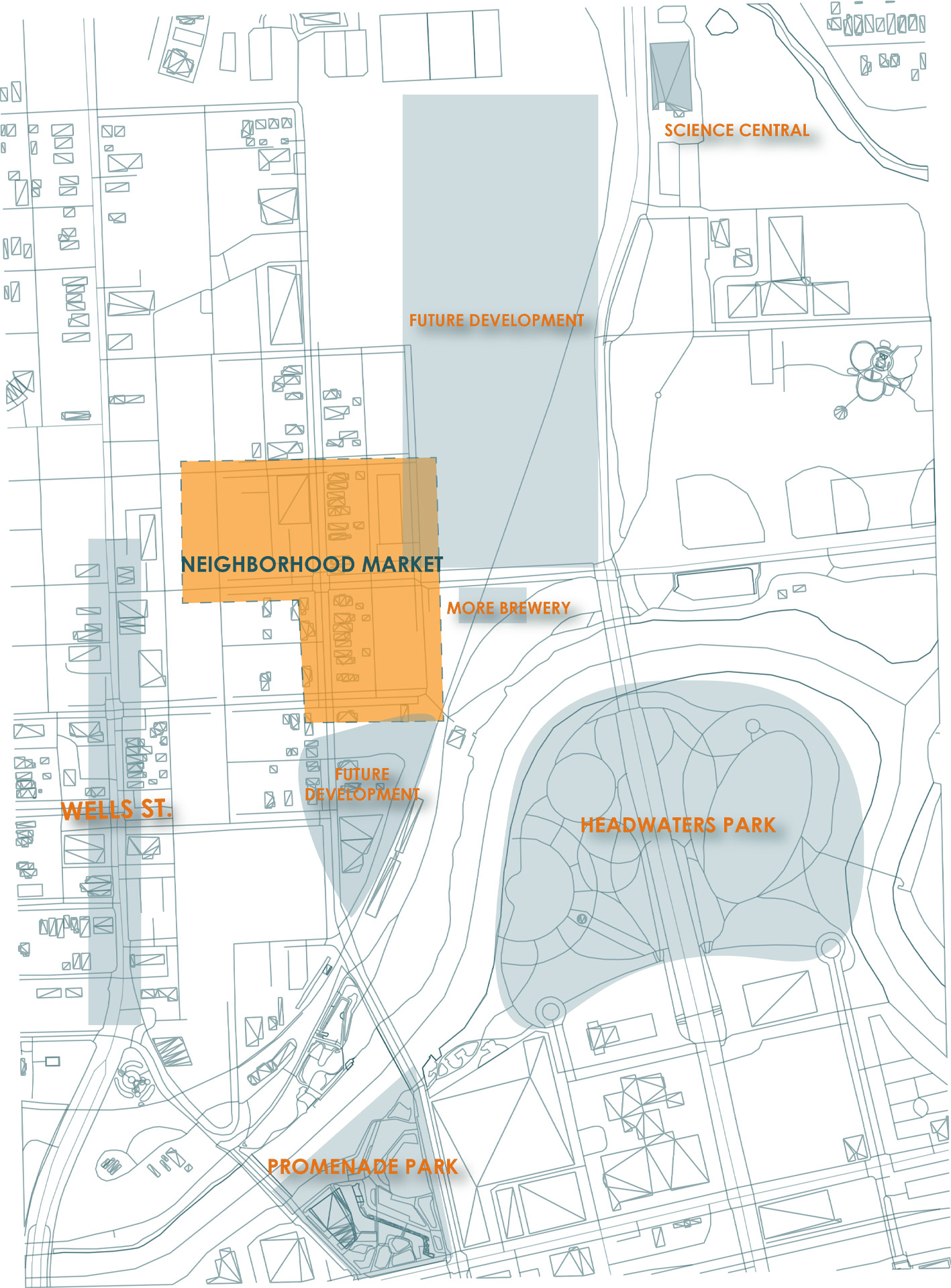
We started by spending time understanding the site and its surroundings. Located just north of downtown between Wells and Calhoun Streets, the neighborhood has strong character and historically served as a hub for industry, manufacturing, and innovation. It currently consists of underused lots and poor pedestrian infrastructure.

The Bloomingdale neighborhood is positioned near Fort Wayne’s riverfront and new developments. With a planned nearby sports complex and brewery, there is an opportunity to create a space that connects rather than disrupts.

Before we could bring our vision to life, we identified some challenges that we would need to overcome, including:

  • Poorly maintained pathways that discourage pedestrian movement
  • Lack of vegetation that limits shade and reduces comfort
  • Limited inviting public spaces that concentrate activity along Wells Street

For this project, our focus was on how people might move through the space, gather, and interact with it daily.

Planning and Programming

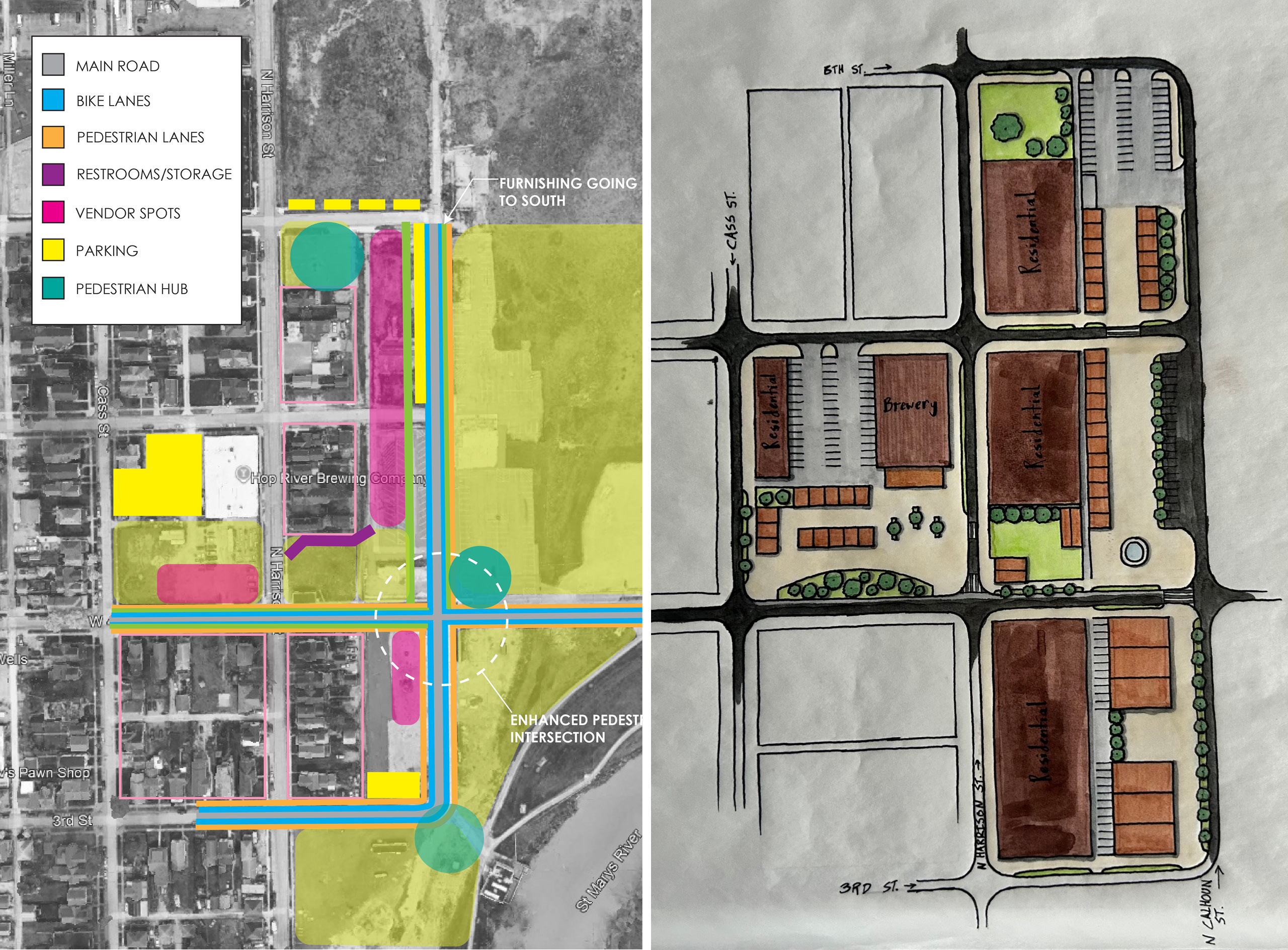
We didn’t land on one idea right away. Instead, we explored multiple directions and then combined what worked best. From our three initial site plan concepts, we tested different approaches to:

  • Circulation
  • Open space
  • Building placement

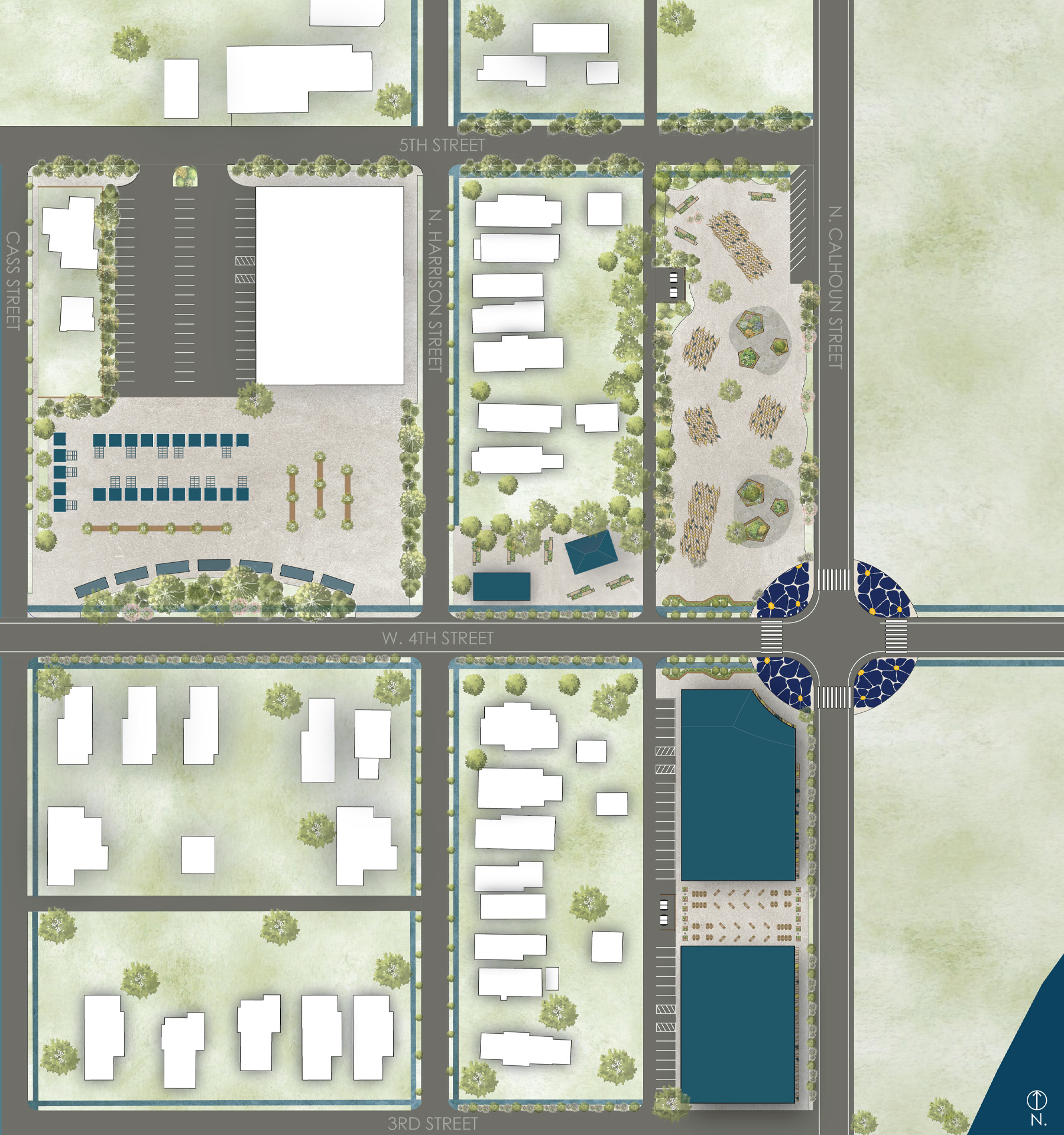
Our final design merged the strongest elements of each scheme to create a reimagined, human-scaled corridor that’s focused on activity, accessibility, and community engagement. We transformed the site into a market corridor, designed for a wide range of users, that encourages:

  • Exploration
  • Small business growth
  • Social interaction

Creating Flow

A few key decisions shaped the project:

Designing a cohesive system that prioritizes movement, accessibility, and environmental quality. Walkability and bike accessibility were emphasized by creating clear pathways across the site to connect neighboring developments to Wells Street.

Balancing open gathering areas with more defined spaces with the use of tree-lined buffers, which also enhance the natural atmosphere.

Integrating service areas, including intentionally locating waste collection along alleys and edges to maintain a clean, unobtrusive environment.

OVERALL IMPACT AND EXPERIENCE

Our final design features a dynamic district that adapts to different times, events, and user needs. The once disconnected lots are now transformed into a unified market district that supports activity across daily use, seasonal changes, and special events.

The site now offers varied experiences that range from busy market days to sporting events to quiet afternoons.


Vendor Market Corridor

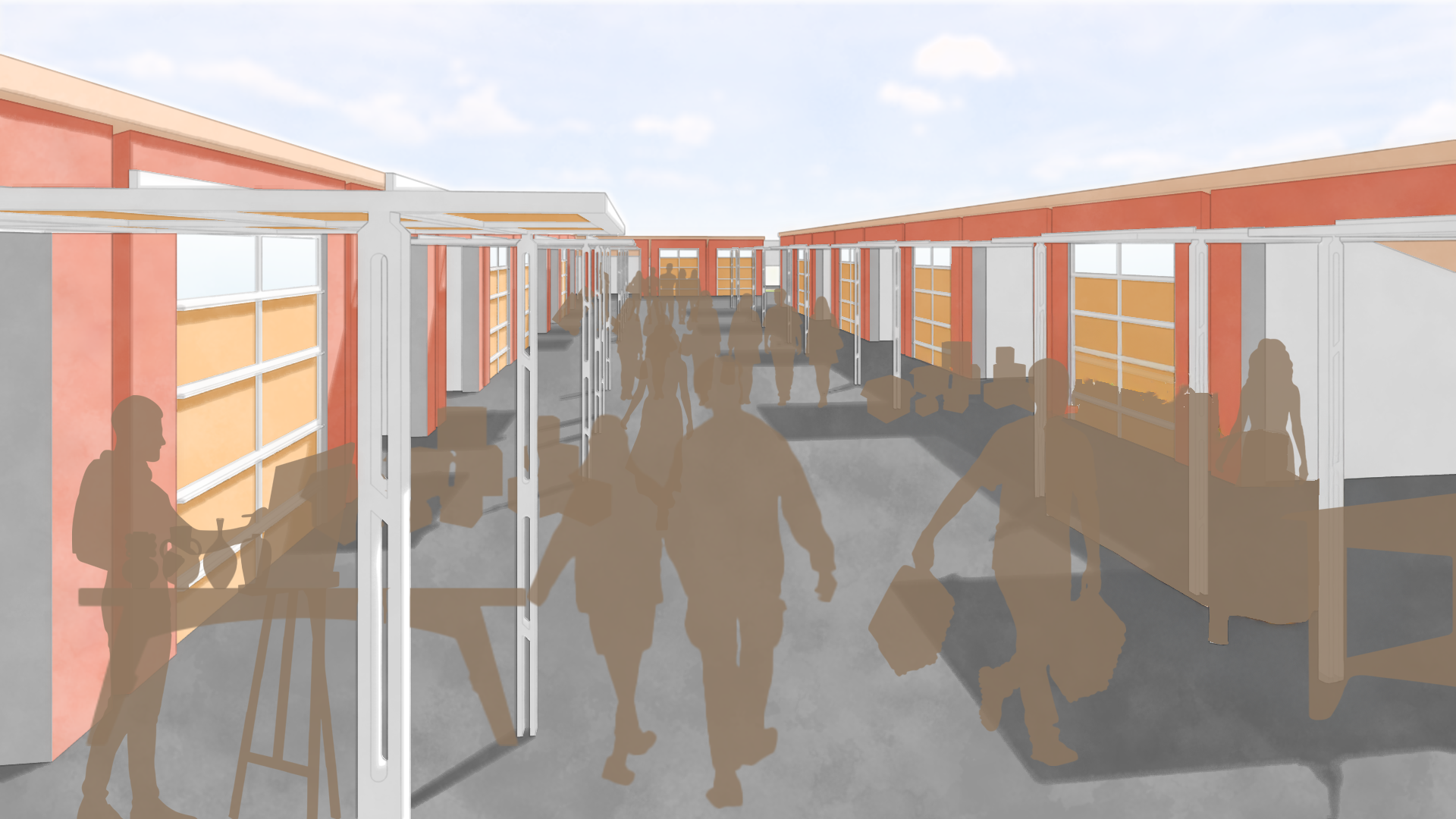
A vendor market corridor features a flexible, small-scape retail zone to support local entrepreneurs and temporary vendors. These small 10’ by 10’ rentable stalls feature operable garage-style doors that function as overhead awnings.

The stalls were designed to support seasonal vendors, short-term rentals and small/local businesses looking for a permanent location.

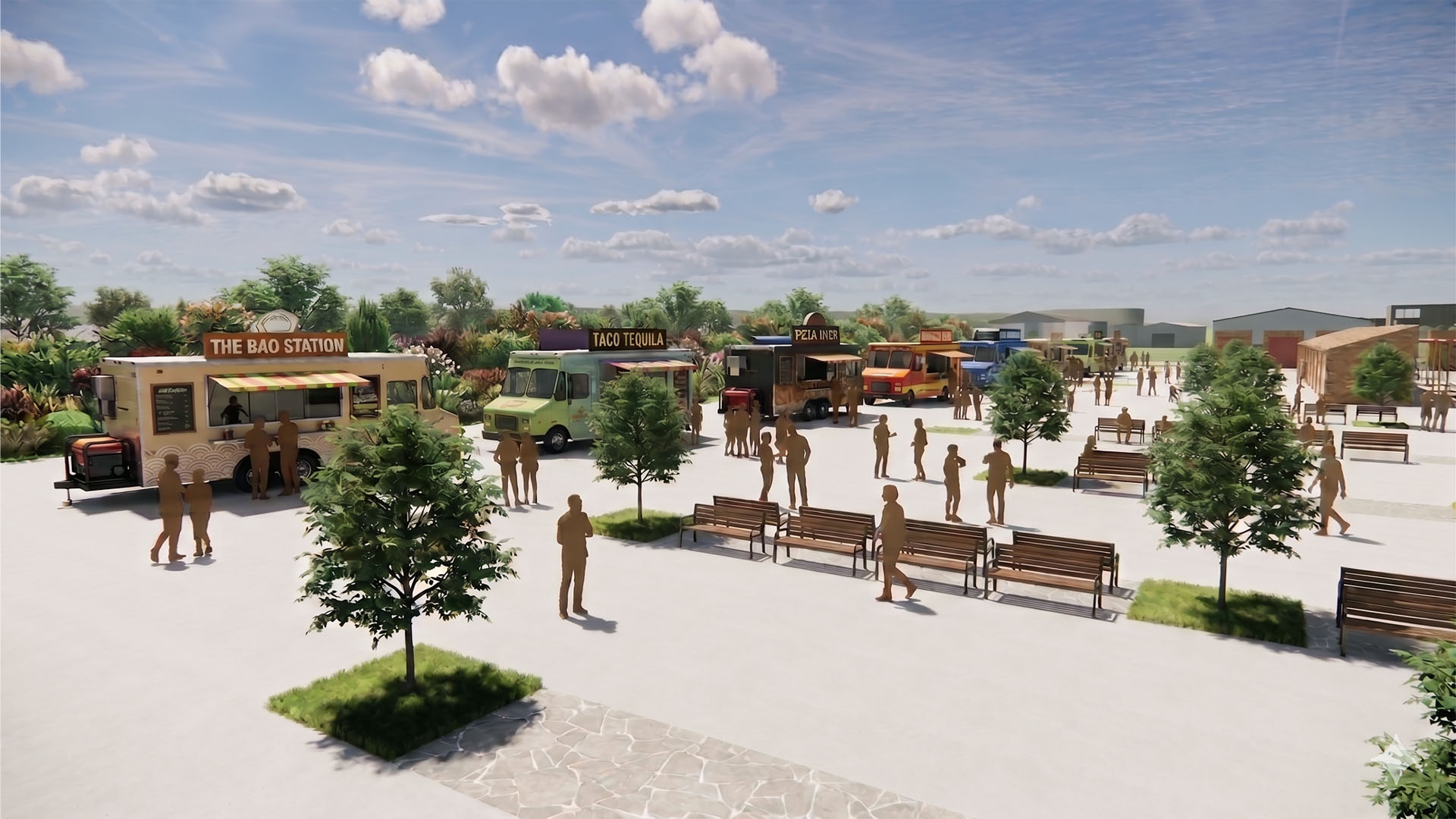
Designated space for food trucks during events drives foot traffic and encourages social interaction.

Community and Visitor Hub

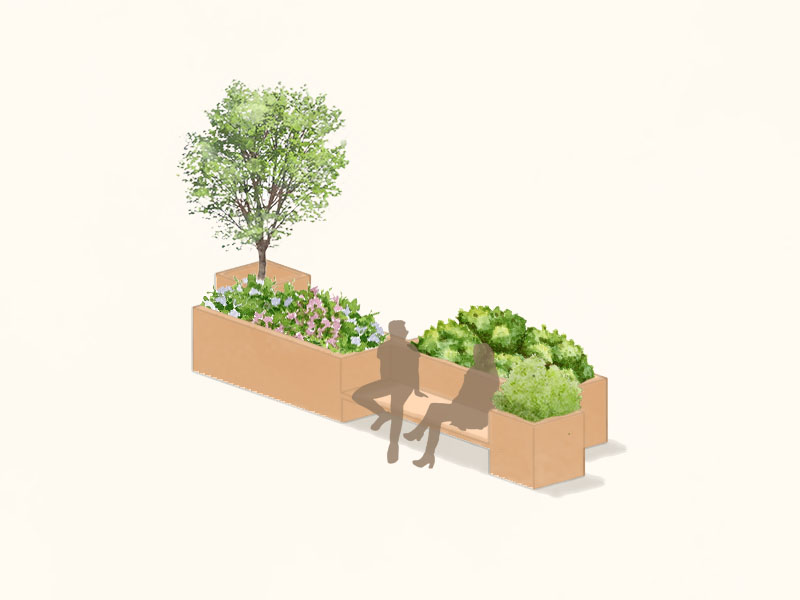
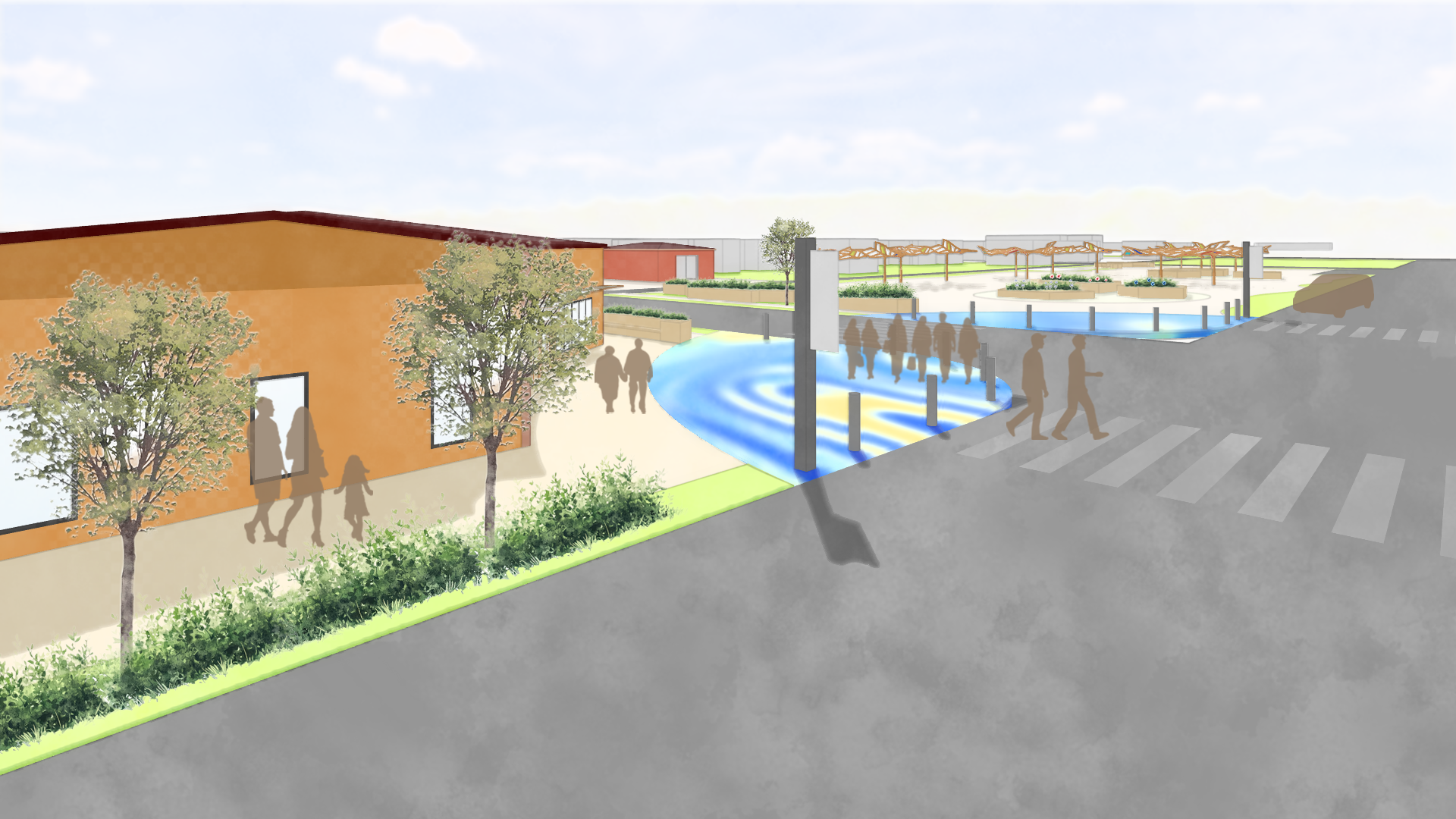
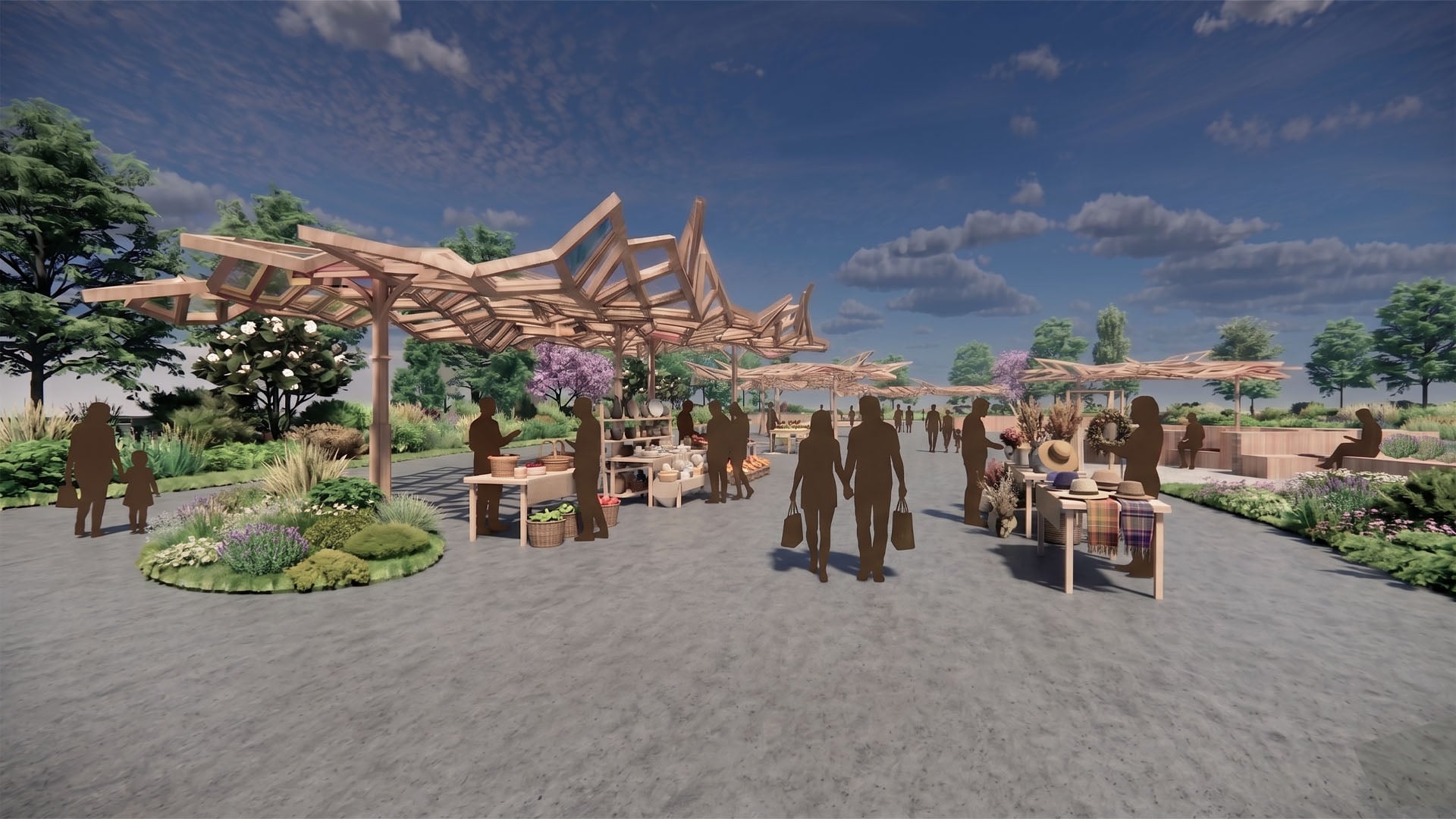
A community and visitor hub serves as a transitional space. A repurposed existing structure serves as a visitor center, while the space features wide, walkable paths, green space with seating, and integrated plant beds.

Light wood canopy structures featuring tulip trees, a nod to Indiana, and blue and yellow glass roofing inspired by Bloomingdale’s colors filter light and provide shade.

With angled street parking nearby, the hub serves as a flexible event space and daily community gathering area.

Permanent Commercial Zone

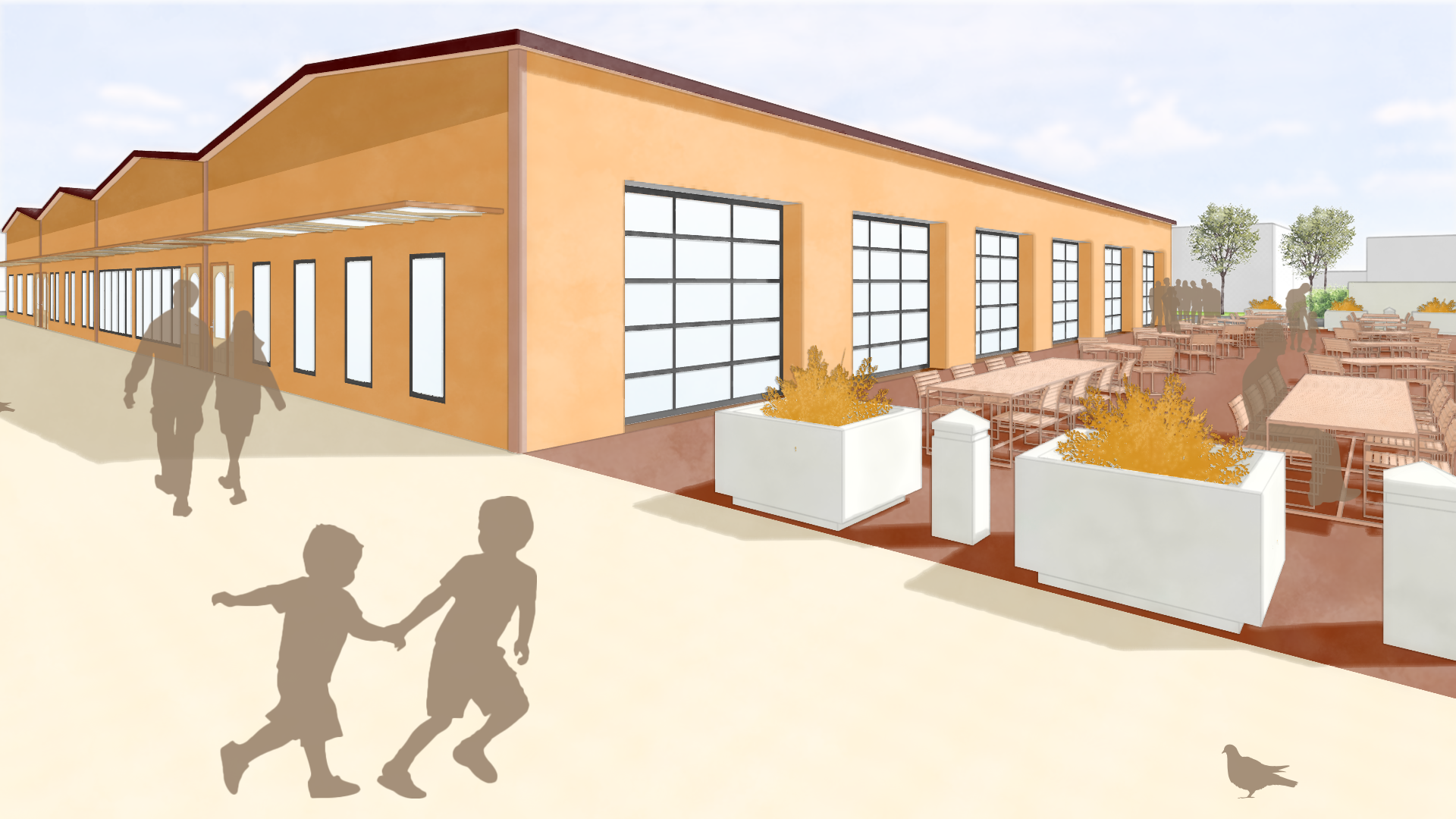
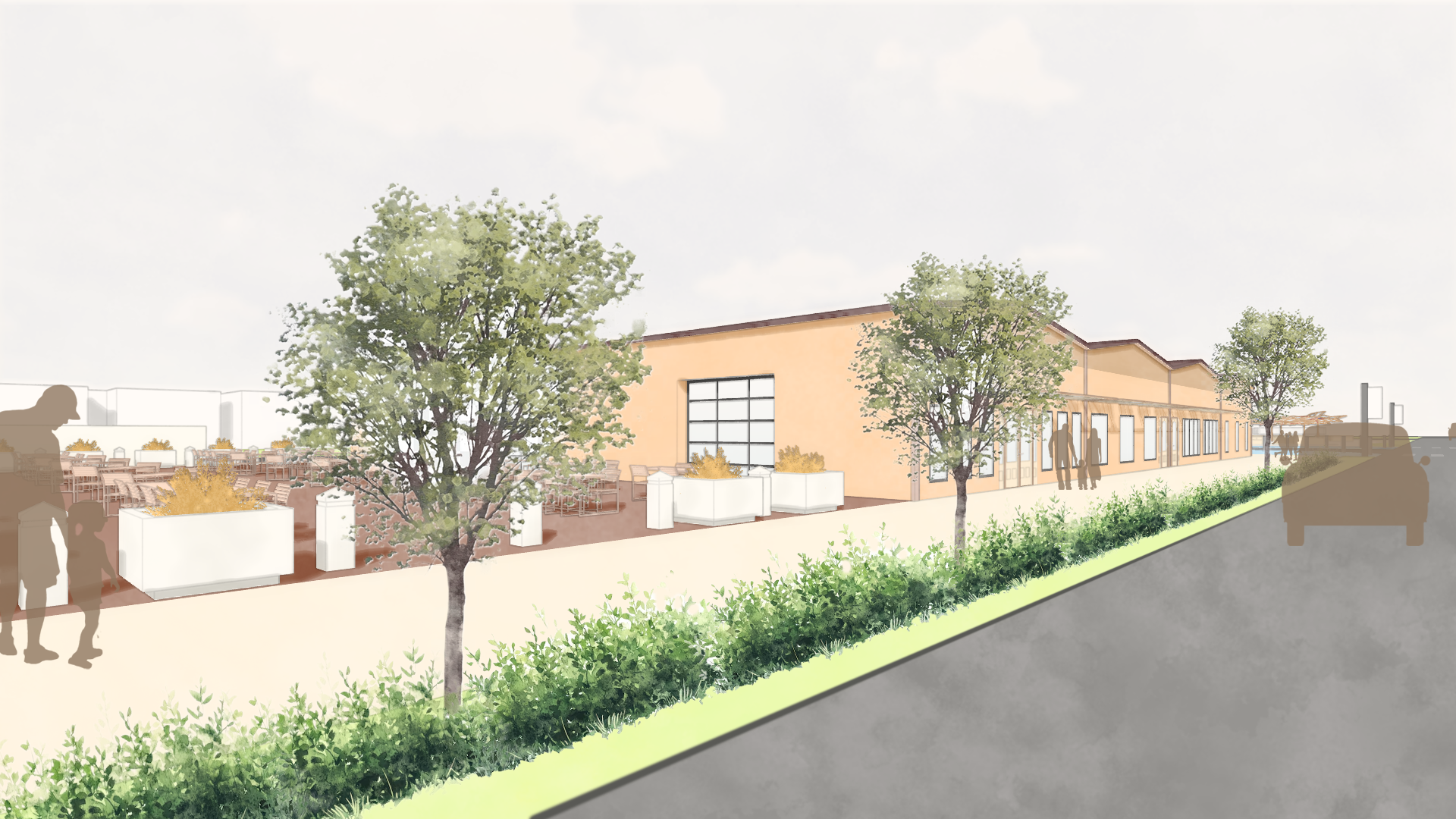
This area provides a stable retail area designed for long-term business presence and economic growth. Eight larger rentable units are located along a wide sidewalk for visibility and access. A central outdoor seating area divides the buildings, encourages interaction, and enhances the social environment.

Material Exploration

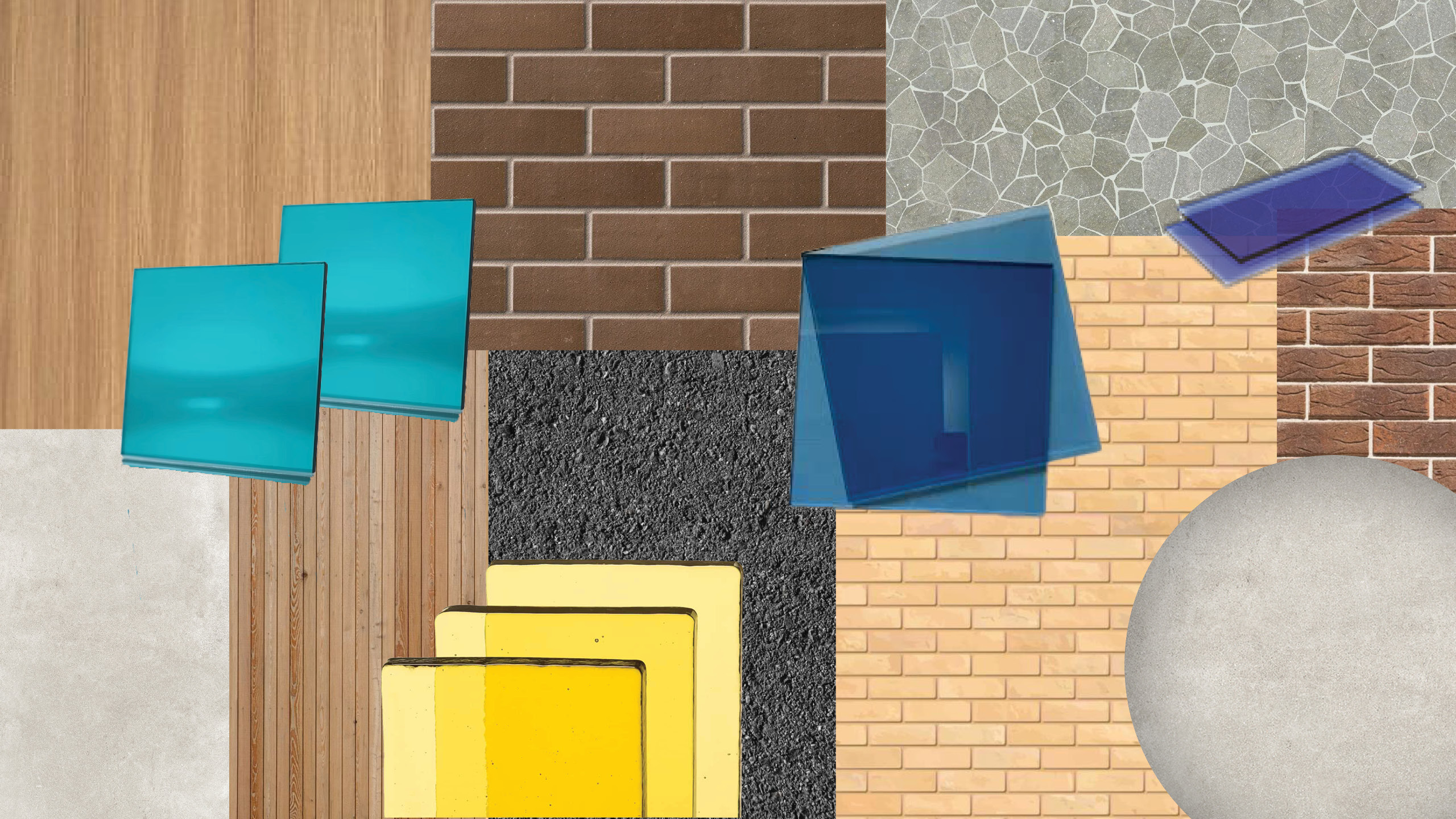
We explored a mix of materials that balance durability, color, and texture:

Glass: Helps bring in light and integrates color

Brick: Light- and dark-colored brick adds contrast and connects to the surrounding context

Landscape elements: Plant beds, tree grates, and tulip trees add to the site experience

Color as identity: Intentional use of blue and yellow, inspired by the Bloomingdale neighborhood

What We Took Away

This project pushed us to think beyond just “what looks good” and focus on how a space actually works. Our key takeaways are:

  • Good design comes from testing multiple ideas, not settling on the first one.
  • Small decisions (like color or material) can have a big impact on identity.
  • Designing for a neighborhood means thinking about everyday use, not just big moments.

Through the Bloomingdale Neighborhood Market, we tested how intentional design decisions can shape a more connected, usable, and community-driven environment.

Curious what’s possible for your site? Let’s start a conversation about how thoughtful design can turn untapped space into something meaningful.

Copyright ©2026 Design Collaborative