There’s a difference between hearing trends and feeling a shift.

BankSpaces 2026 delivered the latter. Across sessions, and just as importantly, in the conversations between them, one idea surfaced again and again:

The branch isn’t going away. It’s becoming more intentional.

For those of us working at the intersection of architecture, brand, and experience, that’s not just encouraging. It’s clarifying. The question is no longer if physical space matters. It’s how to make it matter more.

Here’s what stood out and how it’s shaping the way we think about branch environments moving forward.

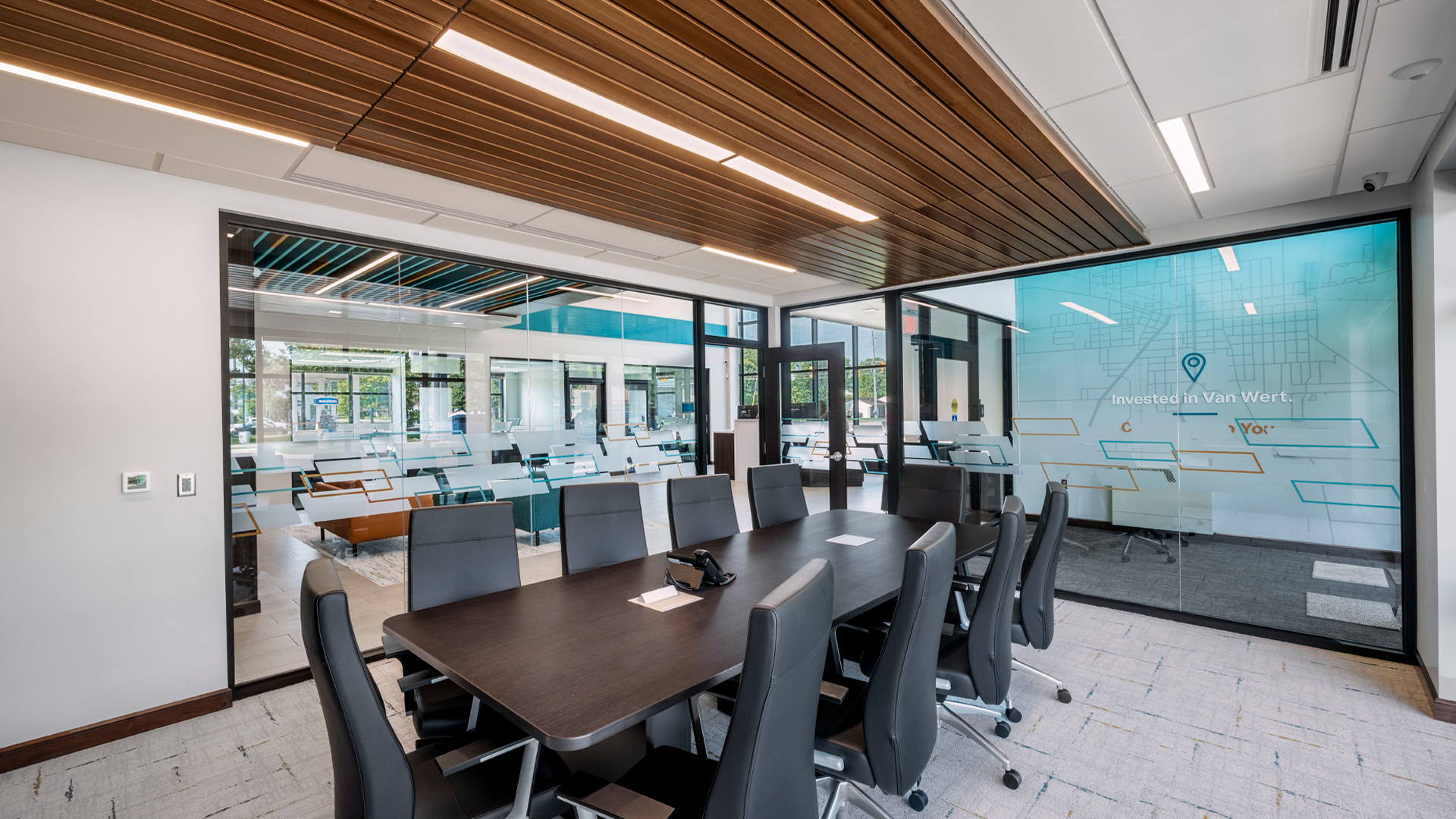
Bank branch conference rooms with warm wood ceiling and lighting detail.

Designing Local, With Structure to Support It

“Local” is easy to say. Scaling it well is something else entirely.

During a standout session, Rebekah Sigfrids shared how Bank of America has built a system that allows their branches to feel both consistent and deeply rooted in place. The takeaway wasn’t just about aesthetics; it was about infrastructure.

The most effective institutions aren’t choosing between efficiency and authenticity. They’re building frameworks that allow both:

  • Repeatable design toolkits that don’t feel repetitive
  • Embedded opportunities for local art and storytelling
  • Strong partnerships with regional makers and fabricators
  • Digital infrastructure that supports consistency across locations

Outside the session, this idea kept resurfacing: institutions want to be more local but struggle to operationalize it.

It’s a reminder that great design isn’t just creative—it’s organizational. And when those two align, branches begin to feel both familiar and distinctly of their place.

Visibility, Relevance, and Differentiation Working Together

Branches today have to do more, faster.

Across sessions and conversations, a clear framework emerged, whether explicitly stated or not. The most effective branches are the ones that succeed in three critical areas: being seen, being relevant, and being distinct.

It sounds straightforward, but in practice, many institutions fall short, especially when optimizing for efficiency without redefining purpose.

That tension came up repeatedly:

  • How do we reduce footprint without reducing impact?
  • How do we modernize without losing identity?
  • How do we stand out in increasingly uniform retail corridors?

That same challenge was echoed from the operator side as well. In a session focused on network strategy, it emphasized the importance of aligning physical presence with growth strategy and not just legacy footprints. That perspective reinforced a broader shift: branches are no longer just inherited assets. They’re intentional investments.

The most successful environments are doing three things well:

  • Visibility: Clear, confident presence in the market
  • Relevance: Spaces that feel aligned with the people they serve
  • Differentiation: Experiences that don’t blend into the background

When one of these is missing, the experience falls flat. When all three are working together, the branch becomes more than a location. It becomes a signal of who the institution is and who it’s for.

Design plays a central role in that equation—not as decoration, but as a strategic tool for connection and clarity.

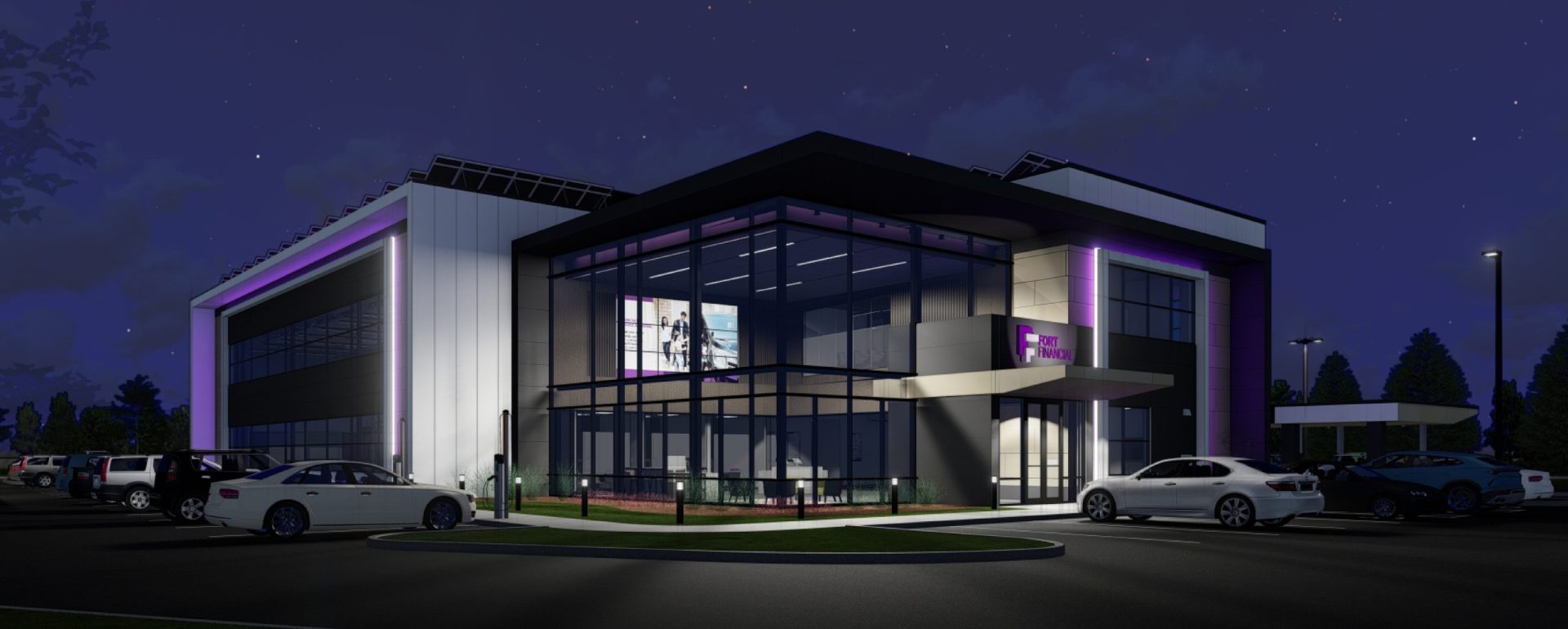
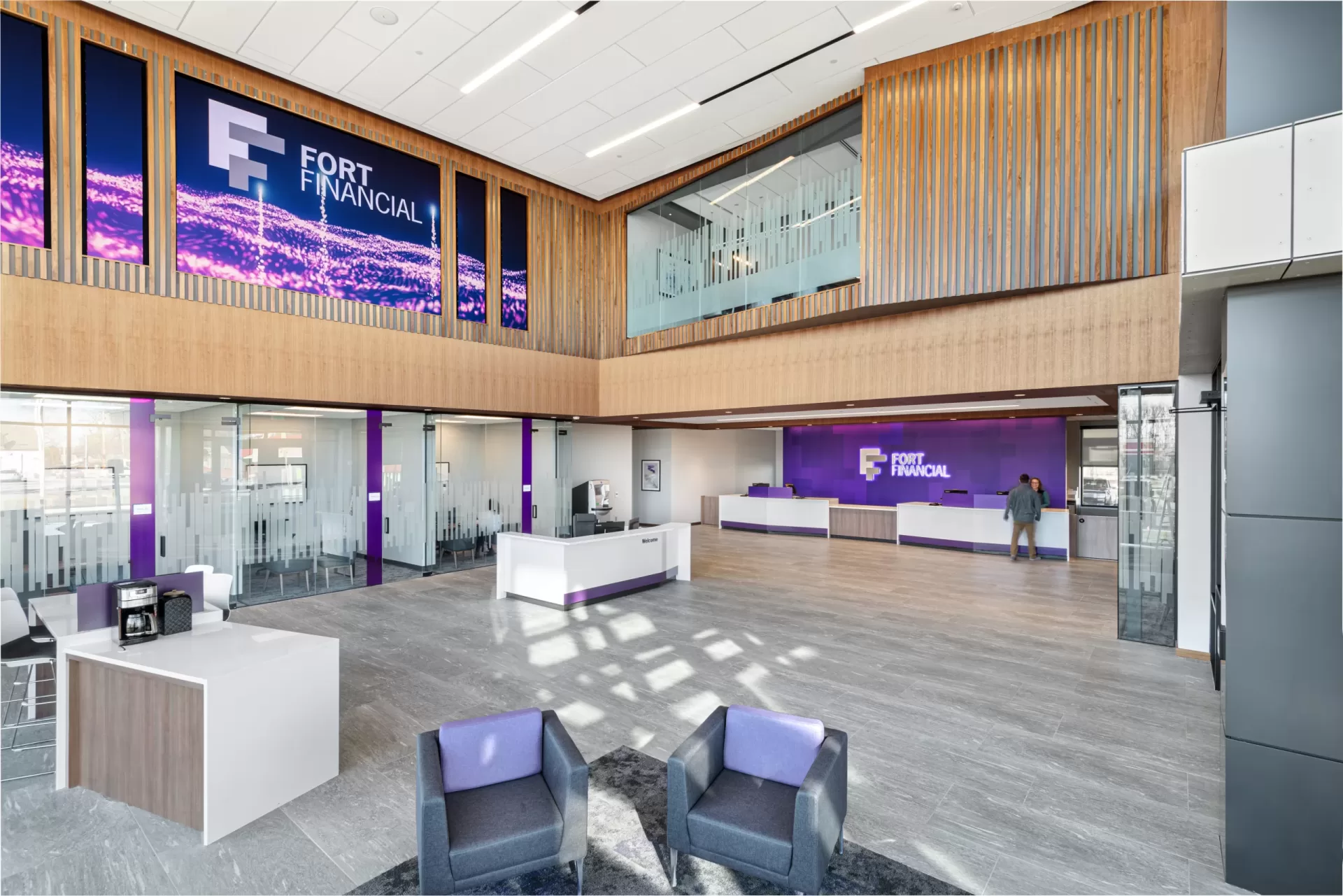
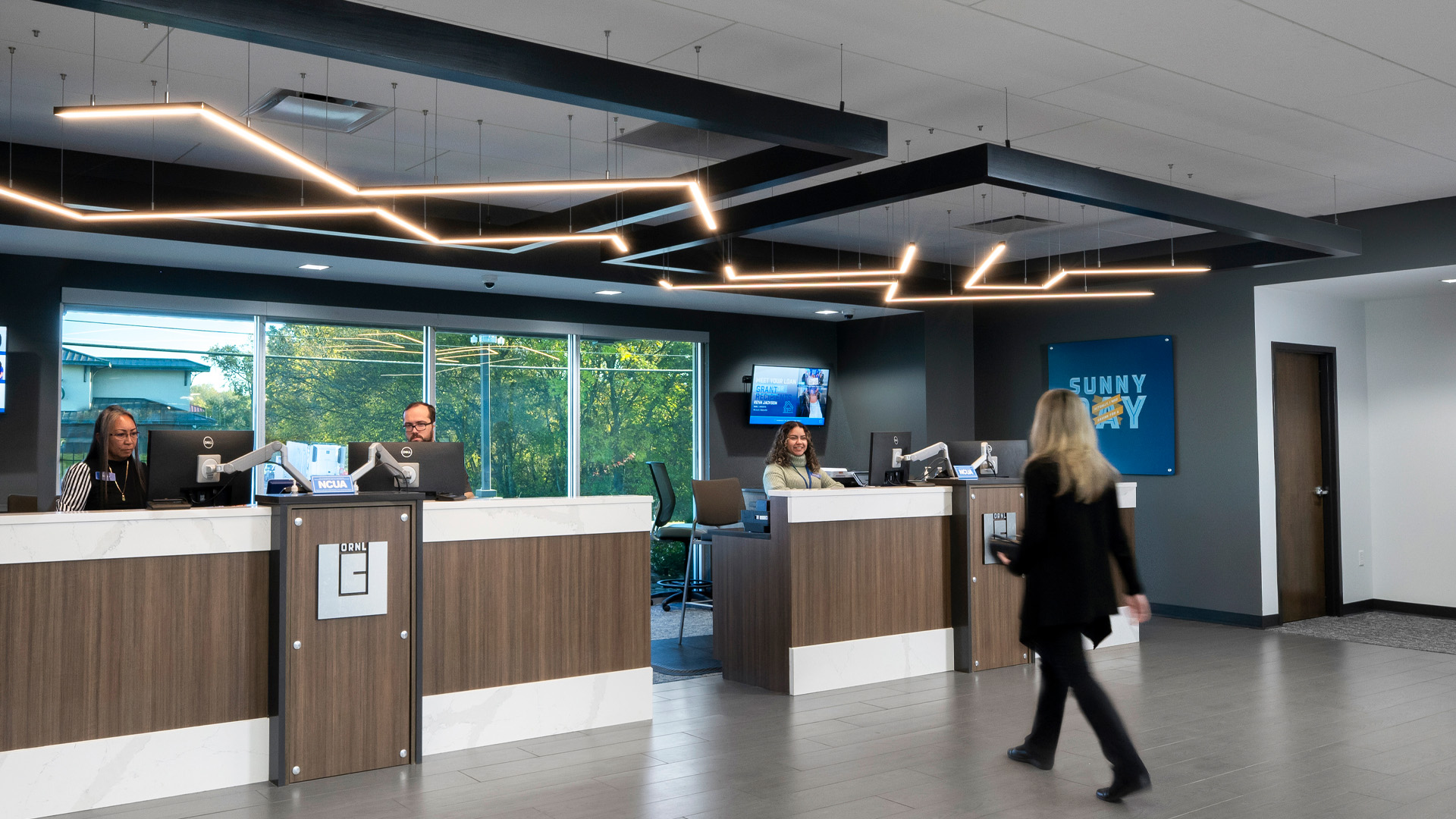
Fort Financial Credit Union Headquarters building rendering at night with purple lighting details. Fort Financial Credit Union Headquarters Lobby Fort Financial Credit Union East Branch Teller Line reception desk with unique lighting design above it and branded design behind it.

Designing for How People Feel, Not Just What They Do

Transactions may bring people into a branch, but emotions define the experience.

One theme that surfaced both on stage and in conversation: customers aren’t just looking for answers. They’re looking for reassurance and validation that they’re making the right decision.

That insight reframes the role of the branch.

Whether someone is opening their first account or navigating a major financial milestone, the environment should meet that moment with intention:

  • Spaces that balance openness with privacy
  • Clear, intuitive pathways from entry to interaction
  • Comfortable, welcoming places to sit and talk
  • Teams supported by environments designed for hospitality, not just efficiency

The goal isn’t to impress but rather to put people at ease. Because when customers feel comfortable, conversations become more meaningful. And that’s where trust is built.

Digital and Physical: Stronger Together

Technology is reshaping banking, but not in a way that replaces the branch. Instead, it’s refining its purpose. As Umesh Babaria noted in his session, the challenge at KeyBank isn’t implementing new tools. It’s changing how decisions get made because of them.

Every institution is navigating digital transformation. Data is available. Insights are there. But aligning teams and strategies around them is where the real work begins.

Digital tools are increasingly handling the routine—transactions, quick questions, everyday needs. That shift creates space for branches to focus on higher-value interactions: guidance, reassurance, and relationship-building.

Data and AI will continue to influence:

  • Where branches are located
  • How large they need to be
  • What services they prioritize

But the in-person experience remains essential. It’s where nuance lives. It’s where trust is reinforced. And it’s where complex decisions feel more manageable.

The future isn’t digital or physical. It’s a coordinated experience where each plays to its strengths.

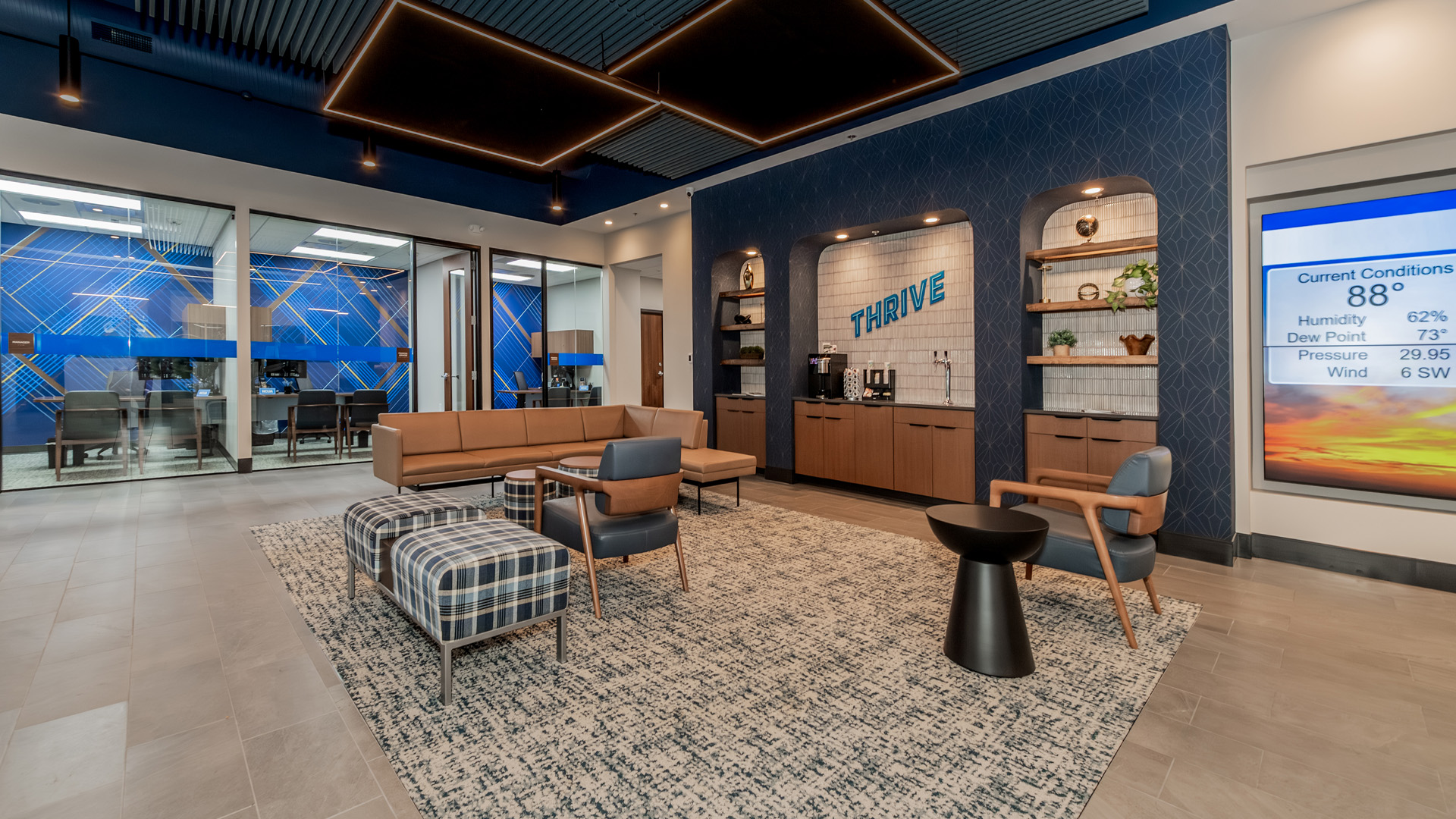
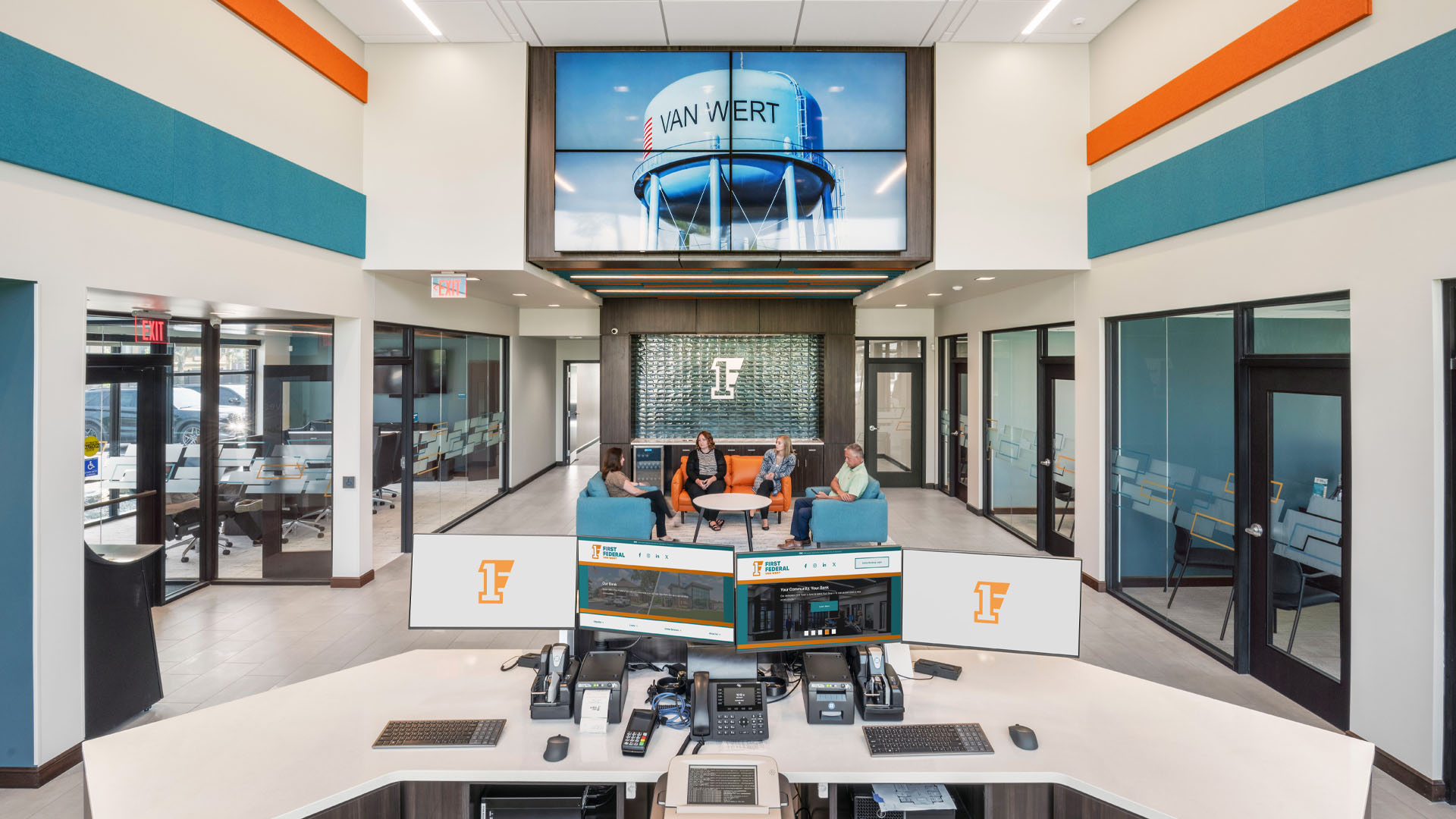
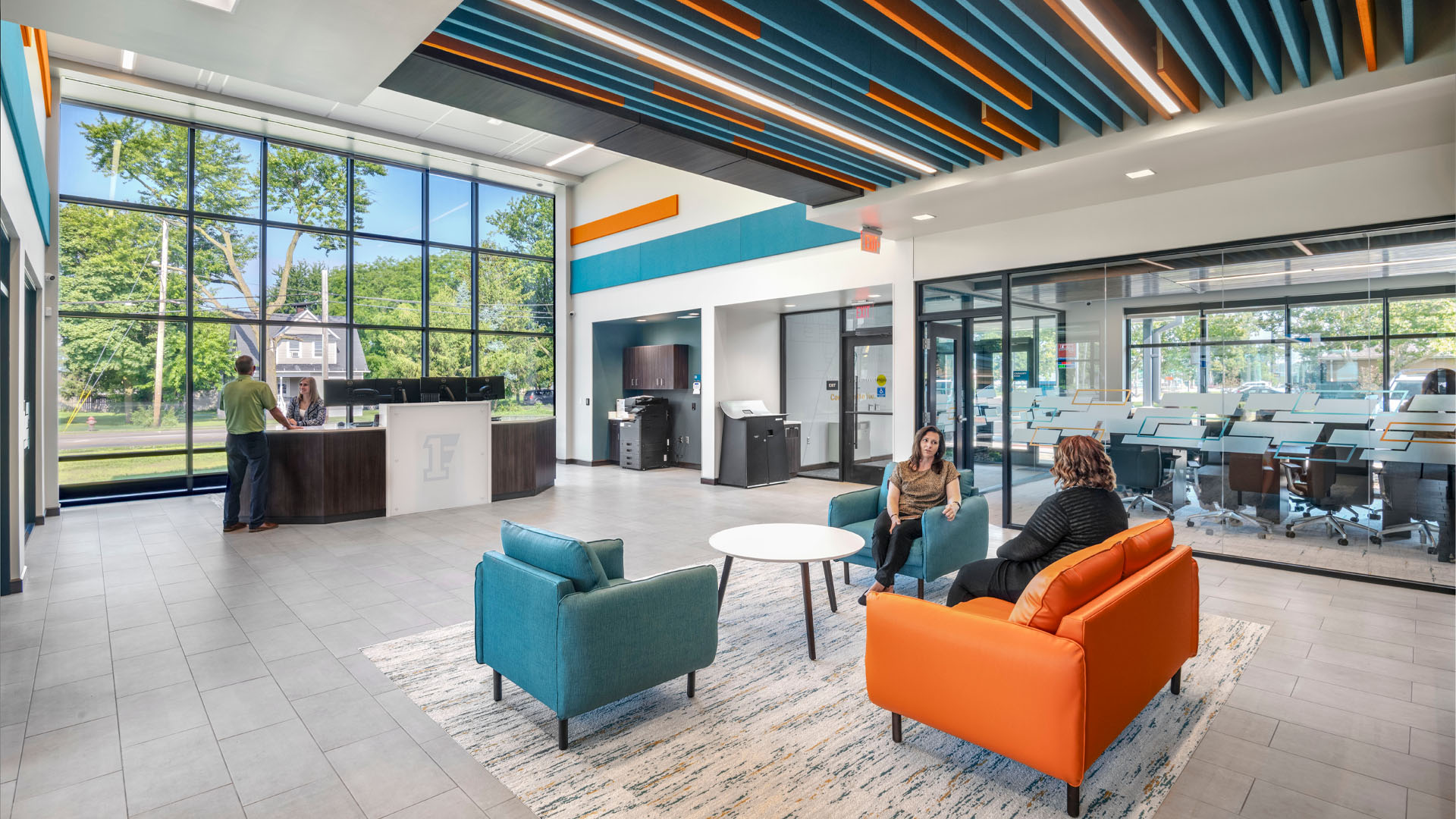
First Federal Bank Van Wert Branch lobby with bright orange and blue branding, video wall, and lighting design. Teller line in First Federal Bank Van Wert Branch with bright orange and blue branding and large windows.

Great Design Isn’t About Size. It’s About Intent.

One of the most energizing themes from the conference was the transformation of overlooked or constrained spaces into meaningful community assets.

From compact footprints to second-generation locations, the common thread wasn’t budget or scale. It was clarity of purpose.

In multiple conversations, institutions shared a similar challenge: “We don’t have the footprint—or the budget—to do something bold.” But the projects highlighted throughout the conference told a different story.

When a space is designed with intention:

  • Every square foot works harder
  • Every detail reinforces the experience
  • Every decision supports the customer journey

Impactful environments aren’t reserved for flagship locations. They’re possible anywhere there’s a clear vision and the discipline to execute it.

Preparing for What’s Next

The coming decades will bring one of the largest wealth transfers in history. And with it, a shift in expectations toward more personalized, advisory-focused relationships.

That reality came up frequently. Institutions are already thinking about how their spaces need to evolve to support a different kind of engagement.

Branches that are ready for that shift will be designed accordingly:

  • Spaces that support private, meaningful conversations
  • Environments that feel approachable, not intimidating
  • Experiences that reflect trust, clarity, and care

These aren’t extras. They’re essential to building long-term relationships and capturing future opportunity.

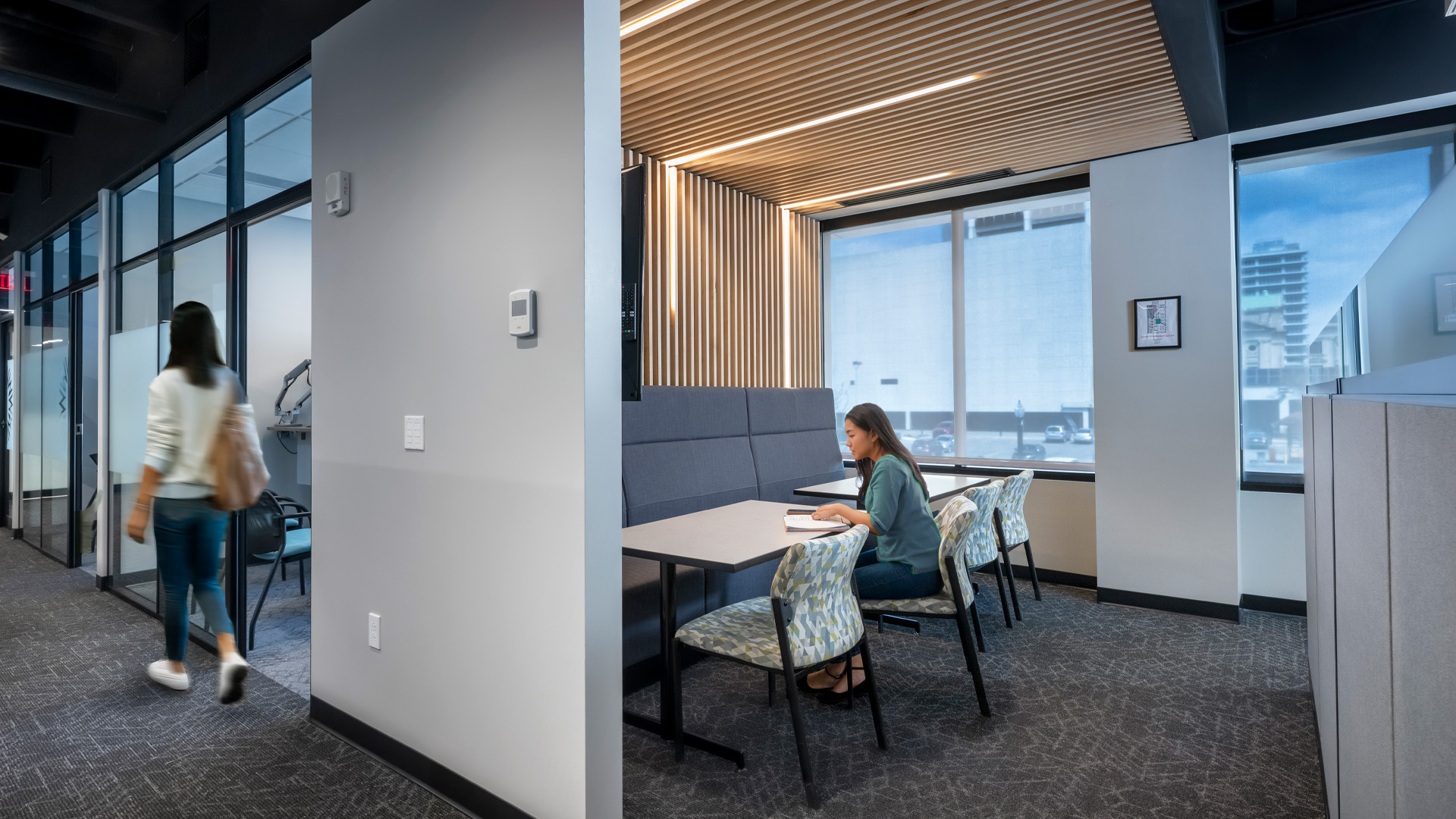
Greenway Bank collaborative workspace and hallway with one girl working and another walking past.

Where This Leaves Us

If there’s one idea that BankSpaces 2026 reinforced, it’s this: The most effective branches are designed with intention—rooted in their community, aligned with their brand, and centered on the people they serve.

For banks and credit unions, that means focusing on:

  • Creating a strong and visible presence
  • Designing spaces that reflect local context
  • Building experiences that stand apart
  • Supporting advisory conversations through environment
  • Aligning internal systems with design goals
  • Using data to guide smarter decisions

At Design Collaborative, this is the work we’re most passionate about—bringing together strategy, design, and human experience to create environments that truly connect.

Because when a branch feels like it belongs to its community, its customers, and the moments that matter, it becomes more than a place to bank. It becomes a place people trust.

If you’re thinking about how your branch network needs to evolve, we’d love to continue the conversation. Contact us to talk with one of our branch design experts.

Copyright ©2026 Design Collaborative