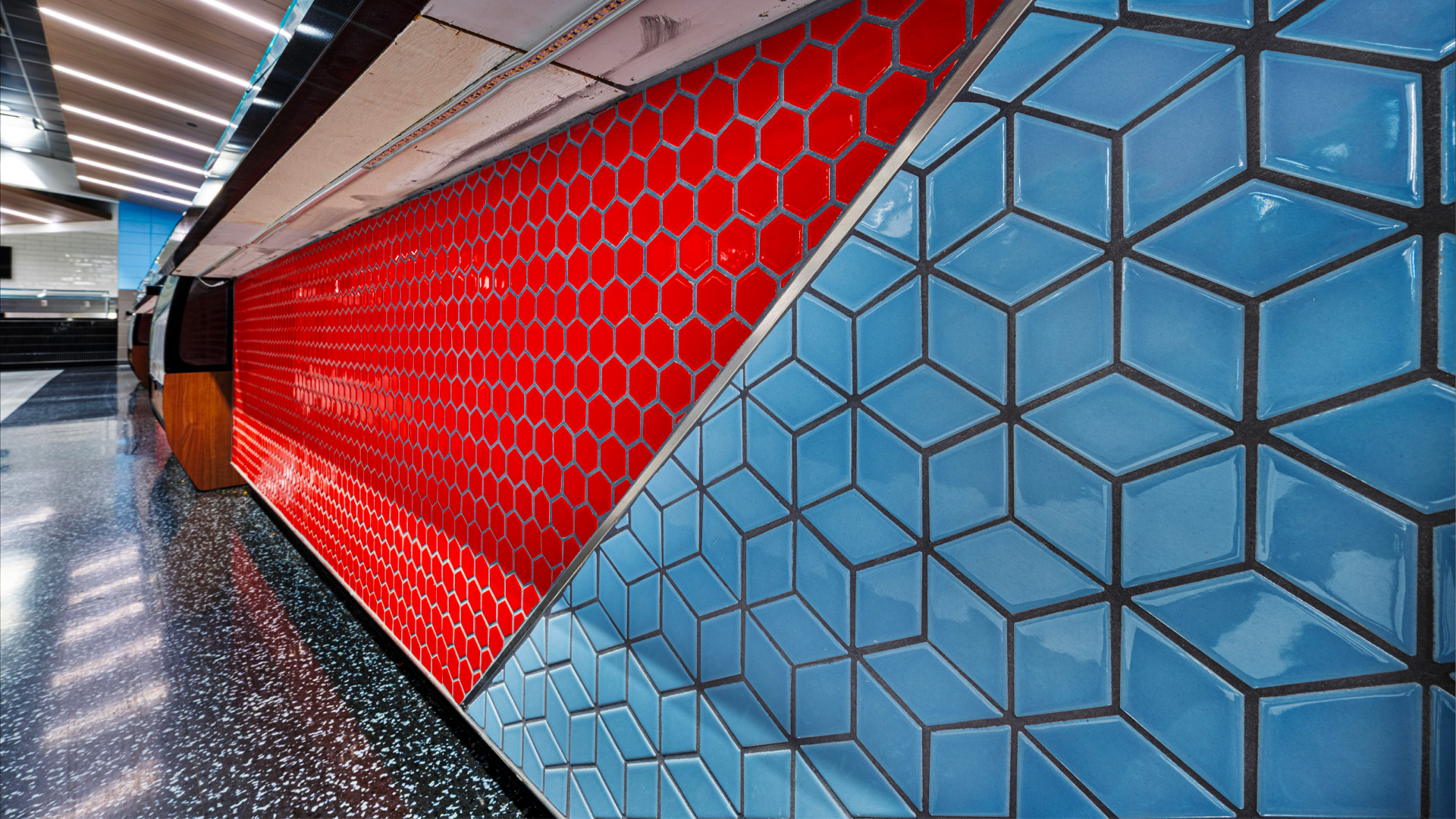
School cafeterias are often stuck in the past. Outdated equipment, limited food options, and crowded lines don’t just make for a frustrating experience—they make it harder to serve students well.

While dining spaces can be overlooked in school renovations, they play an important role in the school day. But that’s exactly why rethinking the school cafeteria is so important.

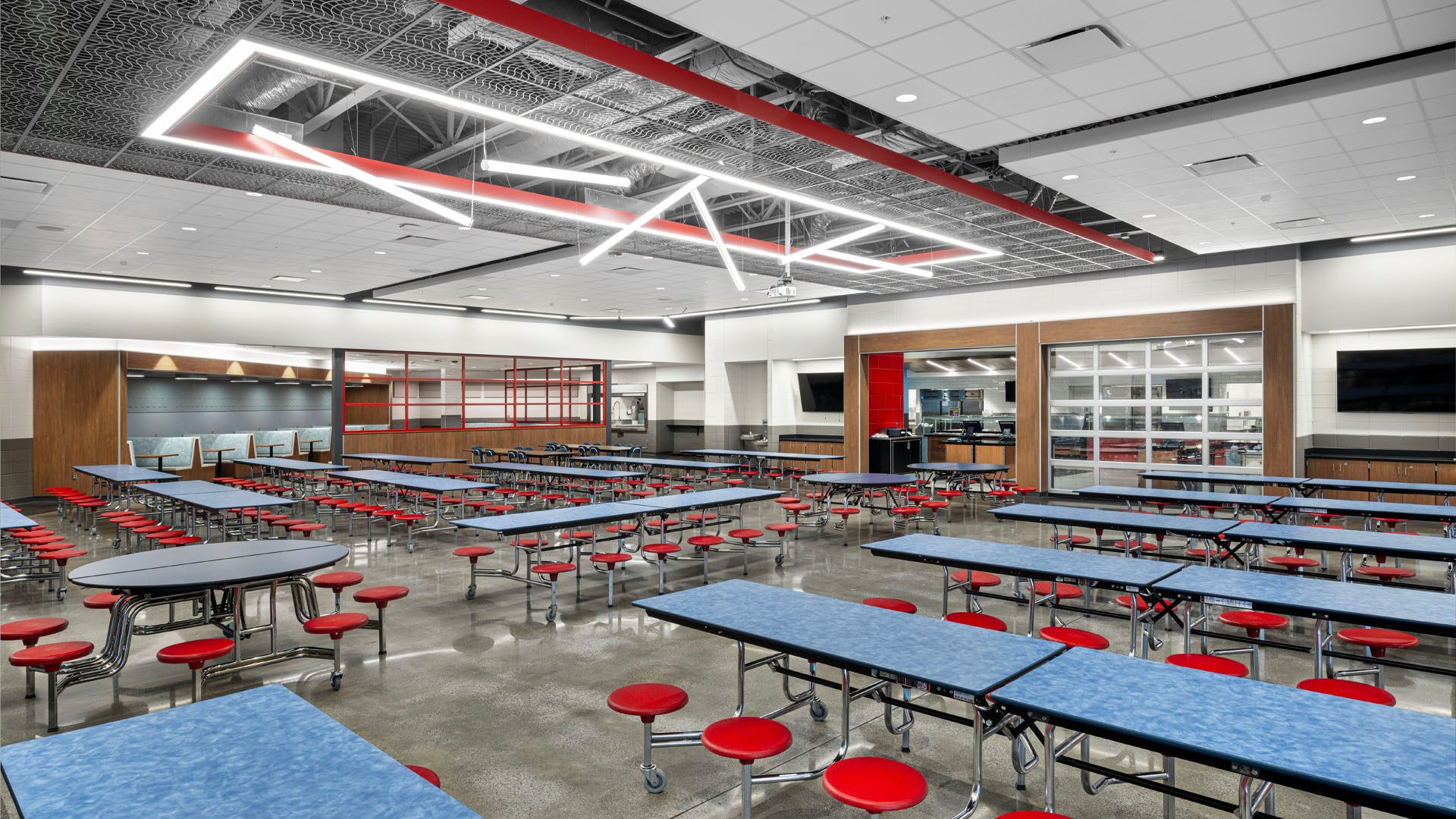
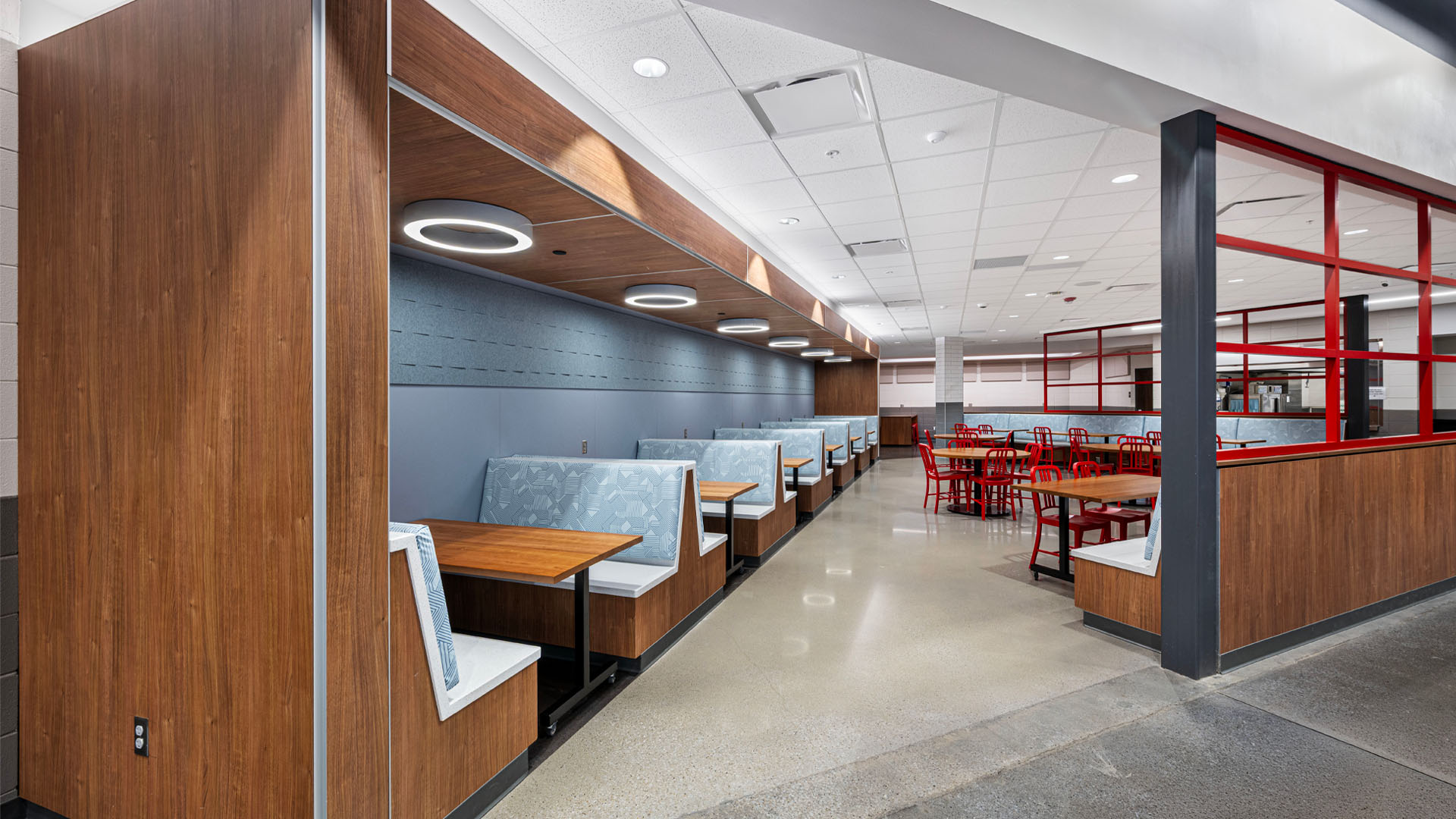
A well-designed cafeteria can do more than just serve food. It can help students feel more independent by offering a sense of choice and a more collegiate, adult experience, while also supporting better nutrition and bringing real operational improvements for staff. And I had the opportunity to see that firsthand through our work at Wayne High School.

The Cafeteria Transformation at Wayne High School

Wayne High School recently wrapped up a multi-year, multi-phase renovation. It touched nearly every part of the building—new classrooms, updated science labs, music rooms, a new front entrance, and a refreshed gymnasium. The final piece of the puzzle? A complete overhaul of the school’s cafeteria and kitchen operations.

This wasn’t just about looks—it was about function. We knew we had the chance to create a kitchen and dining space that truly worked for staff and students alike.

Behind the Scenes: Smarter Equipment for Better Food

Flexible, future-ready equipment gives staff more control and more options:

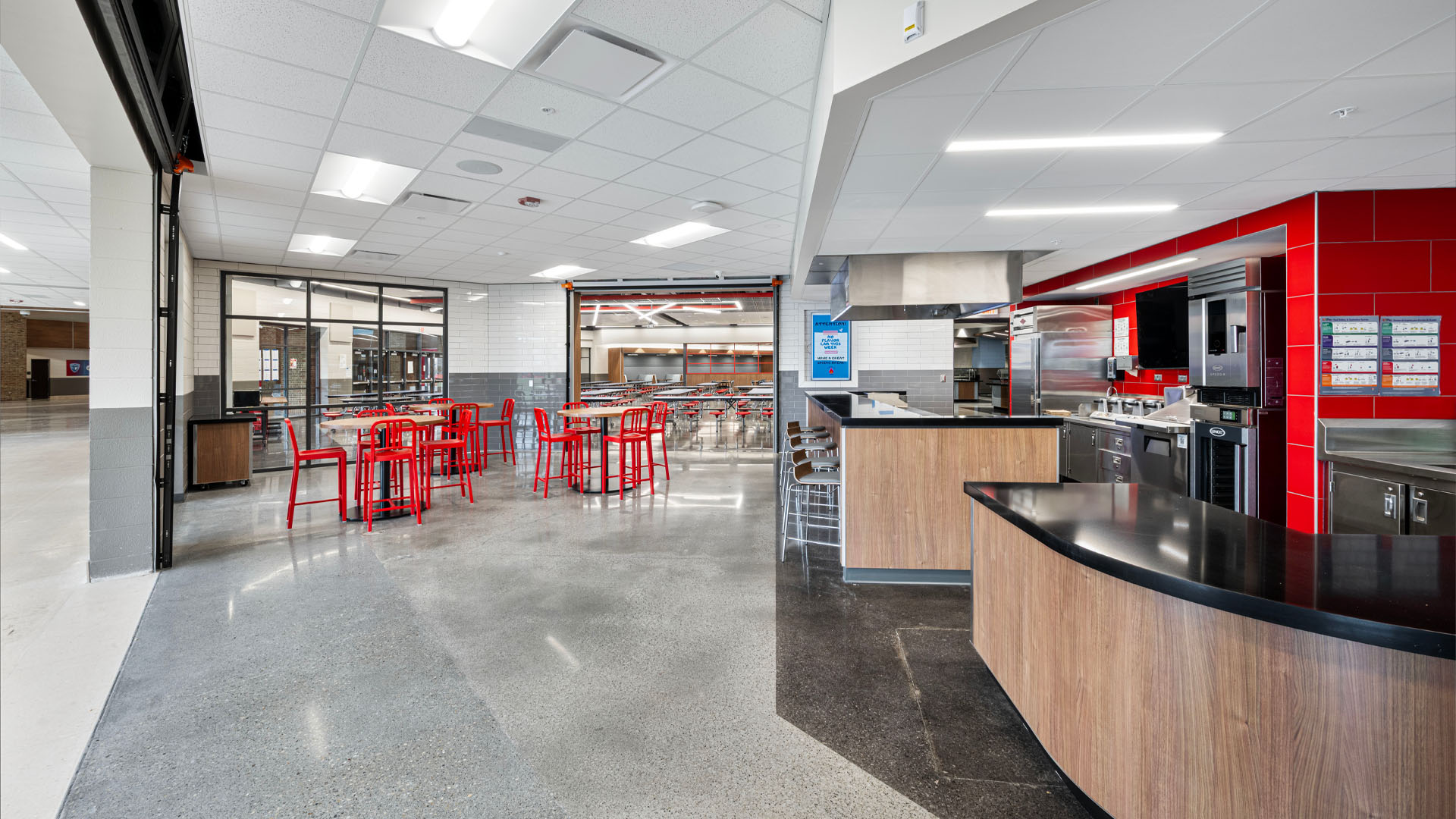
  • RATIONAL ovens that can steam, roast, air fry, or bake—and can even be controlled remotely through an app, increasing flexibility during the cooking process.
  • iVario skillets, also from RATIONAL, which provide precise, remote-controlled cooking and allow staff to prepare a wider range of meals and better quality food.
  • An IRINOX blast chiller that doubles as a fridge, freezer, or holding unit, perfect for prepping in advance.
  • More storage space, which has helped staff plan better, prepare in advance, and reuse unused ingredients creatively.

These tools have opened the door to meals that simply weren’t possible before, making mealtimes more varied and appealing for students. It’s also helpful in reducing food waste.

Out Front: More Choice, Less Waiting

For the students, the change is just as impactful:

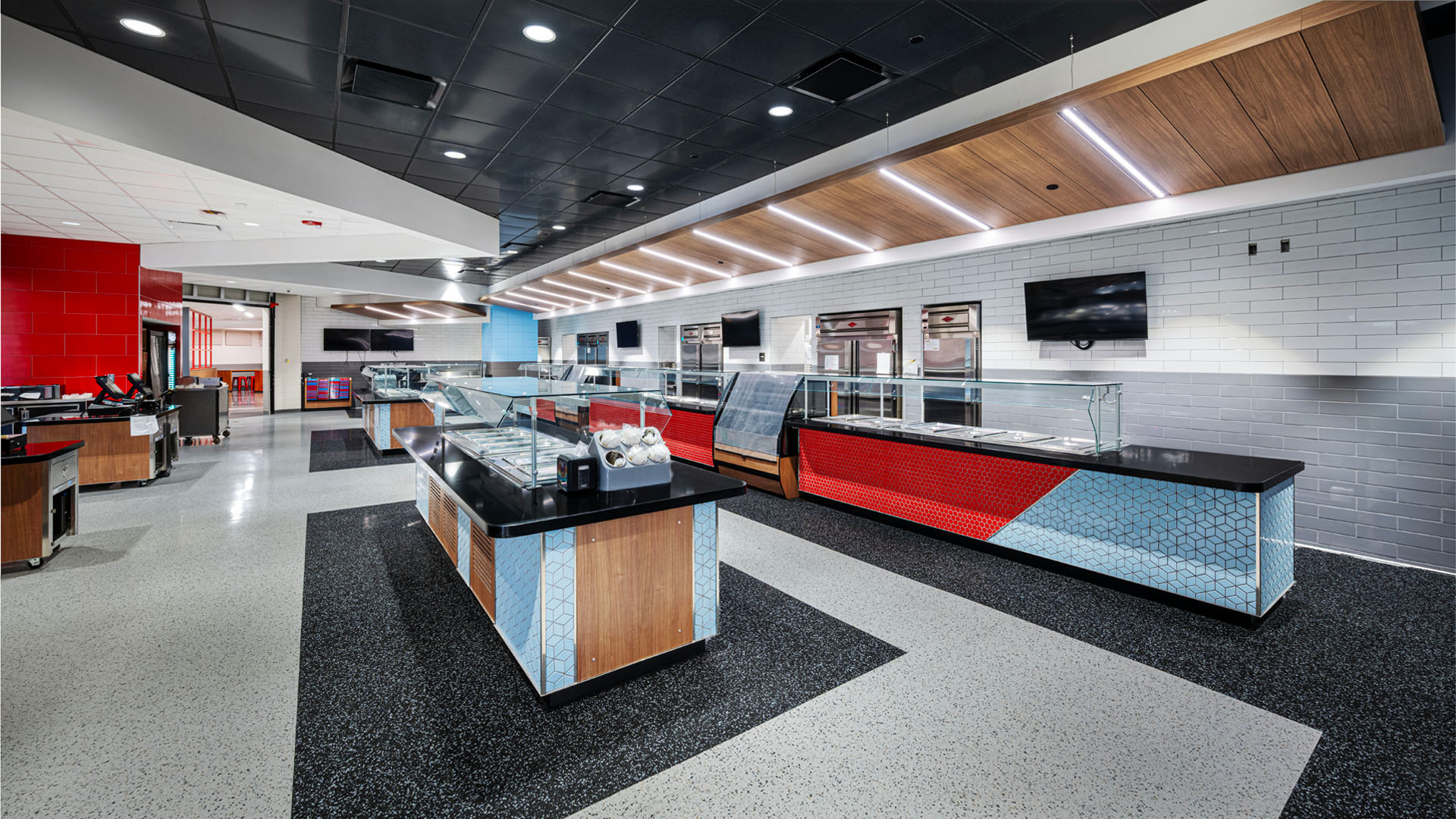
  • Five serving lines keep things moving quickly and give students more time to enjoy their meals instead of waiting in line.
  • The setup feels more like a college dining hall and less like a traditional school lunchroom.
  • The checkout area even includes last-minute options to help students meet USDA requirements (like that ½ cup of fruit or vegetable and at least three of the five food groups).

And from an operations standpoint? Wayne previously served 800 students in four lunch modules. With the new layout, they reduced that to three—and they’re hoping to increase participation in both breakfast and lunch as the updated space supports a wider, more flexible menu.

Final Thoughts

Cafeterias may not always get the spotlight, but they deserve to be part of the conversation when we talk about what it means to support student success. Because when form and function align, schools can serve up something better—for students, for staff, and for the environment.

Every school cafeteria has the potential to be a vibrant, efficient, and welcoming space. If you’re ready to design a smarter, more people-first dining experience, reach out to us and let’s begin reimagining what school dining can be.

Copyright ©2026 Design Collaborative