Search this Site

Close

When we talk about healthy buildings, one of the most influential components is lighting. Lighting affects visual comfort, circadian health, mood, and energy usage.

The great thing is: you don’t need to be a lighting designer to spot the basics. There are five simple cues—rooted in lighting science, the Illuminating Engineering Society (IES), and the WELL Building Standard—that anyone can evaluate in minutes. These cues signal whether a building is positioned for high-performing, comfortable environments or whether hidden costs and complaints may be waiting after move-in.

Let’s walk through five signs to look for.

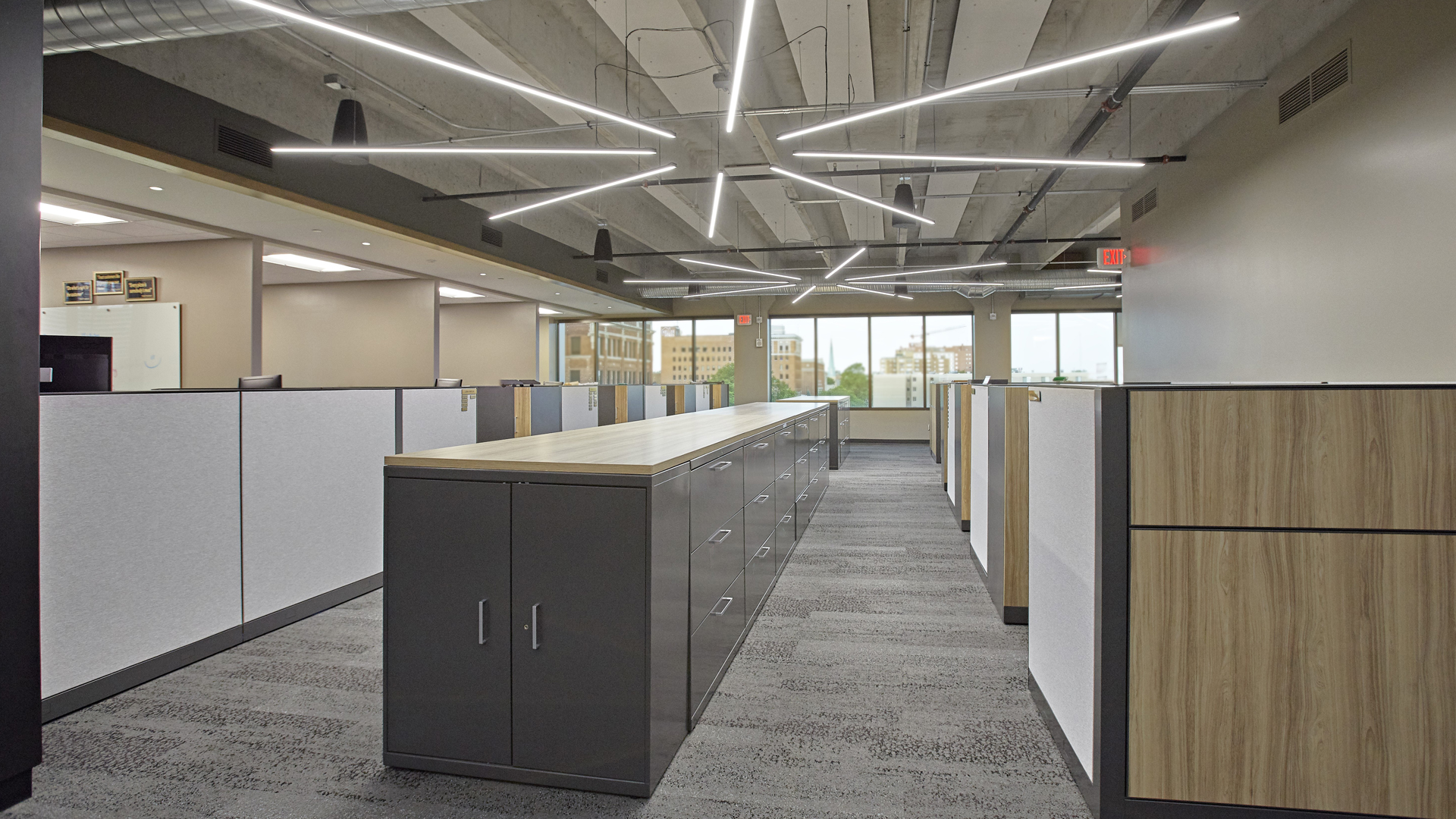
Pizza Hut HQ Open Office

Daylight Access + Daylight Control

Daylight is a major contributor to circadian health and overall alertness. It’s also something people notice the second they walk into a building.

Look for:

  • Adequate daylight penetration. Sometimes called “daylight autonomy,” this is simply the ability for daylight to reach beyond the perimeter windows and into the space.
  • Glazing that manages solar heat gain. Low-E coatings or appropriate tinting keep spaces comfortable without sacrificing brightness.
  • Interior layouts aligned with daylight zones. Furniture and partitions should allow people to actually access daylight, not block it.
  • Operable shading. Shades help prevent excessive luminance contrast—too much brightness can be just as disruptive as too little.

Here’s a simple gut check: if you’re turning on all the lights at noon because the daylight feels harsh or uneven, something in the daylight design isn’t working. Good daylighting isn’t about flooding a space with sun — it’s about creating balanced, usable light.

Glare + Visual Comfort

Glare is one of the most common complaints in commercial buildings. It typically shows up as:

  • Visible LEDs or “high-angle brightness”
  • Hot spots on glossy floors or work surfaces
  • Bare lamps or unshielded pendants
  • Computer screen reflections that make work difficult

Healthy lighting, on the other hand, includes:

  • Fixtures with diffusers or indirect lighting to soften the luminance
  • Good shielding angles to hide the light source
  • Balanced luminance ratios to ward off visual fatigue and glare
  • Smooth, even ceiling illumination to prevent bright patches

Visual comfort is a core requirement in the WELL Building Standard and something people intuitively sense the moment they walk into a building.

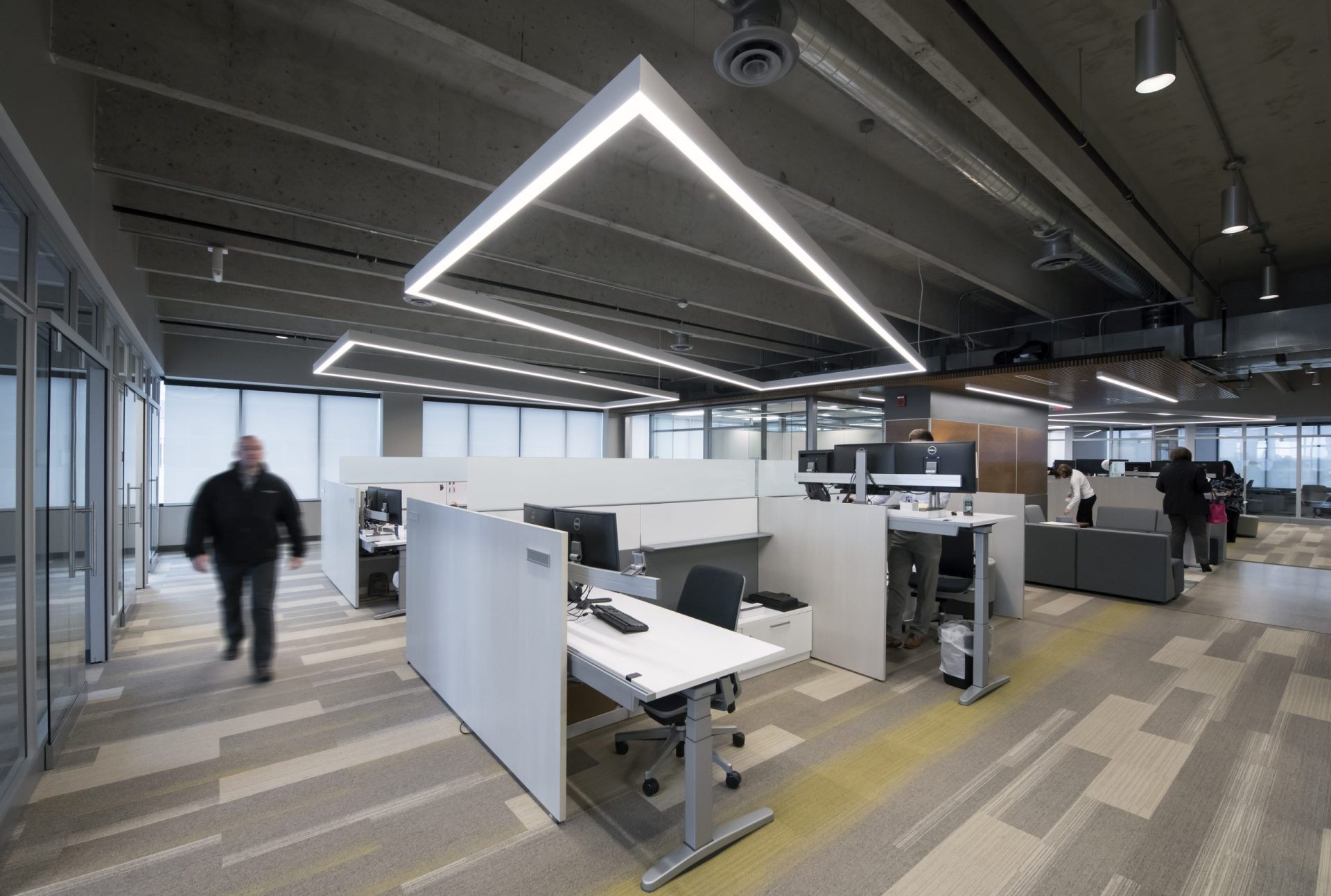
Katz, Sapper, Miller Office Universal Design Height Adjustable Desk

Color Quality + Color Consistency

With LED technology, we can control not only how much light a fixture produces, but also how accurately it renders color. That can dramatically impact the look and feel of a space.

Look for these indicators of healthy color quality:

  • Color Rendering Index (CRI) of 80–90%
    This measures how accurately colors appear compared to natural daylight.
  • Consistent Correlated Color Temperature (CCT) across fixtures
    Most commercial environments perform well in the 3500K–4000K range.
  • No visible mix of warm and cool lamps
    That “patchwork” effect often results from ad-hoc replacements and usually signals a lack of an intentional lighting strategy.

When color quality is off, the whole space suffers — people look tired, finishes look flat, and carefully selected materials lose their impact. Well-coordinated, high-quality LED lighting signals care and intentionality. It reflects a building that’s been designed and maintained with purpose, not patched together over time.

Adaptive Lighting Controls

Healthy buildings rely on lighting that adapts to daylight, occupancy, and the tasks being performed.

Key systems to identify:

  • Occupancy + vacancy sensors
    • Lights turn off automatically when a space isn’t being used.
  • Daylight harvesting
    • Photo sensors reduce electric light when daylight is adequate and increase it as daylight fades.
  • Scheduling controls
    • Prevent wasted overnight lighting, reduce light spill to neighboring properties, and ensure consistent appearance for building users.
  • Multi-level or zoned dimming
    • Allows users to customize their light levels depending on the activity.
  • Tunable white lighting
    • Adjusts color temperature throughout the day, mimicking natural daylight patterns.
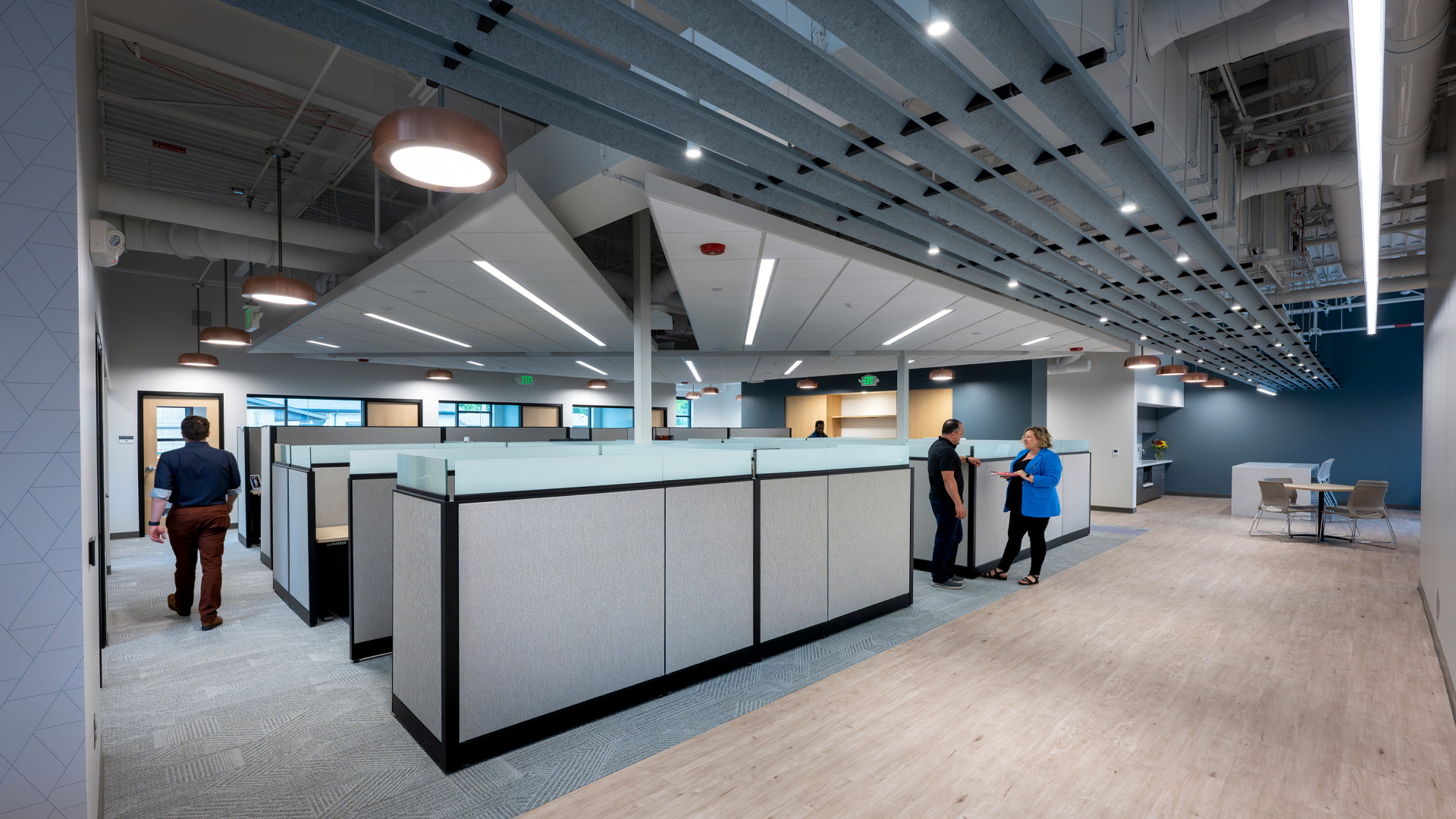
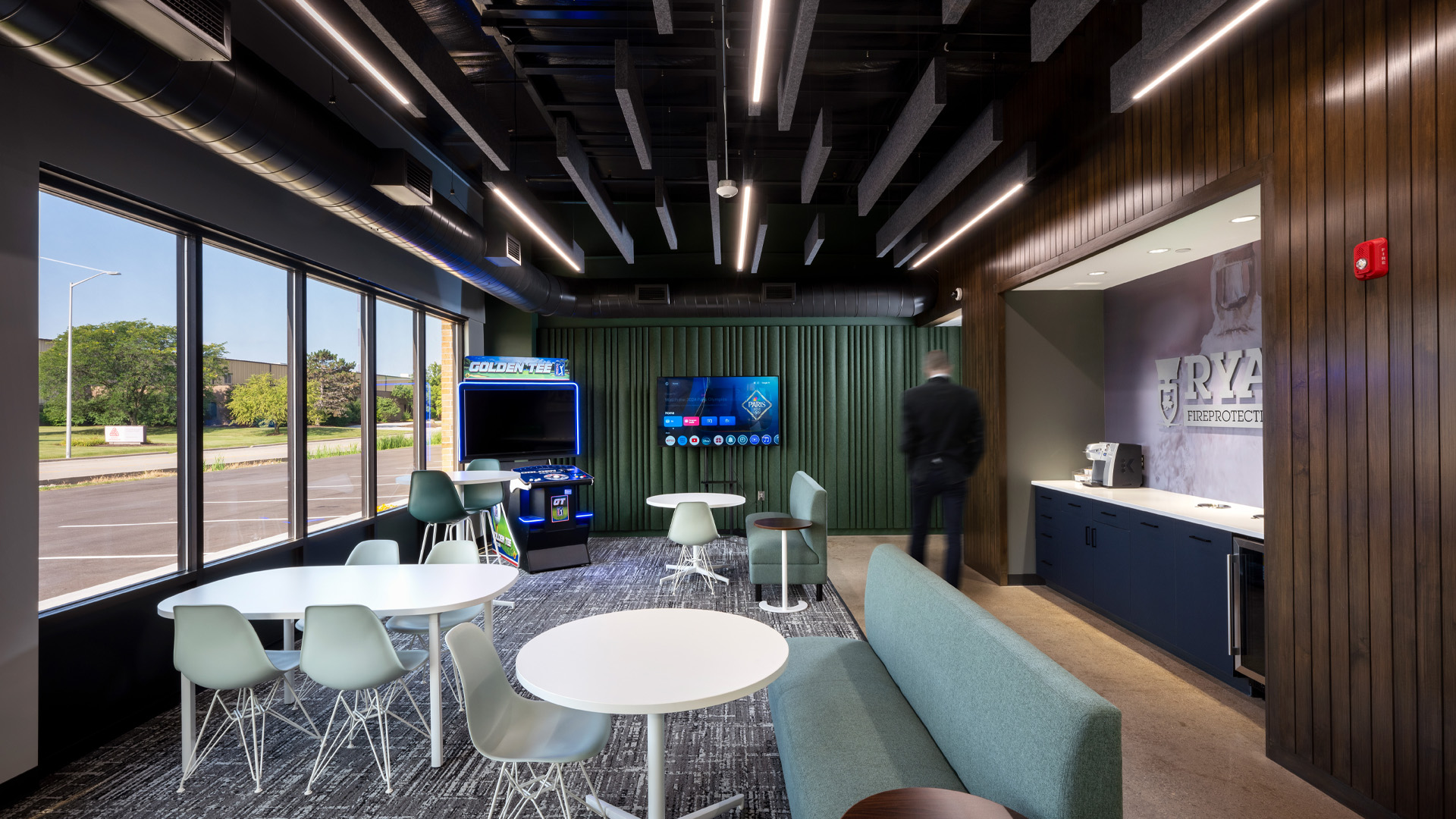
Ryan Fire Protection Break Room

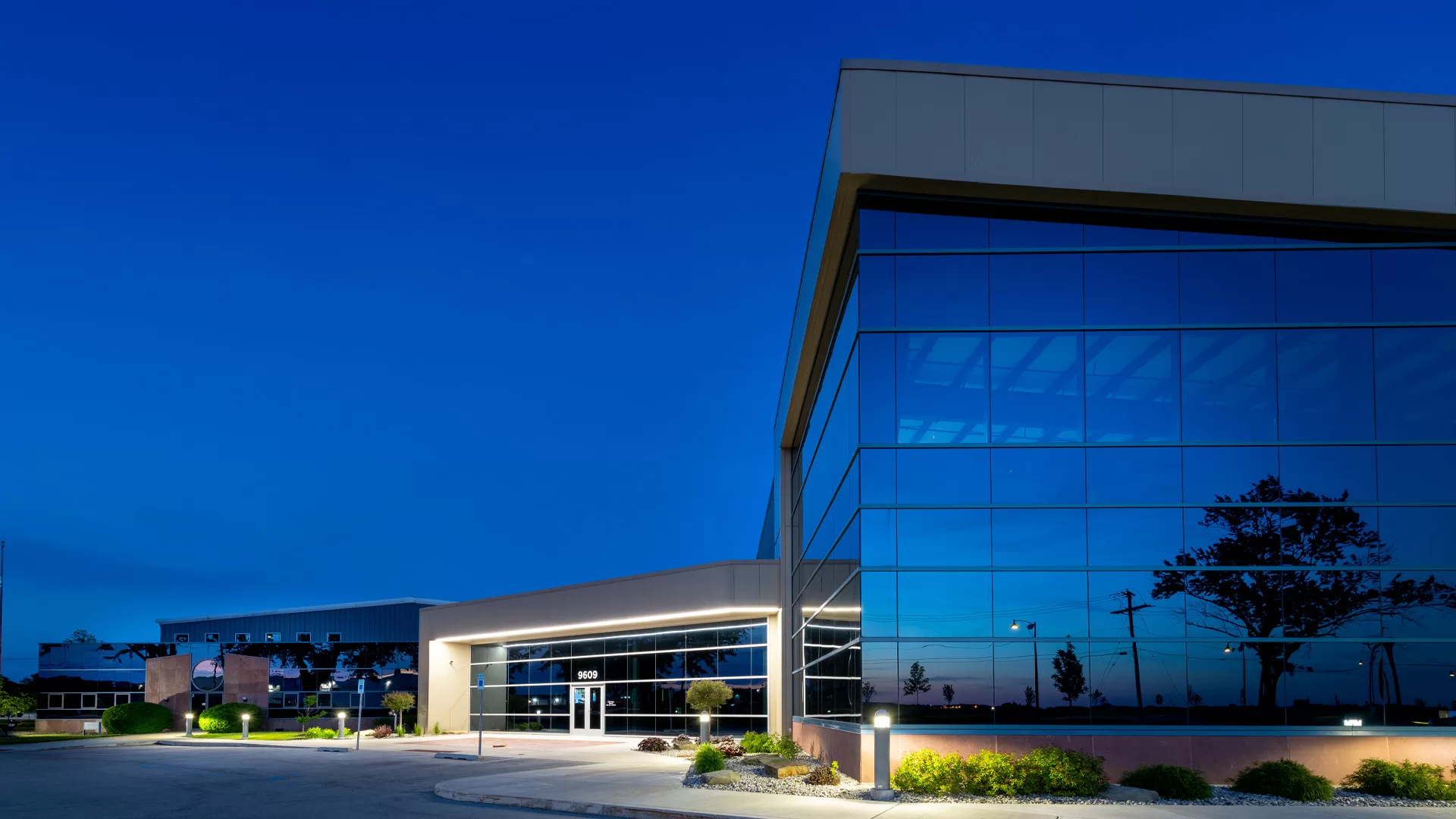
Exterior Lighting Health

Exterior lighting shapes how safe and welcoming your site feels — especially in multifamily, mixed-use, office, and retail environments where people arrive and depart at all hours.

Look for:

  • Appropriate foot-candle or lux levels on walkways and parking areas to support visibility and security
  • Consistent uniformity, avoiding bright hotspots surrounded by dark shadows
  • Optics and shielding that direct light where it’s needed without unnecessary spill
  • Low BUG (Backlight, Uplight, and Glare) ratings to reduce light pollution
  • Minimal interior light spill from after-hours lighting left on indoors

When exterior lighting is poorly designed, it can create glare, contribute to light pollution, disrupt neighboring properties, and even undermine perceived safety. Thoughtful exterior lighting, on the other hand, enhances comfort, reinforces security, respects the surrounding community, and supports sustainable development goals.

Leveraging Lighting Knowledge for Smarter Decisions

You don’t need to memorize these five cues—daylight access, glare management, color quality, adaptive controls, and exterior lighting health—in order to spot them. Once you know what to look for, you can walk into almost any building and quickly evaluate how supportive the lighting is for the people occupying the space.

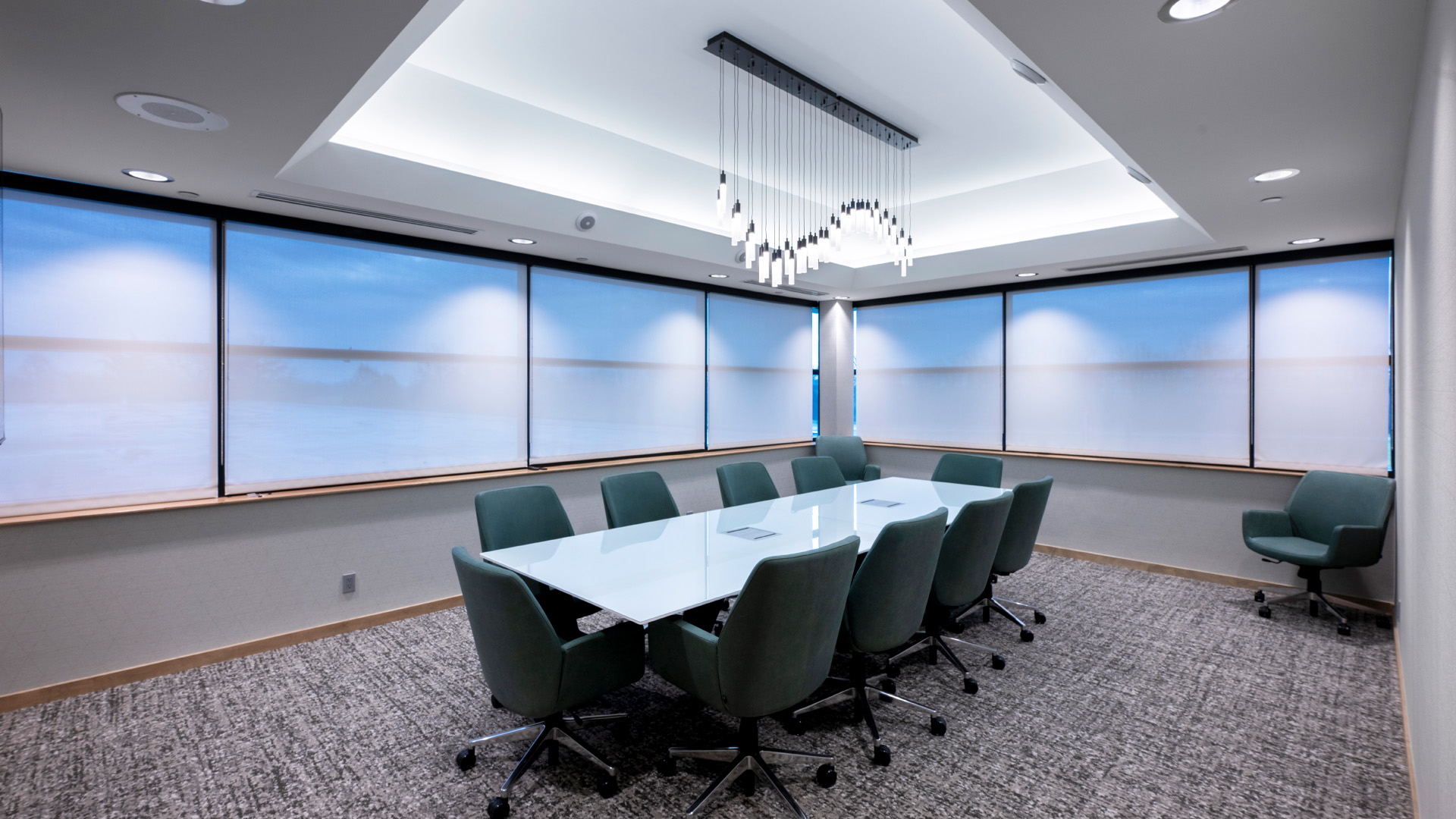
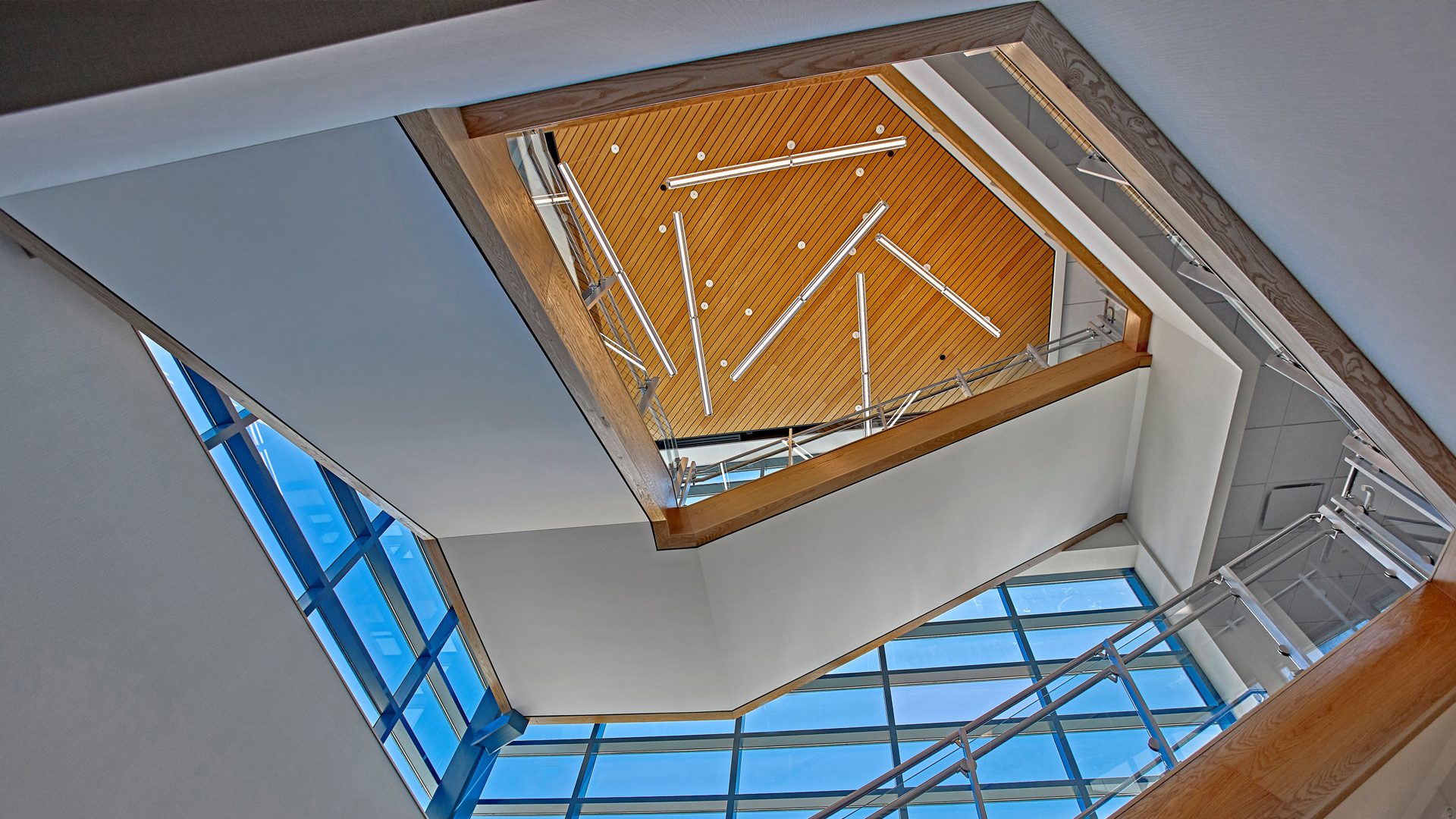
Brotherhood Mutual Insurance - Headquarters lighting design

Ready to see these lighting cues in action? Partner with us to spot and optimize your space’s lighting for comfort, safety, and efficiency. Reach out to get started.

Copyright ©2026 Design Collaborative