Current Remedies
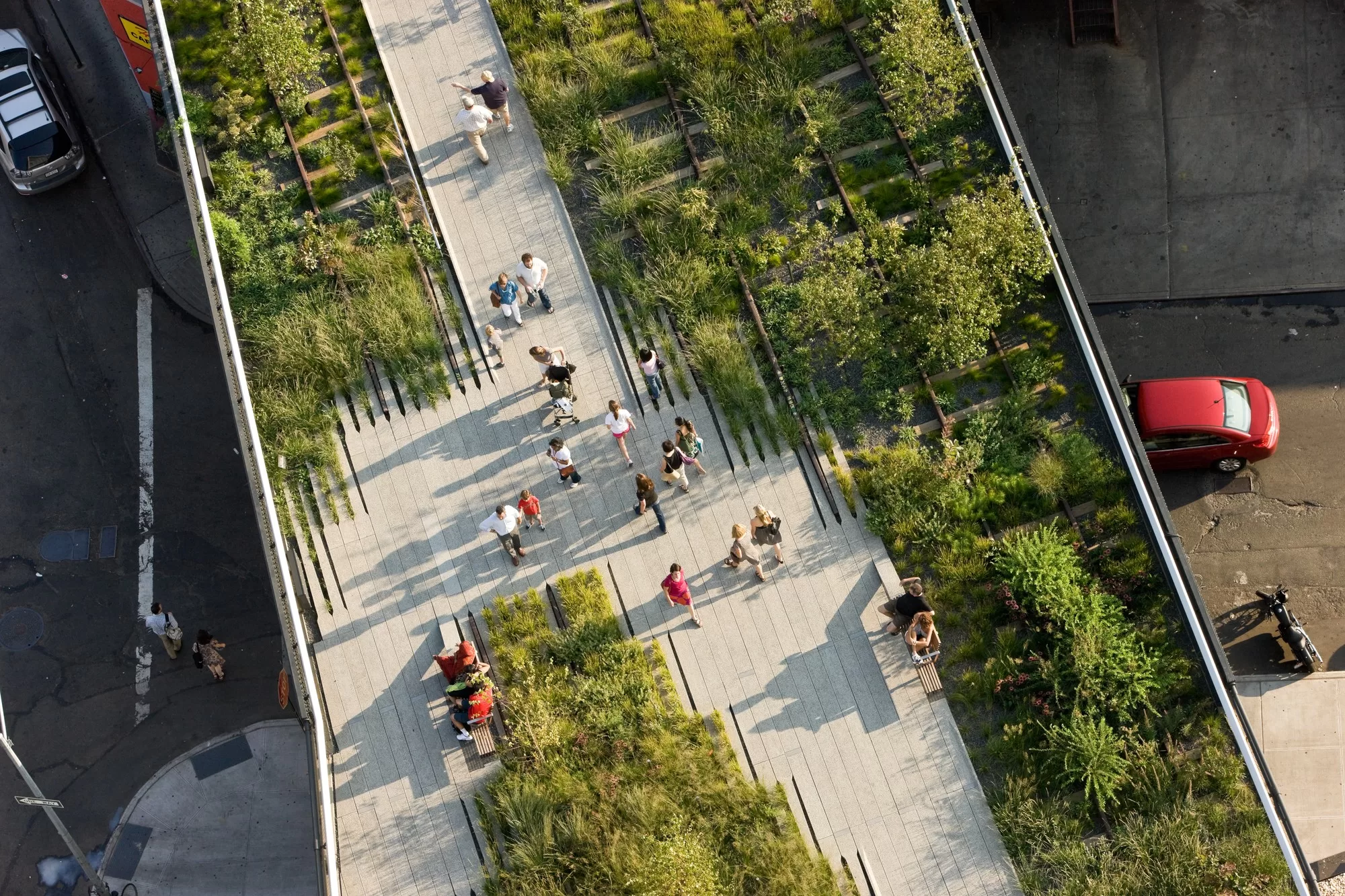
Isolated interventions can only do so much to connect and repair habitats fragmented and destroyed by the built environment. However, the impacts of human activity and the need for green spaces, both for people and the environment, are recognized by many. The following are two methods used to connect people, wildlife, and habitats.
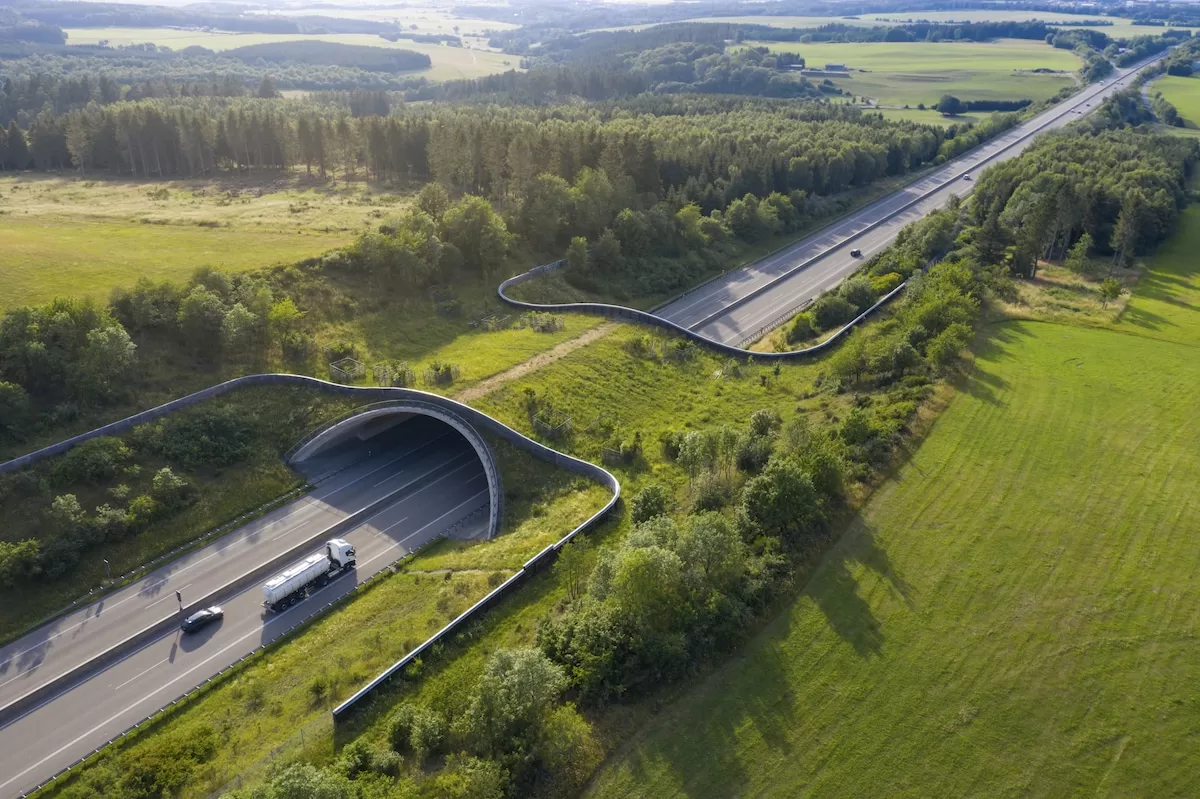
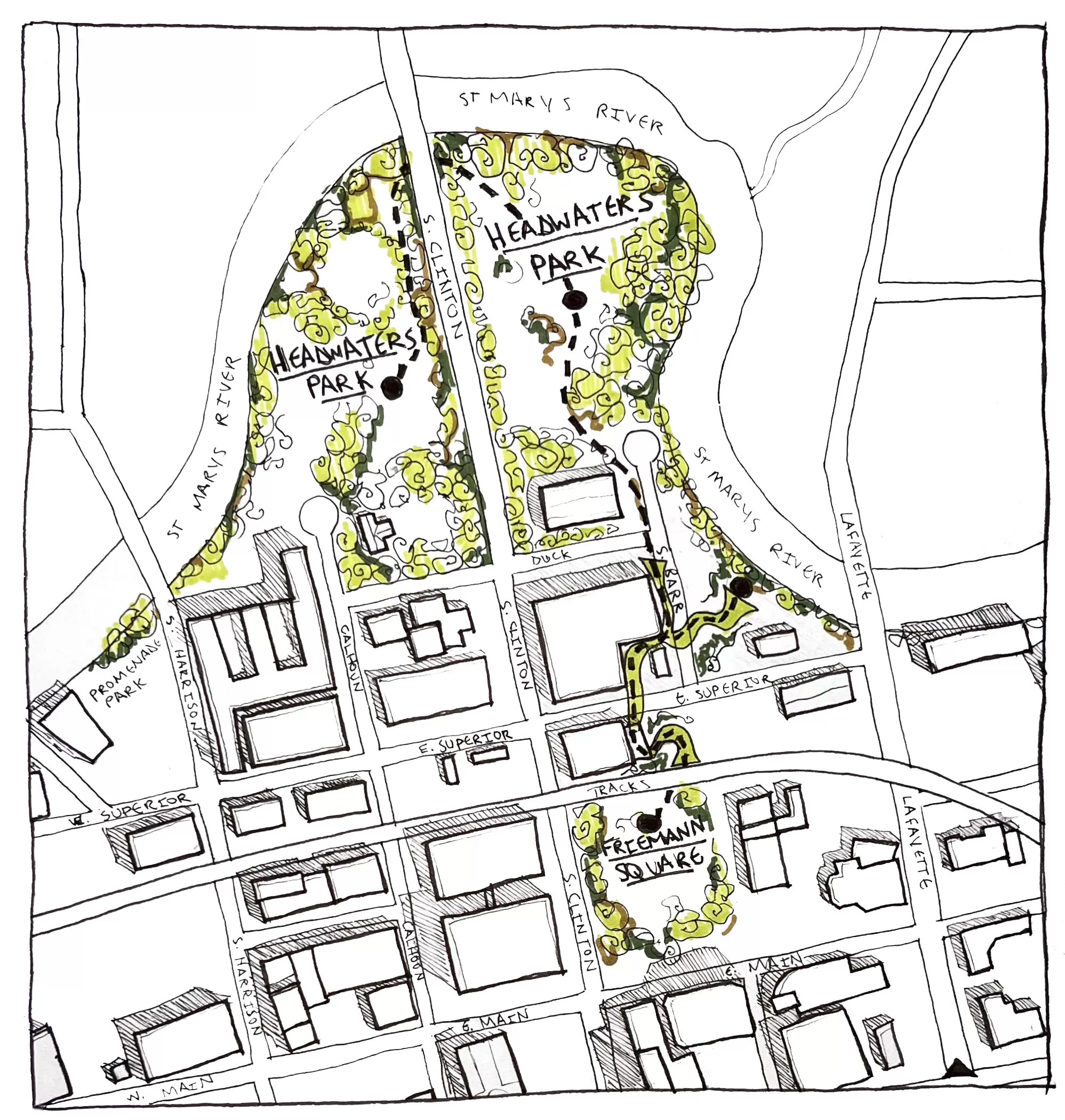
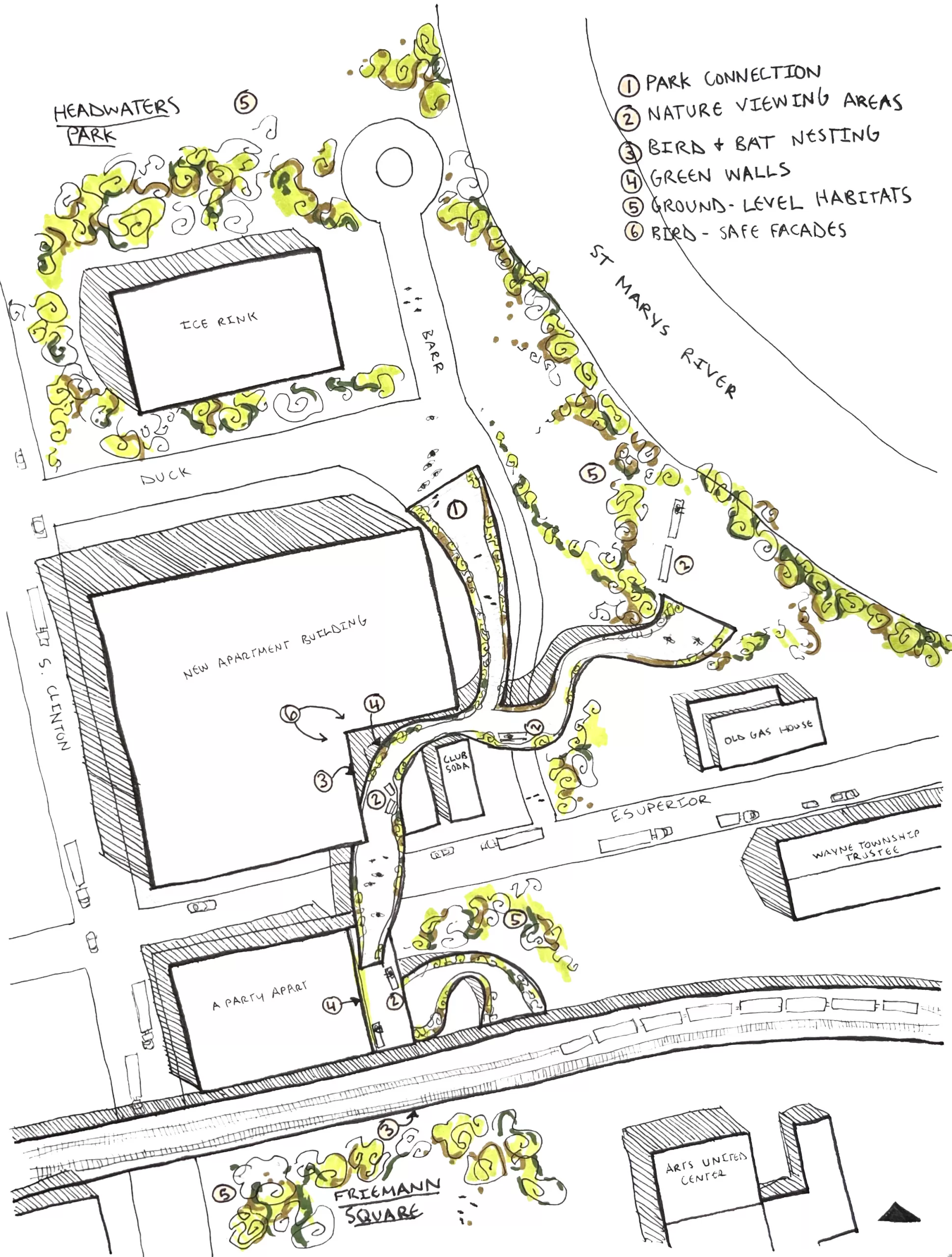
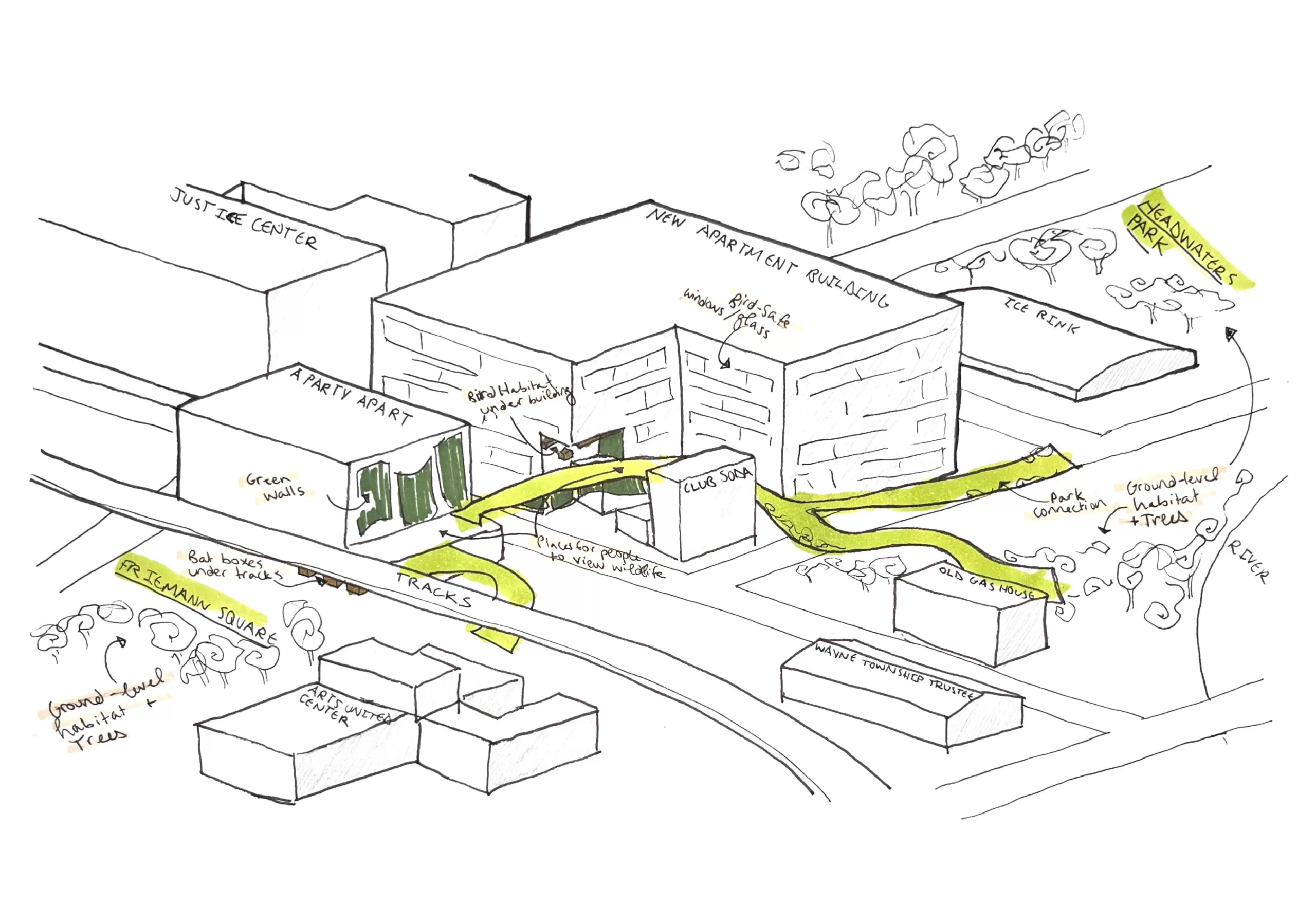
Wildlife corridors are used to connect habitats broken up by roads or buildings. They are more frequently seen in rural areas but are much more difficult to implement in urban areas, where roads cut the landscape every several hundred feet and human presence is heavy. Creating an effective path for wildlife travel in a city involves the collaboration of many disciplines, property owners, and government departments.
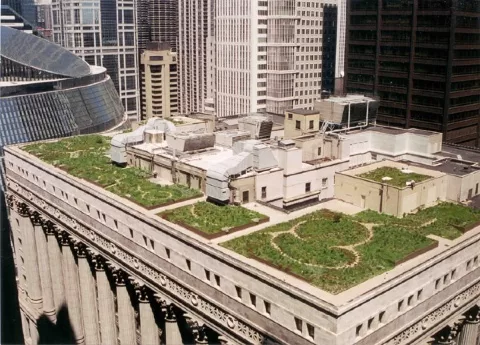
Green roofs can also integrate nature and the built environment, but they do have consequences and unknowns. One danger is creating an isolated habitat that becomes an ecological trap – a space that seems attractive to wildlife but is not actually ideal for survival. It is hard to determine whether green roofs are effective in connecting habitat fragments in built-up areas and whether they can be equal to ground-level habitats in their quality and ability to support biodiversity.
Image 1: Wildlife Corridor
Image 2: Green Roof